

Single Channel Equalizers


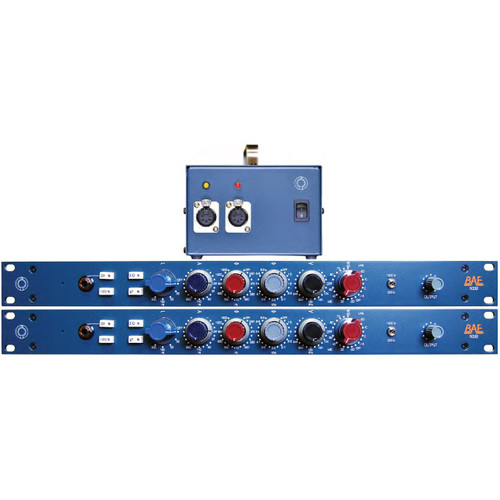
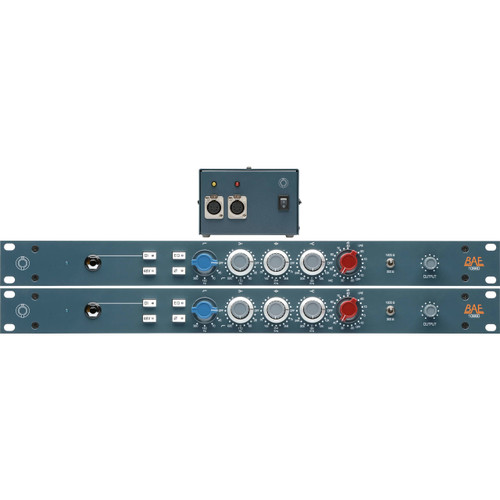


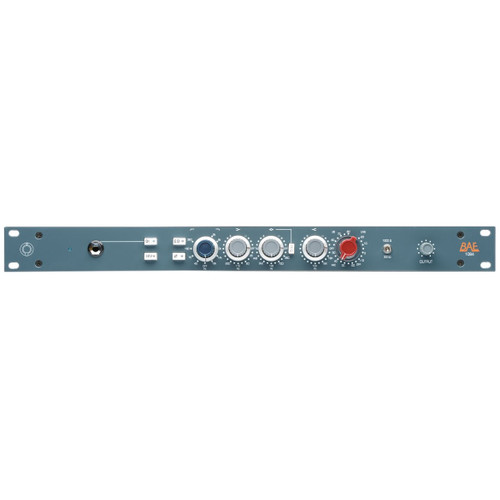


Single Channel Equalizers at Front End Audio
Single Channel Equalizers give engineers dedicated control over the tone of one source at a time, making them a natural fit for vocals, drums, bass, guitars, keyboards and other individual tracks during recording or mixing. Front End Audio carries standalone analog EQs as well as preamp-and-EQ designs that can become the tonal center of a complete recording chain. Some are built for precise frequency shaping, while others are chosen specifically because the circuit, transformers, tubes or filter curves bring a recognizable character of their own. If you want hardware that can shape one source before it reaches the converter or give an important track another pass through analog processing during the mix, a single-channel EQ is one of the most direct tools for the job. You can also explore our complete selection of Equalizers when comparing mono, stereo and modular EQ formats.
Choosing the Best Single Channel EQ for Vocals and Instruments
The best Single Channel EQ depends on what you are trying to accomplish with the source. A vocal may need a little low-mid cleanup, presence or top-end air, while a kick drum might need more control over weight, attack and unwanted resonance. Guitar, bass and acoustic instruments can each call for a different balance between surgical control and broad musical shaping. Fully parametric equalizers are useful when you need to choose the exact frequency and bandwidth being adjusted, while fixed-frequency and program-style EQs often encourage faster, broader moves that can be very musical during tracking. It is worth choosing the EQ around the material you work with most often rather than simply looking for the processor with the greatest number of bands and controls.
Parametric EQ vs. Program EQ for Tracking and Mixing
Parametric and program-style equalizers can both be excellent studio tools, but they encourage different ways of working. A parametric EQ gives you detailed control over frequency, gain and bandwidth, making it a strong choice for isolating resonances, correcting troublesome areas or making more deliberate tonal changes. Program and passive-style designs generally offer broader curves and a smaller set of carefully chosen frequencies, which can make them particularly satisfying when you want to add weight, presence or air without spending much time searching for the exact center frequency. Neither approach is inherently better. Many experienced engineers keep both available because a precise EQ and a broad musical EQ solve different problems. That same choice exists across our wider Hardware Equalizer selection, where circuit topology and workflow can matter just as much as the number of available bands.
Hardware EQ for Vocals, Drums, Bass and Guitar
One of the advantages of a hardware EQ is being able to shape the source at a specific point in the analog signal chain. During tracking, an EQ can follow a Microphone Preamp to make intentional tonal decisions before conversion, whether that means clearing unnecessary low end from a vocal, emphasizing the attack of a drum or giving an instrument more space in the arrangement. During mixing, spare interface outputs and inputs can bring recorded tracks back through the same hardware for another layer of analog processing. A Compressor can also be placed before or after the EQ depending on whether you want the dynamics processor to react to the original tonal balance or the equalized signal. There is no universal processing order—the useful question is how each stage affects the next one and whether that interaction gets you closer to the sound you want.
Classic Preamp and EQ Designs for a Complete Recording Front End
Many popular single-channel equalizers are closely tied to classic microphone-preamp designs, giving engineers gain and tone shaping within one analog signal path. BAE and Warm Audio are particularly relevant examples in Front End Audio's current assortment, with several preamp-and-EQ models built around the kind of British console-style workflow that has remained popular for recording vocals, drums and instruments. Heritage Audio also has substantial representation in this part of the category, offering both integrated recording channels and dedicated EQ options. If you prefer several stages of processing in a single chassis, our Channel Strips take that concept further by combining preamplification, EQ and, depending on the design, additional dynamics or signal processing.
Single Channel EQ vs. Stereo EQ: Which Does Your Studio Need?
A single-channel EQ makes the most sense when the work is centered on individual mono sources, while stereo and dual-channel equalizers become more convenient for stereo microphone pairs, instrument buses, drum groups, mix buses and mastering applications. That does not mean a mono EQ is limited to tracking; engineers frequently use individual hardware processors on important mix elements where one channel is all that is required. If most of your hardware processing involves stereo material, however, matched controls or a dedicated Dual Channel Equalizer can make the workflow much easier. Studios built around modular hardware can also explore 500-Series Equalizers when rack space, flexibility and mixing different EQ designs within one chassis are priorities.
Find the Right Single Channel Equalizer for Your Signal Chain
A good equalizer earns its place in the rack because you know what it brings to a source and can reach for it with purpose. Consider whether you need detailed parametric control or broader musical curves, whether you want the processor to remain relatively transparent or contribute obvious analog character, and whether an integrated preamp-and-EQ design would be more useful than a dedicated equalizer. The sources you record most often should guide the decision. Front End Audio has been helping recording engineers choose professional analog gear since 2003, and our non-commissioned team can help you compare different EQ topologies, recording chains and hardware formats without simply steering you toward the most expensive option. If you are trying to find the right EQ for a vocal chain, instrument setup or hybrid mixing rack, call us at 888-228-4530 and we'll help you narrow it down.

 Sign Up for exclusive sales and offers!