Connectors
Audio Connectors at Front End Audio
Audio Connectors and adapters solve the small but critical connection problems that show up when professional studio gear does not quite match the wiring already in place. Front End Audio carries connectors and adapters for custom cable builds, microphone systems, DB25 wiring and other studio applications where the correct plug, socket or format matters. Whether you are repairing an existing connection, adapting a microphone to a wireless transmitter or putting together a more permanent studio installation, the first step is identifying the exact connector and signal requirements of the equipment. A connector that physically fits is not always electrically or mechanically correct for the job, so taking a minute to confirm the format can save a lot of frustration later.
Choosing the Right Audio Connector for Studio and Recording Gear
The right audio connector depends on both the signal and the equipment being connected. XLR is common throughout professional microphone and balanced line-level systems, while 1/4-inch TRS and TS connectors cover balanced studio connections, instrument-level signals and other applications depending on how the jack is wired. DB25 connectors are widely used when several channels need to be carried through one compact connection, particularly between Audio Interfaces, converters, Patchbays and outboard equipment. The connector is only part of the equation, though. Pinout, gender, balanced or unbalanced operation and the signal format all need to match the device, especially when building or repairing custom studio cables.
XLR and TRS Connectors for Professional Audio Cabling
XLR and TRS connectors are two of the most common connection types in recording studios, but they are used across several different signal paths. Three-pin XLR connectors are standard on most professional Microphones, microphone preamps and balanced line-level equipment, while 1/4-inch TRS connectors frequently appear on interfaces, mixers, monitor controllers and analog processors. TS connectors use the same basic quarter-inch form factor but are typically associated with unbalanced instrument and speaker applications. When repairing or building a cable, make sure the connector matches not only the jack but also the wiring and signal type. This is particularly important with TRS because the same physical connector can be used for balanced mono, stereo or insert-style applications depending on the equipment.
DB25 Connectors for Multi-Channel Studio Wiring
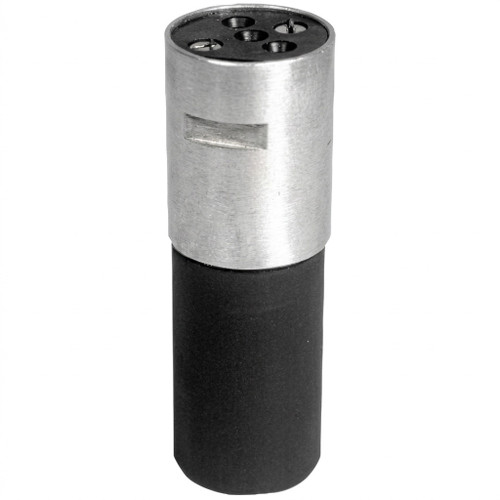
DB25 connectors are a practical way to consolidate multiple channels of audio into a single connection, which is why they are common on interfaces, converters, patchbays and other high-channel-count studio hardware. Front End Audio currently carries the Redco Audio DB25 Mult Plug for custom cable and installation work, making Redco a purposeful example in this category rather than simply another brand mention. If you are building a complete multi-channel connection rather than assembling one yourself, our D-Sub Snakes category includes finished DB25-to-DB25, DB25-to-XLR and DB25-to-TRS cable assemblies. As always with DB25, confirm the pinout and audio format of both pieces of equipment before assuming that two matching connectors are automatically compatible.
Microphone Adapters for Wireless and Specialty Mic Connections
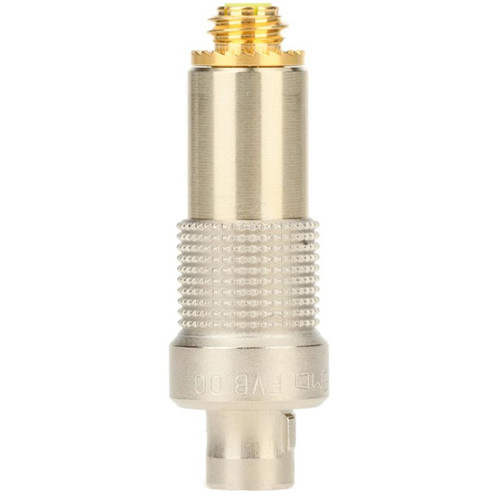
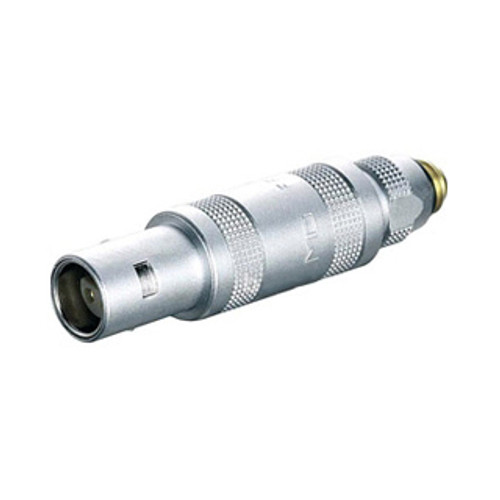
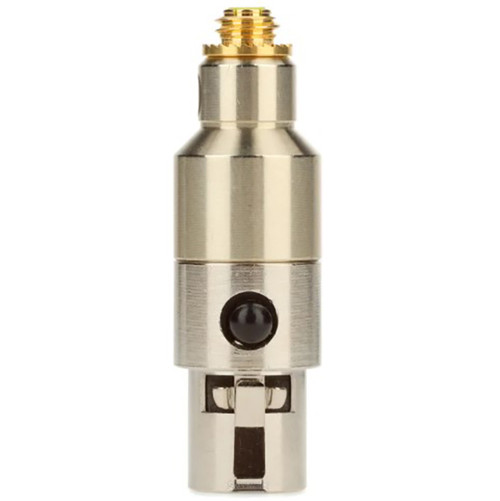
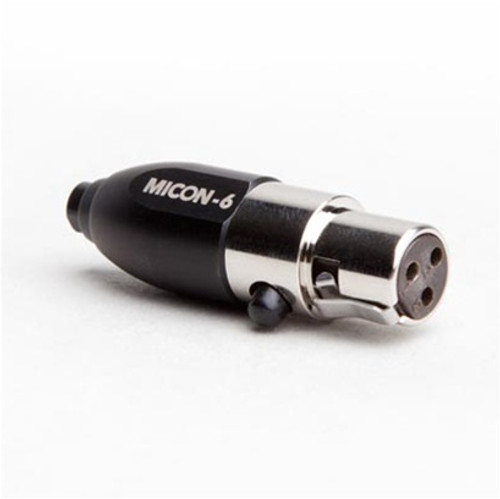
Microphone systems often use smaller proprietary or manufacturer-specific connectors that require the correct adapter when moving between microphones, transmitters and other equipment. Front End Audio's current Audio Connectors assortment includes a substantial range of adapters from DPA, with MicroLock adapters for XLR, mini-jack, TA4F Mini-XLR and 3-pin LEMO connections among the available options. These adapters are particularly useful with professional lavalier, headset and wireless microphone systems where the microphone itself may be compatible with several transmitter platforms once the correct termination is used. RØDE MiCon adapters serve a similar purpose within the RØDE microphone ecosystem, giving users a way to match compatible microphones to different wireless and wired connections.
Audio Adapters vs. Dedicated Cables: Which Is Better?
An adapter is a useful solution when you need to change a connector format without replacing an entire cable, but it is not always the best answer for a permanent studio installation. Every additional connection adds another mechanical junction that can be pulled, stepped on or accidentally disconnected, so a dedicated Interconnect Cable with the correct connectors on both ends is often cleaner when the route will remain in place. Adapters make more sense when compatibility changes from session to session, when a microphone needs to work with several transmitter systems or when you are solving a specialized connection that does not justify a custom cable. The best approach is the one that gives you a reliable connection without adding unnecessary complexity to the signal path.
Getting the Right Connector or Adapter for Your Audio Gear
Connector questions are often harder than they look because manufacturers can use similar plugs for very different purposes. Before ordering, identify the connector type, gender, pin count, wiring standard and the equipment on both sides of the connection. This is especially important with wireless microphones and specialty adapters where compatibility may depend on the exact transmitter or microphone model rather than simply the shape of the plug. Front End Audio has been helping studios and production facilities solve these kinds of connection problems since 2003, and our non-commissioned team is happy to help you work through the details. If you are not sure which connector or adapter your equipment requires, call us at 888-228-4530 and we can help confirm the connection before you order.

Sign Up for exclusive sales and offers!