

Room Correction








Room Correction & Monitor Calibration at Front End Audio
Room Correction and Monitor Calibration systems help recording, mixing and mastering engineers get a more reliable picture of what their Studio Monitors are actually producing at the listening position. Front End Audio carries solutions ranging from software-based calibration and measurement systems to dedicated hardware processors, monitor alignment tools and measurement microphones. By analyzing the interaction between your speakers and room, these systems can help identify response problems and apply targeted correction so you can make more confident decisions about frequency balance, stereo imaging and mix translation.
What Does Room Correction Do?
Every listening room influences the sound reaching the engineer, with speaker placement, walls, furniture and room dimensions contributing to peaks, dips and timing differences at the listening position. Room Correction systems typically use a calibrated measurement microphone and analysis software to measure that response and create a correction profile for the monitoring system. Depending on the platform, that correction may be applied through software, a dedicated hardware processor or DSP built directly into compatible Studio Monitors. The goal is not to make every room perfectly flat, but to create a more predictable monitoring reference for critical recording, mixing and mastering decisions.
Room Correction vs. Acoustic Treatment
Room Correction and Acoustic Treatment address different parts of the monitoring problem and work best as complementary tools. Acoustic Treatment physically controls reflections, low-frequency buildup and decay within the room using absorption, bass trapping, diffusion and other techniques, while Room Correction measures the remaining response at the listening position and applies electronic compensation where appropriate. Calibration cannot eliminate excessive reverberation or physically change how sound behaves in the room, so proper speaker placement and acoustic treatment should remain the foundation of a critical listening environment before electronic correction is applied.
Measurement Microphones and Monitor Calibration
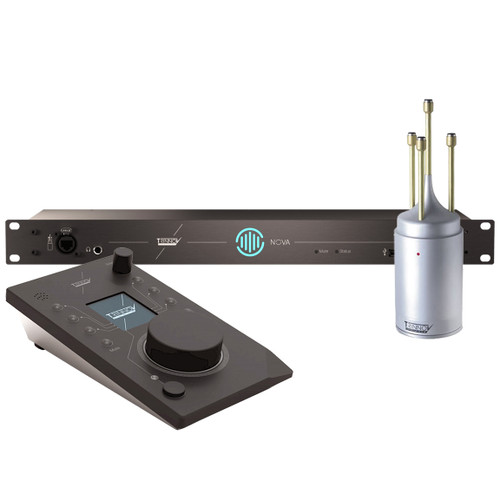
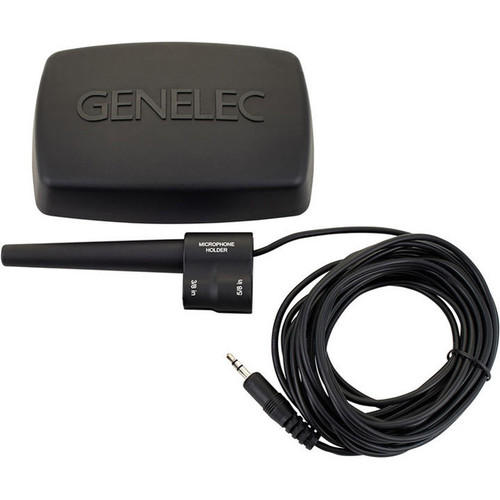
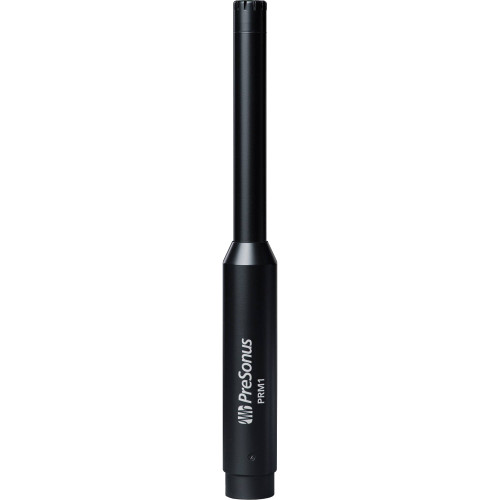
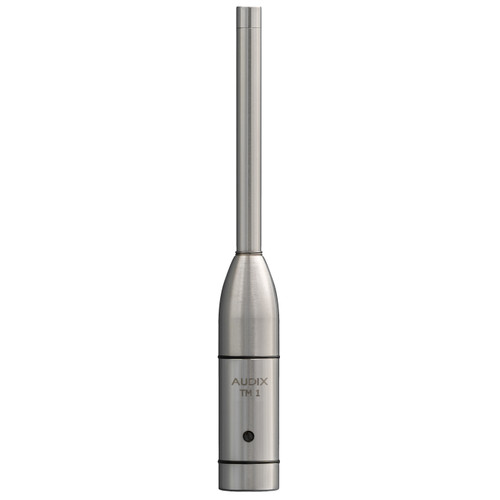
A measurement microphone provides the system with an accurate reference for analyzing how the speakers behave in the room. Many Room Correction platforms include a calibrated microphone, while more advanced systems may use dedicated measurement microphones or proprietary multi-capsule designs to capture additional spatial information. The calibration process typically measures one or more listening positions before software analyzes the results and generates a correction profile. Some systems focus primarily on frequency response, while more advanced room optimization platforms may also address timing, phase, speaker alignment and other aspects of the monitoring system.
Software and Hardware Room Correction Systems
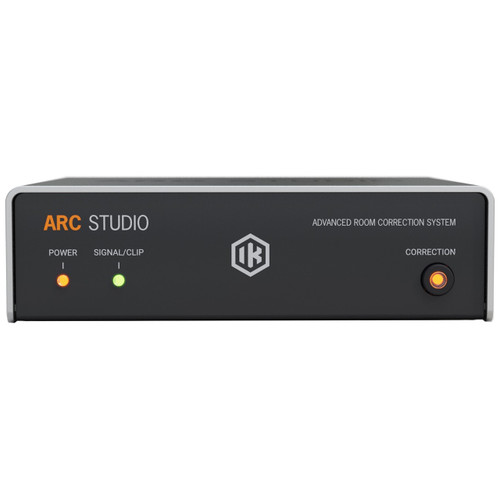
Room Correction is available in several formats, and the right approach depends on the studio and workflow. Software-based systems can apply correction directly from the computer and are often a practical choice for project studios and personal mixing environments. Dedicated hardware processors can place correction outside the DAW so the calibrated monitoring path remains active regardless of the application being used, while some modern Studio Monitors include DSP that works with manufacturer-specific calibration software and measurement microphones. Professional room optimization systems can extend this further with advanced speaker alignment, bass management, multi-channel monitoring and immersive audio support.
Room Correction for Mixing and Mastering
Mixing and mastering engineers depend on consistent monitoring because even small errors in the listening environment can influence decisions about EQ, low-frequency balance, stereo placement and overall tonal shape. A properly configured Room Correction system can help reduce the influence of predictable monitoring errors, making it easier to judge whether a problem exists in the mix or is being introduced by the room. Calibration is especially useful when working in compact studios, unconventional control rooms or spaces where acoustic treatment and speaker placement alone cannot fully address the response at the listening position.
Build a Complete Calibrated Monitoring System
Room Correction works best when the rest of the monitoring system is properly chosen and set up. Start with Studio Monitors that fit the size of the room and listening distance, use Acoustic Treatment to address reflections and low-frequency problems physically, and then apply Room Correction or Monitor Calibration to refine the response at the listening position. A Monitor Controller can provide centralized level, source and speaker management when the studio uses multiple monitoring systems. Treating the room, speakers and calibration process as one system gives you a more dependable reference for recording, mixing and mastering.

 Sign Up for exclusive sales and offers!