

Monitoring Systems







Personal Monitoring Systems at Front End Audio
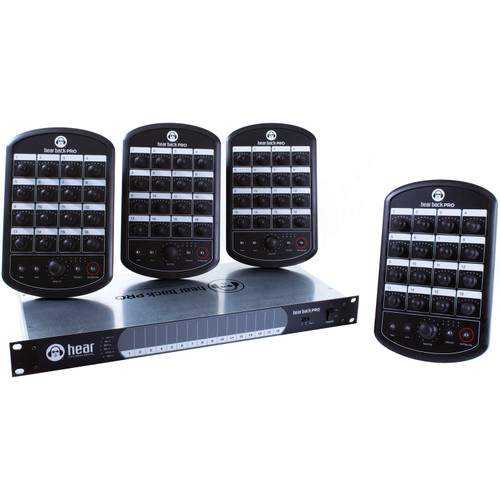
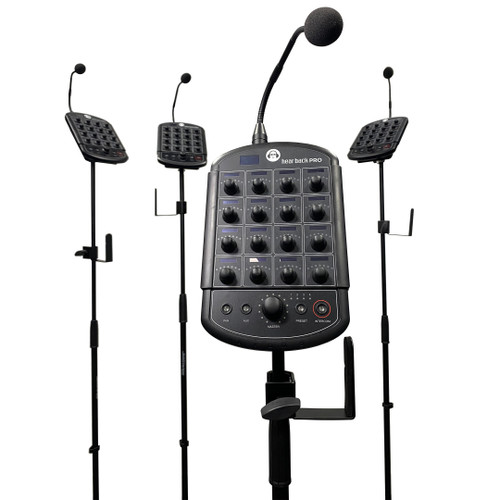
Personal Monitoring Systems give musicians control over what they hear while recording or performing, making it easier for each person to create a cue mix that supports the way they play. Front End Audio carries personal monitor mixers, headphone cue systems and multi-channel monitoring solutions for recording studios, rehearsal spaces and live performance. Instead of forcing every performer to work from the same headphone mix, a personal monitoring system can provide individual access to vocals, instruments, click tracks and other sources so musicians can build a comfortable balance without constantly asking the engineer for changes.
What Is a Personal Monitoring System?
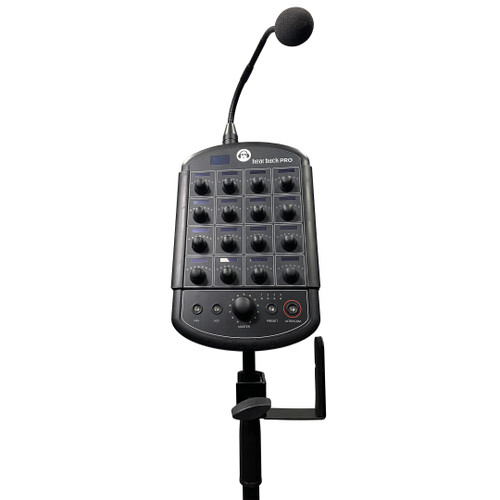
A Personal Monitoring System distributes multiple audio sources to individual performers and allows each musician to control their own monitor mix. Depending on the system, an engineer may send stems such as drums, bass, guitars, keyboards, vocals and click tracks to personal mixers located at each performer position. Musicians can then adjust the level or balance of those sources locally while the control room continues working with the main recording session. Personal Monitor Mixers are commonly used with Studio Headphones and in-ear monitors, giving performers direct control over the mix they hear without changing the recorded signal.
Personal Monitor Mixers for Studio Tracking
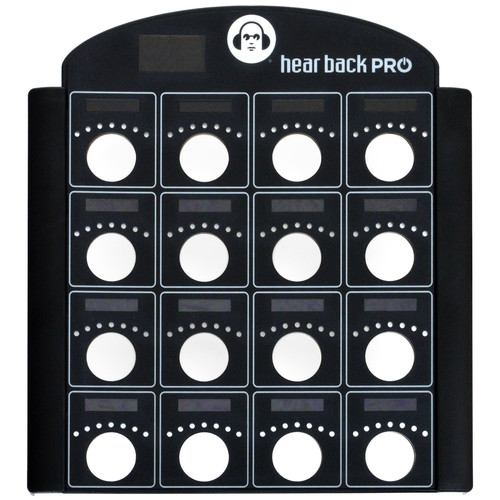
Personal Monitor Mixers are especially useful when recording full bands or sessions with several musicians at once. A vocalist may want more of their own voice, a drummer may need a louder click track and a guitarist may want additional drums or bass in the cue mix. Giving each performer control over those balances can reduce interruptions during a session and take some of the cue-mix workload away from the engineer. Depending on the system, personal mixers may provide channel level, pan, stereo grouping, master volume and other controls that allow each musician to create a monitoring balance that makes sense from their position in the room.
Cue Monitoring and Headphone Distribution
Cue monitoring systems can range from straightforward headphone distribution to networked systems that deliver multiple channels of audio to individual personal mixers. A traditional Headphone Amplifier is often the right solution when several musicians can work from the same stereo cue mix, while a Personal Monitoring System becomes more useful when performers need independent control over individual instruments and sources. Choosing between the two approaches depends on the number of musicians, how many different mixes are required and how much control each performer needs during the session.
Choosing a Personal Monitoring System
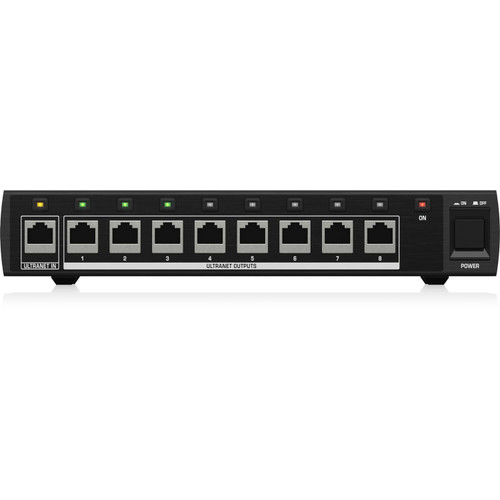
The right Personal Monitoring System depends on channel count, the number of performers and how audio will be distributed around the studio or stage. Some systems use dedicated hubs to distribute multiple channels to personal mixers, while others can be integrated through digital or network audio connections. Consider how many source channels each performer needs, how many personal mixers the system must support, the available cabling and whether the system will be permanently installed or moved between sessions. Expansion is also important for growing studios, since the ability to add more performer stations can prevent the entire cue system from needing to be replaced as session requirements change.
Personal Monitoring for Headphones and In-Ear Monitors
Personal cue systems can support both traditional studio headphones and in-ear monitoring workflows. In the studio, performers often connect Studio Headphones directly to a personal mixer or headphone output located near their position, reducing the need for long headphone cable runs back to the control room. Systems designed for live performance may also feed wired or wireless in-ear monitor systems, allowing musicians to use the same personalized-mix concept on stage. In either application, the goal is to give performers a clear and controllable monitoring environment that helps them stay comfortable and focused on the performance.
Build a Complete Studio Cue Monitoring System
A Personal Monitoring System works best when it is planned around the entire recording and cue path. An Audio Interface or other studio routing system provides the outputs and source channels needed to create performer mixes, while Studio Headphones provide the listening end of the signal chain. Studios that only need to distribute one or two shared cue mixes may be better served by dedicated Headphone Amplifiers, while larger tracking rooms can use Personal Monitor Mixers to give individual musicians more control. Choosing the distribution, mixing and headphone stages together makes it easier to build a cue system that fits the number of performers and the way sessions are actually run.

 Sign Up for exclusive sales and offers!