

Bass Traps





Bass Traps at Front End Audio
Bass Traps address one of the toughest acoustic problems in recording, mixing and mastering rooms: low-frequency buildup that makes it difficult to judge what is really happening in the bottom end. Front End Audio carries professional bass traps for home studios, project rooms and commercial facilities, with corner-mounted, panel-style and broader low-frequency treatment options for different room layouts. When bass response changes dramatically as you move around the room, kick and bass decisions can become much harder to trust, and simply turning the monitors down does not correct what the room itself is doing. Bass trapping is therefore an important part of a complete Acoustic Treatment plan, particularly in smaller control rooms where low-frequency behavior can dominate the listening experience.
Choosing the Best Bass Traps for a Recording Studio
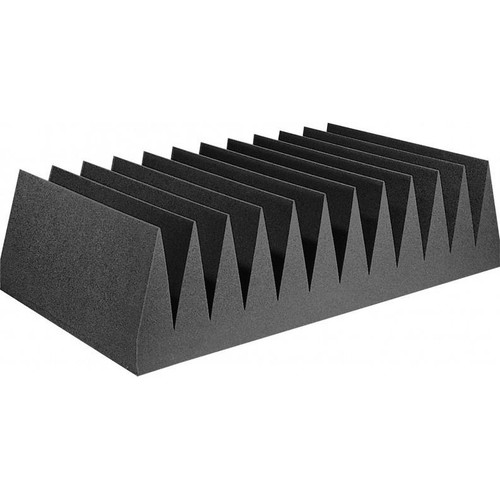
The best Bass Traps for a recording studio depend on the room dimensions, monitor placement, listening position and the frequencies that are causing the most trouble. Smaller rooms often need more low-frequency control than people initially expect because room modes can create pronounced peaks and nulls around the listening area. Corner traps are a common starting point because room boundaries and corners are useful locations for substantial low-frequency absorption, but they are not the only option. Thicker broadband panels and purpose-built bass absorbers can also become part of the treatment plan depending on the space. Rather than buying treatment simply to fill wall space, we recommend thinking about the room as a complete system and using bass control where it contributes meaningfully to more consistent monitoring.
Corner Bass Traps for Small Studios and Control Rooms
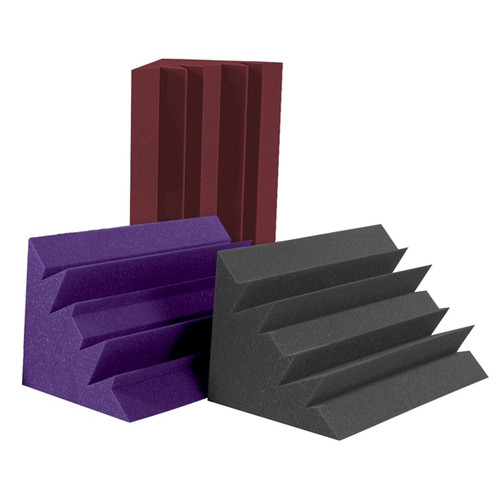
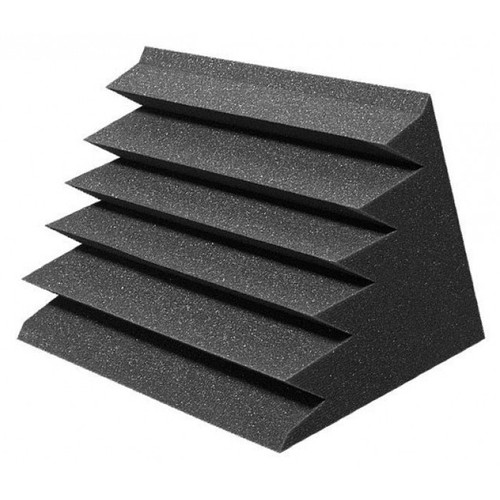
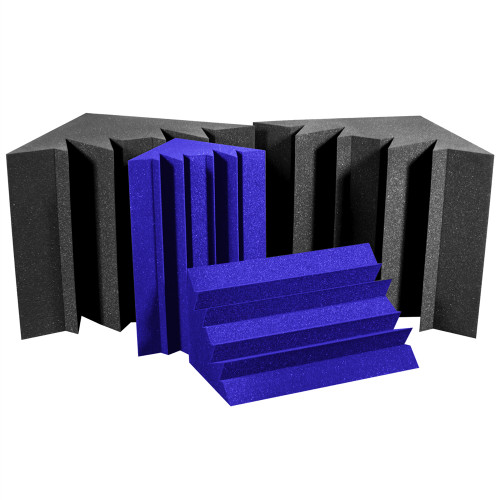
Corner Bass Traps are especially popular in home and project studios because they provide a practical way to add significant low-frequency absorption without occupying the main working area of the room. Vertical wall corners are common locations, while some designs can also be positioned in wall-to-ceiling or tri-corner locations depending on the product and room. This can be particularly useful in compact control rooms where the listening position is relatively close to several boundaries and low-frequency response varies noticeably across the space. The objective is not to remove bass from the music; it is to reduce excessive room decay and uneven low-frequency behavior so the monitors provide a more dependable reference for kick drums, bass guitars, synths and other low-frequency information.
Bass Traps vs. Acoustic Panels: What Does Your Room Need?
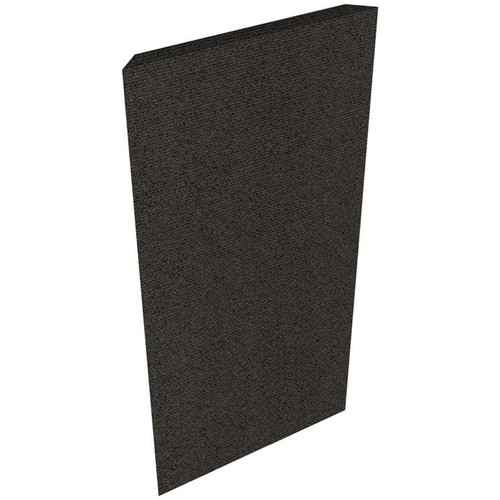
Standard acoustic panels and bass traps are both absorptive treatments, but their useful operating ranges and intended applications can differ significantly. Conventional Absorption Panels are often used to control early reflections, flutter echo and excessive mid- and high-frequency energy, while thicker bass trapping is designed to provide more effective absorption farther down into the low-frequency range. In most serious studios, the question is not whether to choose bass traps or broadband absorption—it is how to balance both. Covering a room with thin absorptive material while leaving the low end uncontrolled can produce a space that sounds dull in the upper frequencies while still being unreliable in the bass. A more thoughtful treatment plan manages the frequency spectrum in a balanced way.
Auralex, Primacoustic and ProSoCoustics Bass Traps
Auralex is one of the dominant brands in Front End Audio's current Bass Traps assortment, with familiar designs such as LENRD, Mega LENRD, ProPanel and Venus treatments covering several levels of low-frequency control. Primacoustic takes another strong approach with products such as London Bass Traps and Cumulus Tri-Corner treatments that integrate naturally with broader room-treatment systems. ProSoCoustics also provides purpose-built bass treatment as part of its studio acoustic solutions. These brands are useful examples because they represent different constructions, mounting approaches and treatment strategies rather than simply different logos on the same type of product. The best option comes down to the acoustic problem, available space and how the treatment needs to integrate with the rest of the room.
Where to Place Bass Traps in a Recording Studio
Bass trap placement should be driven by the acoustic behavior of the room, but corners and other boundary intersections are common places to begin because they can provide effective locations for low-frequency treatment. From there, the room may benefit from additional broadband absorption on walls or ceilings depending on the monitoring position and reflection pattern. Treatment should also work around practical requirements such as doors, windows, equipment racks and speaker placement instead of forcing the studio into an unusable layout. If you are starting from scratch, complete Acoustic Room Solutions can provide a more coordinated combination of bass trapping and broadband treatment than choosing every panel independently.
Build a More Reliable Low-Frequency Monitoring Environment
Good bass trapping is ultimately about making better decisions. If the room exaggerates one bass note and hides another, it becomes difficult to know whether the problem is actually in the mix or simply at the listening position. Proper treatment can make low-frequency response and decay more manageable, which helps engineers judge kick-and-bass balance, low-end EQ, compression and overall mix translation with greater confidence. Front End Audio has been helping recording studios work through acoustic-treatment decisions since 2003, and our non-commissioned team can help you look at bass traps as part of the complete room rather than simply recommending a stack of foam for the corners. If you are trying to improve the low end in a control room, tracking space or mastering room, call us at 888-228-4530 and we can help you determine which treatment approach makes sense for the space.

 Sign Up for exclusive sales and offers!