

Diffusion





Acoustic Diffusion at Front End Audio
Acoustic Diffusers give you another way to control a room without simply absorbing more sound. Instead of removing reflected energy, diffusion scatters it in different directions so strong reflections become less concentrated while the room retains a natural sense of space and liveliness. Front End Audio carries acoustic diffusion solutions for recording studios, control rooms, mixing spaces and critical-listening environments, including dedicated diffusors and hybrid panels that combine diffusion with absorption. Used as part of a thoughtful Acoustic Treatment plan, diffusion can help create a room that feels controlled without becoming overly dry or uncomfortable to work in.
Choosing the Best Acoustic Diffusers for a Recording Studio
The best Acoustic Diffusers for a recording studio depend on the size of the room, listening position, available wall space and what the room already has in the way of absorption and bass control. Diffusion generally becomes most useful when there is enough distance between the diffuser and the listener for the scattered reflections to develop naturally, which is why room dimensions matter. In a small control room, broadband absorption may need to handle the most problematic early reflections first, while diffusion can become more valuable on rear walls or other surfaces where reflected energy can be scattered without creating another strong specular reflection. Larger tracking rooms and control rooms often provide more freedom to use diffusion as part of the room's overall acoustic character. The right approach is not to cover a wall because a diffuser looks impressive; it is to place diffusion where scattering reflected energy actually improves the way the room behaves.
Acoustic Diffusion vs. Absorption: Which Does Your Studio Need?
Diffusion and absorption solve different acoustic problems, and the best rooms usually use them together rather than treating one as a replacement for the other. Acoustic Panels reduce reflected energy and are especially useful at early-reflection points or in spaces with excessive decay, while acoustic diffusers redirect reflected sound across a wider area instead of simply removing it. That makes diffusion useful when a room already has reasonable control but needs better distribution of reflected energy without becoming progressively deader. Low-frequency problems require another approach again, which is where Bass Traps enter the treatment plan. Thinking in terms of absorption, diffusion and bass control as complementary tools generally produces a much more balanced room than relying heavily on only one type of treatment.
Sound Diffusers for Control Rooms, Rear Walls and Tracking Spaces
One of the most common places engineers consider Sound Diffusers is the rear portion of a control room, where reflected energy can otherwise return toward the listening position in a relatively concentrated way. Diffusion can also work well in tracking rooms where you want to preserve useful room ambience while reducing obvious flutter or hard reflections between parallel surfaces. Placement still matters. A diffuser installed too close to the listening position may not behave the way you expect, while a room with major untreated bass or first-reflection problems may benefit more from addressing those issues before adding diffusion. In practical terms, diffusion tends to work best after the fundamental acoustic problems are under control and you are shaping how the remaining energy moves through the space.
Hybrid Absorption and Diffusion Panels for Studio Acoustics
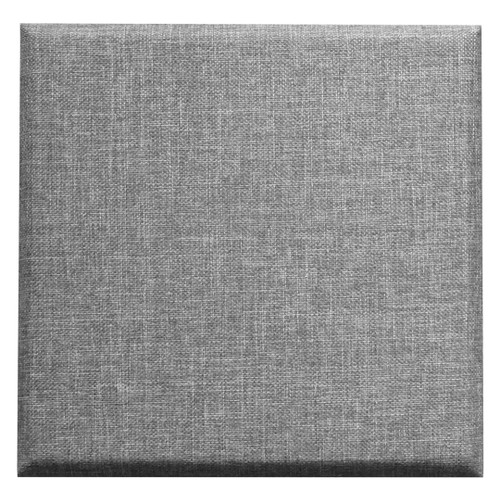
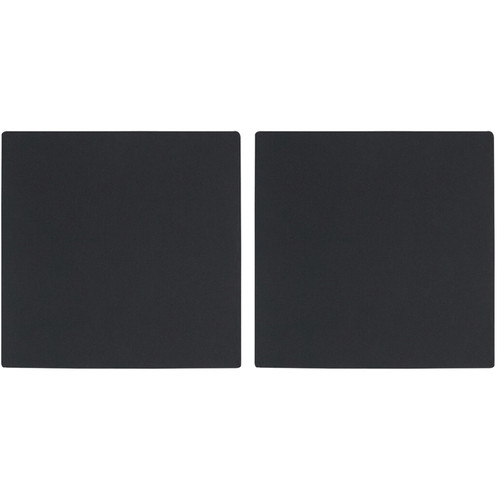
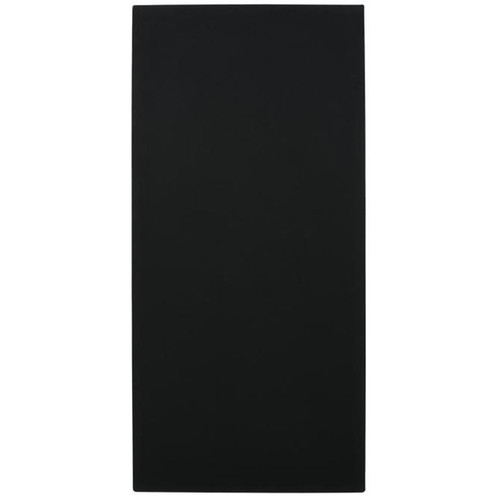
Hybrid acoustic panels can be particularly useful when a room needs both absorption and more controlled scattering from the same treatment area. Primacoustic is strongly represented in Front End Audio's current Diffusion category with its Broadway Control Columns and Control Cubes, which combine broadband acoustic control with a pattern that maintains more reflected energy than a completely absorptive surface. ProSoCoustics takes another interesting approach with its WAVERoom Pro panels, which incorporate an internal diffusion structure within an absorptive panel design. These hybrid solutions can make sense when wall space is limited or when the goal is to control reflections without treating the entire surface as straightforward absorption. FEA's current assortment genuinely supports this combination of absorption and diffusion rather than treating the two ideas as completely separate categories. :contentReference[oaicite:2]{index=2}
Auralex, Primacoustic and ProSoCoustics Studio Diffusers
Auralex, Primacoustic and ProSoCoustics represent the main approaches currently available in Front End Audio's Diffusion selection. Auralex offers dedicated diffusor products such as the T'Fusor, while Primacoustic combines diffusion and acoustic control within its Broadway systems. ProSoCoustics approaches the problem with hybrid WAVERoom panels that incorporate diffusion into an absorptive design. These are purposeful examples because they do not simply offer different versions of the same panel; they represent different strategies for controlling and distributing reflected energy in a studio. The best choice depends on whether you need dedicated scattering, a hybrid treatment solution or a system that integrates with acoustic treatment already installed in the room.
Where Should Acoustic Diffusers Go in a Studio?
There is no universal wall position that works for every diffuser or every studio. Rear walls are common candidates in control rooms, while tracking spaces may use diffusion on rear or side surfaces to create a more balanced sense of ambience around microphones and performers. The listening distance from the diffuser, room dimensions and the rest of the acoustic treatment all influence whether a particular location makes sense. If you are treating an entire room rather than solving one isolated reflection problem, our Acoustic Room Solutions can provide a useful starting point for coordinating absorption, bass treatment and other acoustic elements. Front End Audio has been helping customers work through studio acoustics since 2003, and our non-commissioned team can help you think through whether diffusion belongs in your room and where it can do the most useful work. Give us a call at 888-228-4530 and we'll be happy to talk through the space with you.

 Sign Up for exclusive sales and offers!