

Converters & Clocks


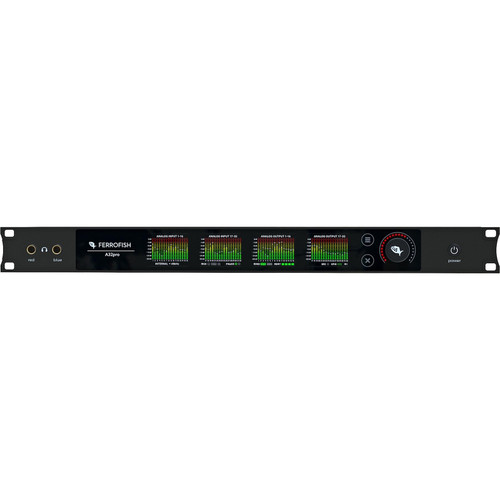
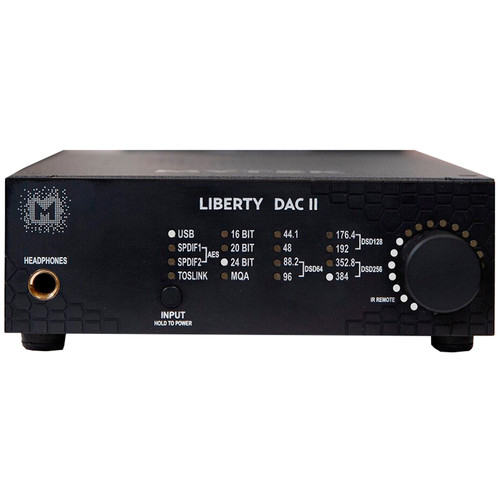
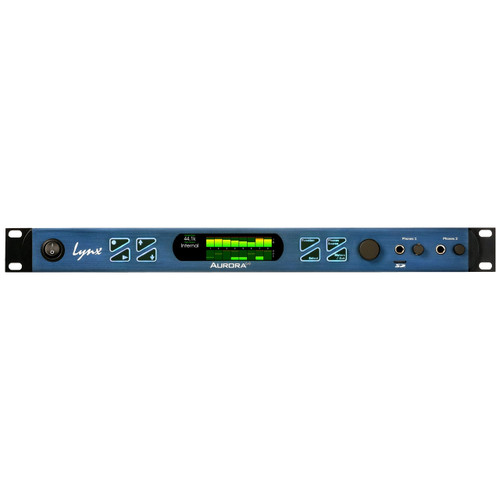


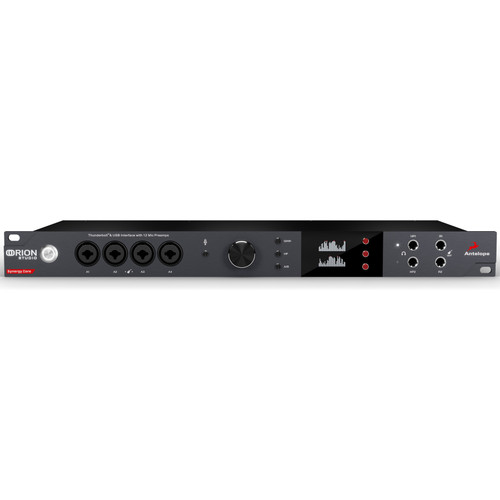

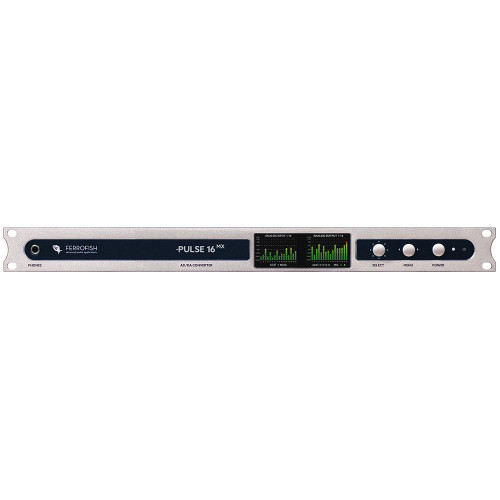
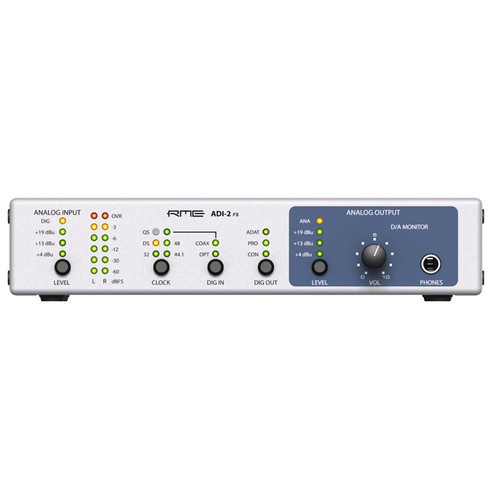
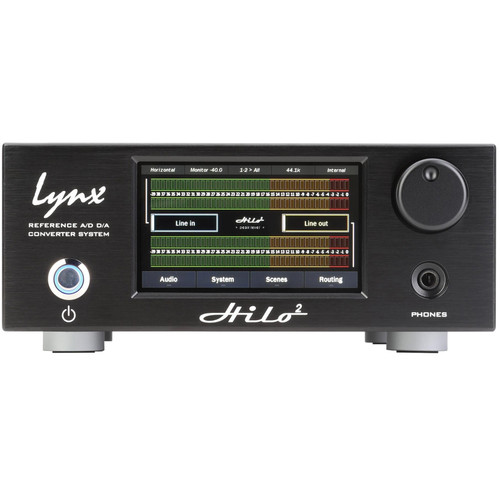
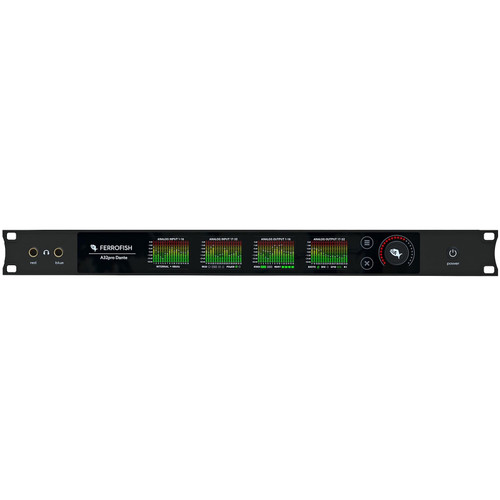
Audio Converters & Master Clocks at Front End Audio
Audio Converters & Master Clocks sit at the center of professional digital recording systems, handling the critical transition between analog audio, digital audio and synchronized studio hardware. Front End Audio carries AD/DA Converters, A/D Converters, D/A Converters, Clocking Devices and Format Converters for recording, mixing, mastering, broadcast and high-channel-count studio systems. Whether you are upgrading conversion, expanding analog I/O, synchronizing multiple digital devices or connecting equipment that uses different digital formats, the right conversion and clocking system helps keep the studio working as one reliable signal path.
Choosing the Right Audio Converter
The right Audio Converter depends on what needs to move between the analog and digital sides of the studio. An A/D Converter takes an analog signal from microphones, preamps or outboard processors and converts it into digital audio for recording, while a D/A Converter takes digital audio from the DAW and converts it back to analog for monitoring, mixing or external processing. AD/DA Converters combine both functions in one system and are common in professional studios that need multiple inputs and outputs for recording, monitoring and hybrid mixing.
AD/DA Converters for Recording and Hybrid Mixing
AD/DA Converters provide both analog-to-digital and digital-to-analog conversion, making them especially useful in studios where audio regularly moves between the DAW and analog hardware. During recording, microphone preamps and other analog sources can feed the converter before reaching the computer, while multiple D/A outputs can send tracks and stems to Compressors, Equalizers, Summing Mixers and other outboard processors during mixing. Channel count, analog headroom, digital connectivity, sample-rate support and overall system integration should all be considered when choosing a converter for a professional workflow.
A/D Converters for Capturing Analog Sources
A/D Converters are dedicated to turning analog signals into digital audio for recording. They are commonly used after Microphone Preamps, Channel Strips, mixing consoles and other analog processors when the engineer wants a dedicated conversion stage before the signal enters the DAW. High-quality A/D conversion is especially important in tracking and mastering environments where the analog signal chain has already been carefully built and the goal is to capture that signal accurately and consistently.
D/A Converters for Monitoring and Analog Playback
D/A Converters convert digital audio from a computer, playback system or digital processor into an analog signal. In the studio, that signal may feed Studio Monitors, a Monitor Controller, headphone system or analog processing chain. Dedicated D/A conversion is particularly important in critical monitoring and mastering environments where engineers need a dependable reference for decisions about level, frequency balance, dynamics and stereo imaging.
Master Clocks and Digital Studio Synchronization
Clocking Devices provide synchronization for professional digital systems where multiple converters, interfaces and other digital components need to operate from a common timing reference. Master Clocks and Word Clock devices can distribute clock signals throughout a larger studio, helping connected equipment maintain stable synchronization. Not every studio needs an external master clock, and adding one does not automatically improve sound quality; its primary value is keeping multiple compatible digital devices synchronized reliably within a more complex system.
Format Converters and Digital Audio Connectivity
Format Converters help professional studios connect equipment that uses different digital audio standards. Depending on the system, they can bridge formats such as ADAT, AES/EBU, MADI, Dante and other digital or networked protocols, allowing converters, interfaces, consoles and recording systems to communicate without unnecessary analog conversion stages. This becomes especially useful in commercial studios, broadcast facilities, live production systems and larger installations where digital audio needs to move between multiple devices or rooms.
Converters for Recording, Mixing and Mastering
Conversion requirements change depending on the job. Tracking systems may prioritize input count, analog headroom and integration with Microphone Preamps, while hybrid mixing setups often need multiple high-quality analog outputs for external processors and summing. Mastering rooms may place greater emphasis on precise stereo A/D and D/A conversion, monitoring confidence and repeatable level relationships. Rather than choosing a converter solely by specifications, it is important to consider how it will connect to the rest of the system and which parts of the workflow actually depend on its analog and digital I/O.
Build a Complete Digital Studio System
Converters and clocks work best when they are planned around the entire studio signal path. Pair professional A/D Conversion with Microphone Preamps for recording, use D/A Conversion to feed Studio Monitors and analog processors, and integrate Clocking Devices when multiple digital components need a common reference. Format Converters can then bridge incompatible digital standards when the system grows across different interfaces, converters, consoles or networked audio platforms.

 Sign Up for exclusive sales and offers!