

Format Converters


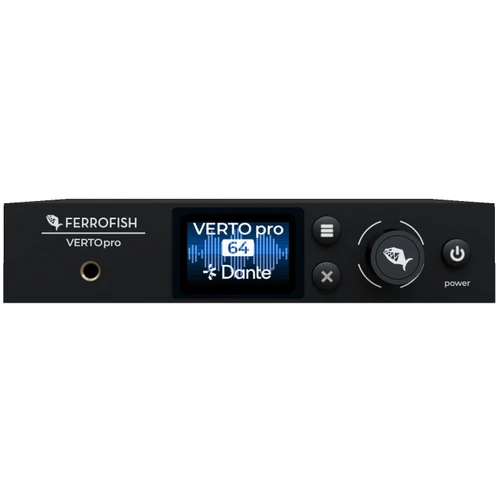
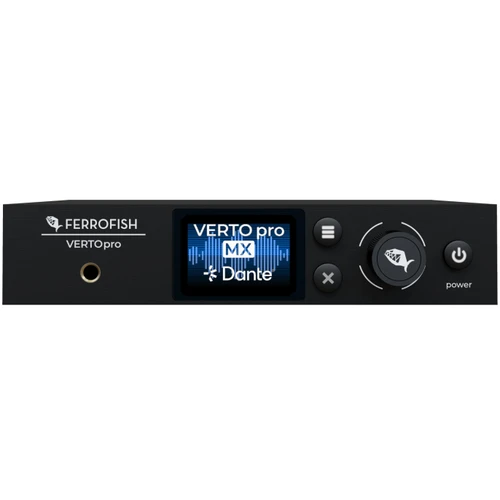

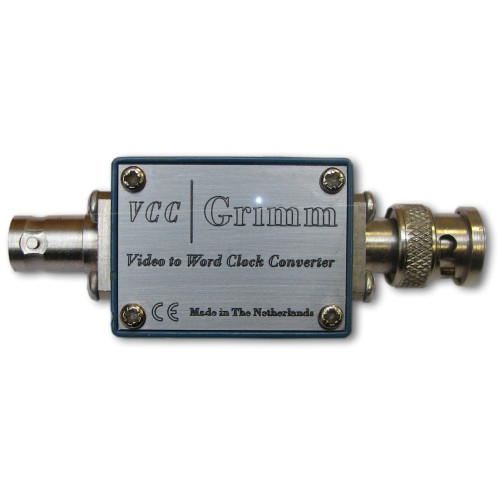

Audio Format Converters at Front End Audio
Audio Format Converters solve one of the most common problems in professional digital systems: getting equipment that uses different connection standards to communicate with each other. Front End Audio carries Format Converters for studio, broadcast and live sound workflows, including systems that bridge ADAT, MADI, Dante, Word Clock and other professional audio formats. Whether you are integrating an older converter into a Dante network, connecting MADI equipment to a different digital infrastructure or adapting clock and signal formats between devices, the right converter can extend the usefulness of the gear you already own.
Choosing the Right Format Converter
The right Format Converter depends first on the format you have and the format you need to reach. Some units are designed for a very specific conversion, such as ADAT to Dante or MADI to Dante, while others provide several digital connection types or additional routing and synchronization options. Channel count, supported sample rates, clocking, redundancy, network requirements and bidirectional operation should all be considered before choosing a converter. The most important step is understanding the complete signal path so the converter solves the actual compatibility problem without introducing unnecessary complexity.
ADAT Format Conversion
ADAT remains a common expansion format for Audio Interfaces, microphone preamps and converters, especially when a studio needs to add several digital channels over an optical connection. Format Converters can take those ADAT channels and move them into other professional systems such as Dante or MADI, making it possible to keep useful ADAT-equipped hardware in a larger modern setup. This can be especially valuable when a studio is expanding into network audio but does not want to replace every existing preamp, converter or interface at the same time.
Dante Format Converters and Network Audio
Dante Format Converters provide a bridge between traditional digital audio formats and Dante network infrastructure. For example, an ADAT or MADI converter can move multiple channels onto a Dante network so the audio can be routed between studios, stage boxes, consoles, computers and other networked devices over Ethernet. Engineers building larger networked systems can also explore Dante Audio Interfaces when computer recording and playback need to become part of the same Dante environment.
MADI Format Conversion
MADI is widely used in professional recording, broadcast and live sound systems because it can carry large numbers of digital audio channels over a single connection. Format Converters can bridge MADI with Dante and other digital standards, allowing high-channel-count hardware from different parts of a system to communicate without converting the signal back to analog first. MADI conversion can be especially useful in commercial studios, remote recording rigs, broadcast facilities and live production environments where large channel counts and long-distance digital transport are common.
Word Clock and Synchronization Conversion
Some Format Converters also handle clock and synchronization standards rather than audio channels alone. Word Clock conversion can help connect equipment that requires different timing or reference formats within a larger digital system. Studios with several digital devices may also use dedicated Clocking Devices to establish and distribute a common synchronization reference, while a Format Converter handles the specific interface or protocol translation required between individual pieces of equipment.
Format Converters for Studio, Broadcast and Live Sound
Format Conversion becomes increasingly important as a system grows beyond a single interface and computer. Recording studios may need to integrate legacy digital hardware with newer network audio, broadcast facilities often work with multiple professional digital standards, and live sound systems may need to connect consoles, stage boxes and recording equipment that were never designed around the same protocol. A well-chosen Format Converter lets those systems work together while preserving the existing digital workflow and avoiding unnecessary analog conversion stages.
Format Converters vs. Audio Converters
A Format Converter changes the way digital audio is transported or connected, while an audio converter changes the signal between analog and digital domains. For example, AD/DA Converters perform analog-to-digital and digital-to-analog conversion, while a Format Converter may take existing digital audio in ADAT, MADI or another format and translate it into a different digital protocol. Understanding that distinction makes it easier to determine whether the system needs conversion between analog and digital audio or simply a bridge between two digital standards.
Build a Complete Digital Audio System
Format Converters work best when they are planned around the complete digital architecture. Start by identifying the formats used by your interfaces, converters, consoles and networked devices, then choose the bridge required between them. Use Clocking Devices when multiple digital components need centralized synchronization, AD/DA Converters when audio needs to move between the analog and digital domains, and explore the broader Converters & Clocks category when building a larger conversion, routing and synchronization system.

 Sign Up for exclusive sales and offers!