

Patch Cables








Patch Cables at Front End Audio
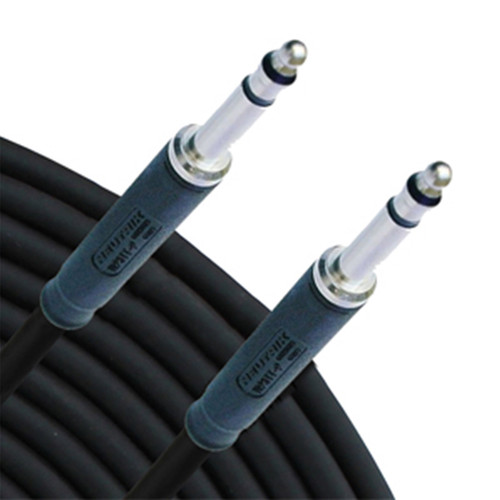
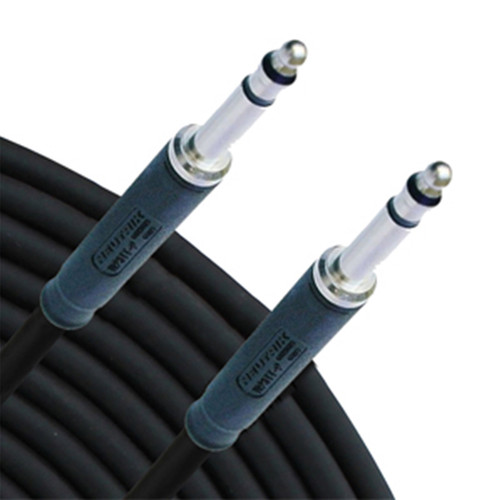
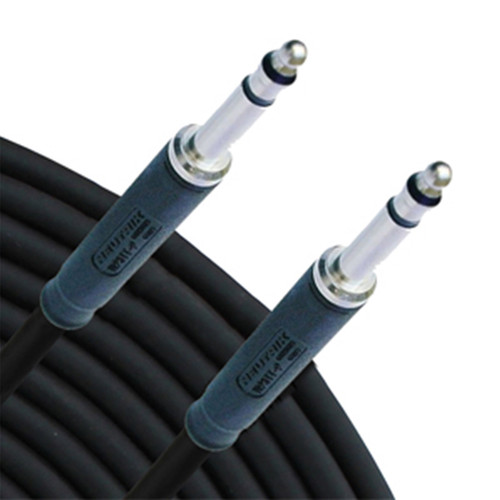
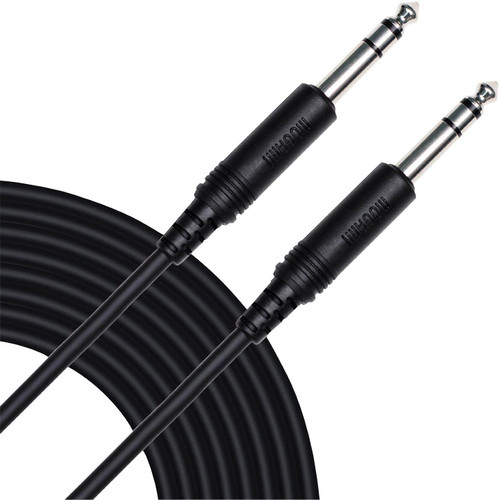
Patch Cables are the short, flexible connections that keep a studio patchbay, analog rack or pedalboard easy to reconfigure without constantly reaching behind the equipment. Front End Audio carries professional patch cables for Patchbays, outboard processors, guitar effects and other applications where connections change regularly. The right cable depends on the system: TT patch cables are common in higher-density professional studio patchbays, while 1/4-inch TRS and TS cables cover everything from balanced rack routing to pedalboard connections. Good patch cables should be easy to handle, appropriately sized for the job and rugged enough to withstand constant plugging and unplugging without turning routine routing into a maintenance problem.
Choosing the Best Patch Cables for a Recording Studio
The best patch cables for a recording studio start with the patchbay itself. Connector format, normaling scheme, rack layout and the distance between equipment all determine what makes sense. In a TT-based studio, short bantam cables keep high-density routing organized and allow engineers to repatch compressors, equalizers, preamps and converters quickly. A 1/4-inch TRS patchbay calls for a different cable, but the same principle applies: use the shortest practical length that reaches comfortably without pulling on the jack or leaving unnecessary coils across the front of the rack. Color coding can also be useful in larger systems, particularly when you want to identify tracking, mixing, inserts or stereo pairs at a glance. The goal is a patching system that is fast enough to disappear into the workflow rather than slow the session down.
TT Patch Cables for Professional Studio Patchbays
TT Patch Cables, often referred to as bantam patch cables, are designed for the compact TT patchbays commonly found in professional recording, broadcast and mastering rooms. Their smaller connector size allows a large number of patch points to fit into relatively little rack space, which is one reason TT systems remain popular in studios with substantial analog routing. RapcoHorizon has a particularly strong presence in Front End Audio's TT Patch Cables assortment, including Neutrik-equipped cables in several practical lengths and bundled configurations. When building a TT system, it usually makes sense to keep a healthy supply of shorter everyday cables on hand and add longer runs only where the physical rack layout actually requires them.
1/4-Inch TRS Patch Cables for Studio Gear and Patchbays
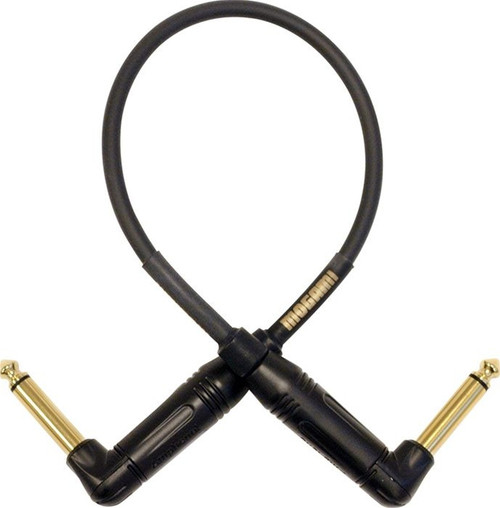
1/4 Patch Cables are a versatile choice for studios using TRS patchbays, line-level processors or other equipment with quarter-inch connections. Balanced TRS patch cables are commonly used for routing line-level signals between interfaces, preamps, compressors, equalizers and other outboard gear, while TS patch cables are more typical in instrument and pedalboard applications. Mogami is heavily represented in this category with its Pure Patch and Gold patch-cable lines, while Colossal Cable offers another studio-focused option for engineers looking for premium short-run cabling. The practical difference between these cables is not simply the logo on the jacket; connector style, flexibility, cable construction and the way the patching system is physically laid out all matter in daily use.
Patchbay Cables for Preamps, Compressors, EQs and Outboard Gear
A well-wired patchbay turns a rack full of analog processors into a flexible system instead of a collection of fixed connections. With the right patch cables, a Microphone Preamp can feed one compressor during tracking and another during a different session, or a Hardware Equalizer can move from an individual track to a stereo bus without rewiring the rear of the rack. Compressors & Limiters, converters and other line-level processors become much easier to audition and rearrange when the common signal paths are brought forward to a central patch point. This is where a modest investment in good patch cables can have an outsized effect on workflow: the gear becomes easier to use because changing the signal path no longer feels like a project.
Patch Cables for Guitar Pedalboards and Effects
Patch cables also play an important role outside the studio rack. Guitar and bass pedalboards use short instrument-level patch cables to connect effects while keeping the board compact and manageable. Right-angle connectors are especially useful where pedals sit close together, while cable flexibility becomes important when the routing has to work around power supplies and tightly packed effects. These cables should not be confused with balanced TRS studio patch cables even though both may use 1/4-inch connectors. Pedalboard patching is generally unbalanced and instrument-level, so the correct cable type matters. If you are building a guitar rig, our Guitar Pedals & Effects category gives you the other half of that signal path.
Build a Reliable Studio Patch Cable System
A good patching setup is easier to build when you think about it as a system rather than buying random cables one at a time. Start with the connector format of the patchbay, determine the lengths you use most often and buy enough of those everyday cables that you are not constantly borrowing from another part of the rack. Labeling or color coding can make larger systems easier to follow, and keeping a few spare cables nearby is inexpensive insurance when a connection starts behaving intermittently during a session. Mogami, RapcoHorizon and Colossal Cable all have meaningful representation in Front End Audio's current Patch Cables assortment, giving studios useful choices across TT, TRS and instrument-style patching. If you are wiring a new patchbay or trying to clean up an existing analog rack, call Front End Audio at 888-228-4530 and our non-commissioned team can help you sort through connector type, cable length and routing before you order.

 Sign Up for exclusive sales and offers!