

Boundary Microphones




Boundary Microphones at Front End Audio
Boundary Microphones are designed to operate on or very close to a reflective surface, making them useful for kick drum, piano, room recording, theater, conference systems and other applications where traditional microphone placement may be difficult. Front End Audio carries professional Boundary Microphones ranging from purpose-built kick drum models to PZM and boundary-layer designs for studio, live sound and installed audio. Their low-profile form factor allows them to capture sound from floors, walls, tables, piano lids and other surfaces while staying out of the way of performers and other equipment.
Choosing a Boundary Microphone
The right Boundary Microphone depends heavily on the application. Kick drum models are designed to handle high sound pressure levels and capture attack and low-frequency impact inside or near the drum, while broader PZM and Boundary Layer Microphones may be used for piano, theater stages, conference tables, room capture and other surface-mounted applications. Consider polar pattern, frequency response, maximum SPL, output connection and phantom-power requirements, along with how the microphone is intended to interact with the mounting surface.
Boundary Microphones for Kick Drum
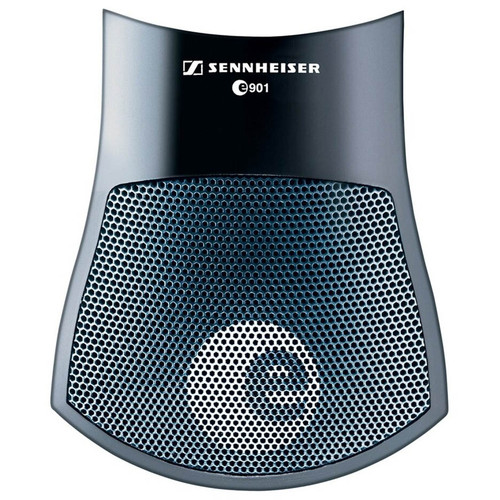
Kick drum is one of the most popular uses for Boundary Microphones because their low-profile design makes them easy to position inside the drum without a conventional microphone stand. Models such as the Shure Beta 91A and Sennheiser e901 are specifically built for this type of high-SPL application. Boundary mics can emphasize attack and definition while working alongside an outside kick microphone when additional low-frequency weight is desired. Engineers building a complete kit setup can also explore Drum Microphone Packages and individual Dynamic Microphones for snare, toms and other close-miking positions.
Boundary Microphones for Piano, Rooms and Instruments
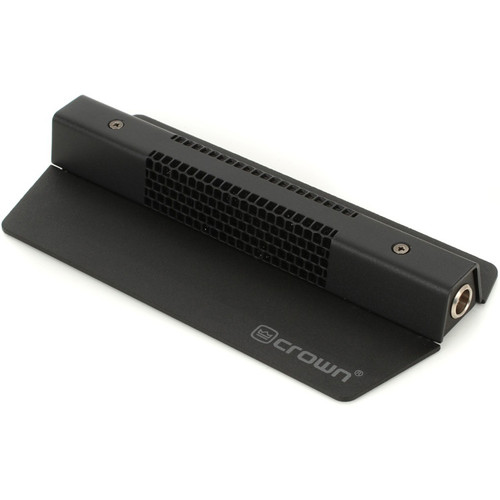
Boundary Microphones can also be placed on large reflective surfaces such as a piano lid, floor or wall to capture instruments and room ambience without requiring a traditional stand-mounted microphone position. This can be useful around grand piano, percussion, theater stages and other environments where the microphone needs to remain discreet or close to a boundary. Some specialized Boundary Layer Microphones are designed specifically for this type of surface placement, giving engineers another option alongside Small Diaphragm Condenser Microphones and other conventional instrument microphones.
PZM and Boundary Layer Microphones
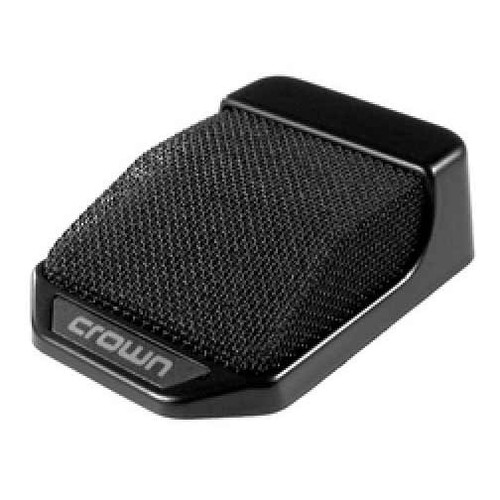
PZM and Boundary Layer Microphones use the relationship between the microphone element and a nearby surface to capture sound while reducing some of the phase interaction that can occur when direct and reflected sound reach a conventional microphone at slightly different times. Designs vary considerably, so PZM, pressure-zone and boundary-layer microphones should be selected around their intended application rather than treated as interchangeable. Current FEA options include Crown PZM models as well as the DPA BLM4060 Boundary Layer Microphone, which can be positioned on reflective surfaces for discreet professional capture. :contentReference[oaicite:1]{index=1}
Build a Complete Boundary Microphone Setup
Boundary Microphones can work as specialized tools within a larger microphone collection. Use them inside kick drums or on stage surfaces where conventional placement is difficult, combine them with Dynamic Microphones and Small Diaphragm Condenser Microphones when multiple microphone types are needed, and connect them through compatible Microphone Preamps or console inputs. For a wider look at recording and performance microphones, explore all Microphones at Front End Audio.

 Sign Up for exclusive sales and offers!