

-

-
Universal Audio
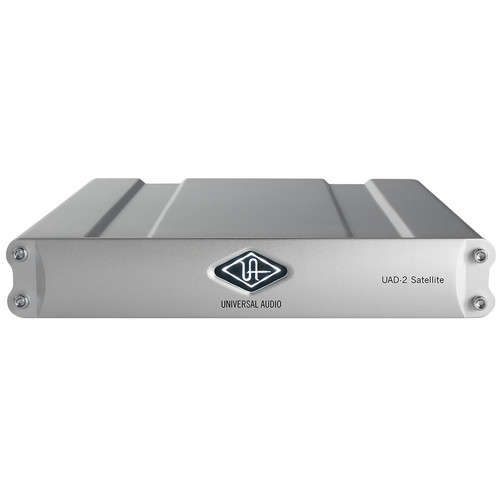
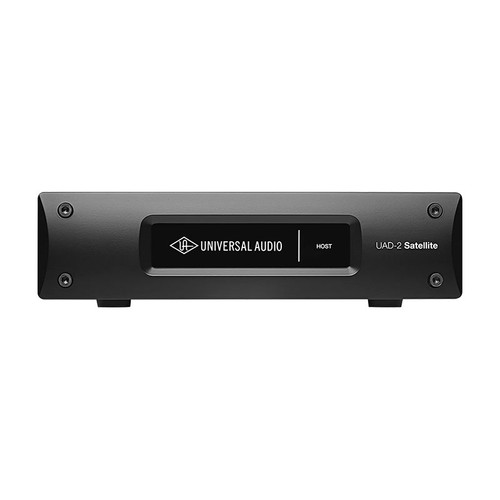
Universal Audio UAD-2 Satellite Firewire Quad Core DSP Accelerator
$499.00 $399.15On Sale! -
-
-
-
-
-
-
-
-
-
-
-
-
-
-
-
-
-
DSP Processors






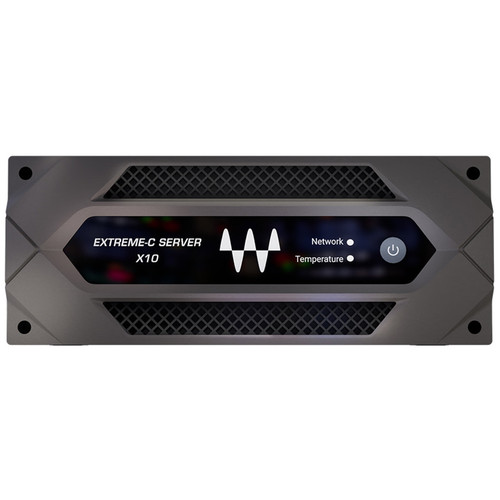

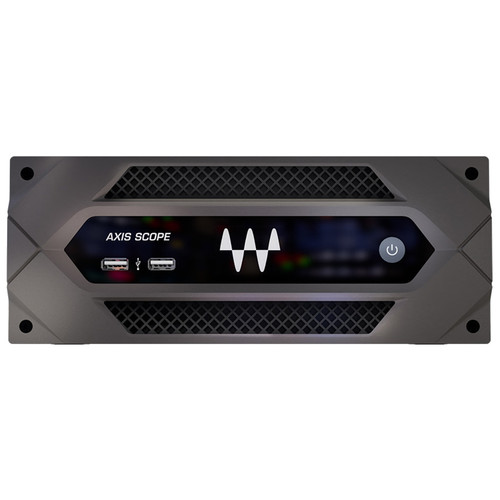


DSP Processors at Front End Audio
DSP Processors add dedicated computing power to recording, mixing and production systems so compatible plug-ins and audio-processing workflows do not have to rely entirely on the host computer. Front End Audio carries professional DSP hardware ranging from desktop plug-in accelerators to rackmount network-processing servers built for demanding studio and real-time audio environments. These systems can make sense when large sessions, specialized plug-in platforms or low-latency workflows require more processing resources than the computer alone can comfortably provide. The important distinction is that DSP hardware is usually part of a specific ecosystem, so compatibility with your software, computer connection and existing studio hardware should be established before choosing a processor.
Choosing the Best DSP Processor for a Recording Studio
The best DSP Processor depends on what you need the additional processing to accomplish. If your priority is running a particular family of studio plug-ins while mixing, a dedicated accelerator designed around that software platform can expand the number of processors available without replacing the entire computer. Networked DSP systems solve a different problem, providing processing resources for larger routing, mixing or real-time environments where multiple audio channels and plug-ins need to work together across a dedicated network. Before buying, consider the plug-ins you actually use, supported operating systems, connection format, available expansion options and whether the DSP hardware remains useful as your studio grows. Dedicated processing is most valuable when it solves a specific workflow limitation rather than simply adding another box to the rack.
UAD DSP Accelerators for Larger Plug-In Sessions
Universal Audio UAD-2 Satellite processors are a major part of Front End Audio's current DSP assortment and provide dedicated processing for compatible UAD Powered Plug-Ins. Thunderbolt models are available with different processing configurations, allowing studios to expand UAD capacity around the size of their sessions. Universal Audio also allows compatible UAD-2 devices to work together, so a Satellite can supplement processing already available in certain UA systems rather than necessarily operating as a completely separate environment. For engineers already committed to UAD plug-ins, that scalability is the primary reason to consider a dedicated accelerator: it gives larger mixes more room to run compatible processing without placing the entire load on the computer's native CPU.
SoundGrid Servers for Real-Time Plug-In Processing
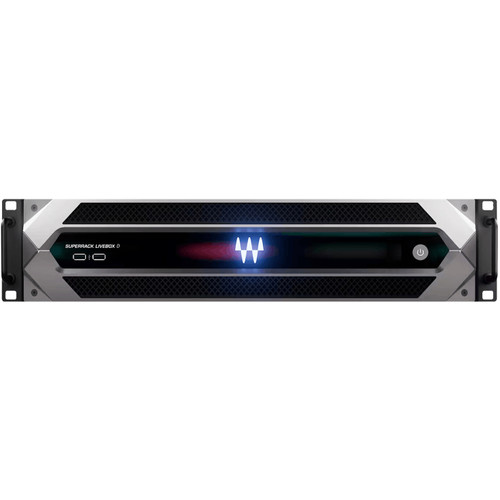
Waves SoundGrid servers take a network-oriented approach to DSP, providing dedicated processing for compatible Waves systems used in studio, broadcast and real-time mixing workflows. Current Front End Audio offerings include SoundGrid servers along with interfaces, stageboxes and related system hardware, allowing processing and I/O to become part of a larger networked environment. This approach is particularly useful when low-latency plug-in processing needs to operate across substantial channel counts or when the system needs to scale beyond a single computer and interface. SoundGrid hardware should be selected as part of the complete system—server capacity, network configuration, interfaces and software all need to support the intended workload rather than treating the server as a generic processor that can be dropped into any setup.
DSP Processing vs. Native Plug-Ins
Modern computers can run substantial numbers of native plug-ins, so dedicated DSP is not automatically necessary for every studio. Native processing keeps the workflow simple because EQs, compressors, reverbs and other tools run directly on the computer, and our Plug-Ins & VSTi selection includes a wide range of software designed for that approach. DSP becomes more attractive when a particular plug-in ecosystem requires dedicated hardware, when large sessions are pushing available CPU resources, or when a real-time processing system benefits from moving audio work away from the host computer. Many professional studios use both: native plug-ins handle the majority of routine processing while dedicated DSP supports specialized tools or high-demand parts of the workflow.
DSP Hardware, Audio Interfaces and Hybrid Studio Workflows
DSP processing often sits alongside the Audio Interface rather than replacing it. The interface still handles the physical movement of audio between microphones, instruments, monitors and the computer, while dedicated DSP provides additional processing resources or access to a specific plug-in platform. Some audio-interface ecosystems include onboard DSP of their own, while external accelerators can extend processing capacity beyond what is built into the interface. In larger studio and networked systems, DSP servers may also work alongside dedicated I/O hardware to create a more distributed processing environment. Thinking about the interface, software and DSP as parts of one system helps avoid compatibility problems and makes it easier to determine whether an external processor will actually improve the workflow.
Build a DSP System Around the Software You Actually Use
The most important consideration with any DSP Processor is ecosystem compatibility. A powerful processor is only useful when it supports the plug-ins, connection standards and workflow your studio depends on. Start with the software and processing demands of your current sessions, then look at how much additional capacity you need and whether the system can expand if those requirements change. Front End Audio carries dedicated DSP solutions for a range of professional recording and production environments, and our non-commissioned team can help you sort through processing capacity, connectivity and compatibility before you commit to a particular platform. Give us a call at 888-228-4530 if you want to talk through how dedicated DSP would fit into your recording or mixing system.

 Sign Up for exclusive sales and offers!