

Clocking Devices


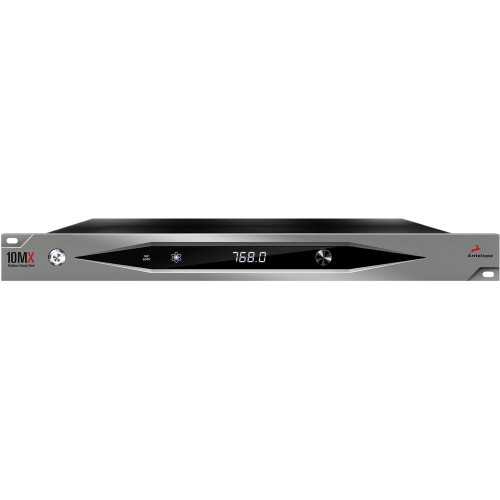


Master Clocks & Word Clocks at Front End Audio
Master Clocks & Word Clocks provide a common timing reference for professional digital audio systems, helping converters, interfaces, recorders and other compatible digital devices stay synchronized. Front End Audio carries Clocking Devices ranging from dedicated Word Clock generators and distribution systems to advanced Master Clocks built for recording studios, mastering rooms, broadcast facilities and complex multi-device installations. When several pieces of digital equipment need to operate together reliably, a properly designed clocking system can simplify synchronization and keep the entire digital signal chain locked to the same reference.
What Does a Word Clock Do?
Digital audio devices process samples according to an internal timing reference, and when multiple devices exchange digital audio they need to remain synchronized. Word Clock provides a dedicated timing signal that allows compatible equipment to follow the same sample-rate reference rather than each device operating independently. In a simple studio, synchronization may already be handled through the digital audio connection itself, but larger systems with several converters, interfaces or processors can benefit from a dedicated clocking architecture that clearly establishes which device is the master and how the clock signal is distributed.
Choosing a Master Clock for Your Studio
The right Master Clock depends on how many devices need synchronization, which clock formats they accept and how the studio is wired. Consider the number of Word Clock outputs, supported sample rates, BNC connectivity, distribution options and whether the system also needs AES, S/PDIF, video reference or other synchronization formats. Studios with only one converter and interface may not need a dedicated external clock, while larger facilities with several digital devices can benefit from centralized clock distribution that makes the synchronization structure easier to manage and troubleshoot.
Clock Distribution for Multi-Device Digital Systems
Clock Distribution systems take a master timing reference and deliver it to several pieces of compatible digital equipment. This is useful when multiple AD/DA Converters, interfaces, digital processors or recorders need to remain synchronized without daisy-chaining the clock signal through each device. Dedicated distribution can provide multiple individually driven outputs, making it easier to build a clear clocking topology across commercial studios, broadcast rooms and other systems with substantial digital I/O.
Master Clocks for Recording, Mixing and Mastering
Professional recording and mastering systems often combine several digital components, and reliable synchronization becomes increasingly important as the system grows. A Master Clock can provide a central reference for converters used during tracking, D/A systems used for monitoring and additional digital hardware integrated into hybrid mixing or mastering chains. The value of external clocking is not that every studio automatically sounds better when a clock is added, but that compatible devices can be organized around a stable and predictable synchronization scheme when the workflow requires it.
Word Clock, Sample Rates and Digital Synchronization
A digital system should be configured so connected devices agree on both the clock source and sample rate. If one device expects a different timing reference or sample rate from the rest of the system, synchronization problems can occur. Professional Clocking Devices may support multiple standard sample rates and provide clear lock or status indications to help confirm that connected equipment is following the correct reference. Proper termination and cabling also matter when distributing Word Clock over BNC connections, so the manufacturer's clocking requirements should be followed when designing the system.
Clocking Devices and Audio Conversion
Clocking becomes especially relevant in studios built around multiple digital converters. Dedicated A/D Converters, D/A Converters and AD/DA Converters may all provide internal clocking and synchronization connections, allowing one device to serve as the master or the entire system to follow a dedicated external reference. The best clocking architecture depends on the capabilities of the equipment already in the studio rather than assuming an external clock is required for every converter setup.
Format Conversion and Larger Digital Workflows
Studios that use several digital standards may need more than clock synchronization alone. Format Converters can bridge formats such as MADI, AES, ADAT, Dante and other professional connections while preserving a digital workflow, and those devices may also need to participate in the same synchronization scheme as the rest of the system. Planning format conversion and clock distribution together can make complex studio, broadcast and live production systems much easier to integrate.
Build a Complete Digital Conversion and Clocking System
A clock should be chosen around the digital equipment it needs to synchronize. Start with the converters and interfaces required by the studio, determine which device or dedicated clock will act as the master reference, and then distribute that timing signal according to the manufacturer's requirements. Explore Converters & Clocks for complete conversion and synchronization solutions, Format Converters when different digital standards need to communicate, and Converter & Clock Accessories for compatible cards, rack hardware, cables and other system components.

 Sign Up for exclusive sales and offers!