

Distributors & Conditioners


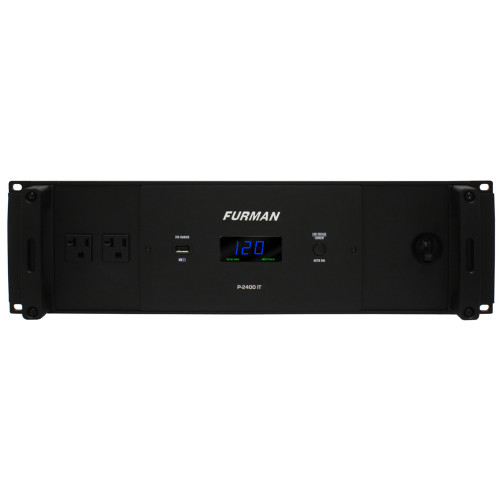


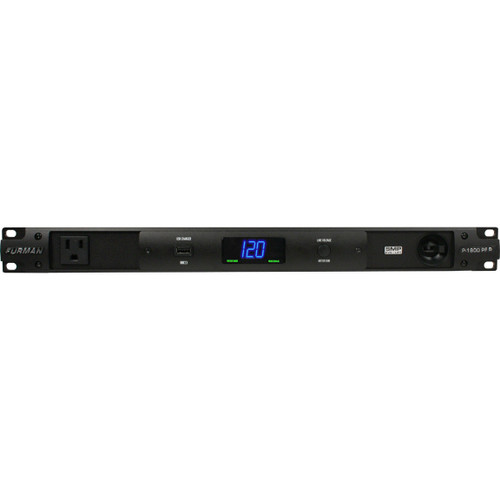


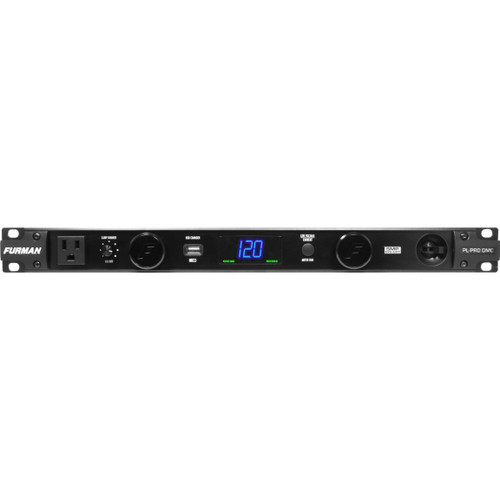


Studio Distributors & Conditioners at Front End Audio
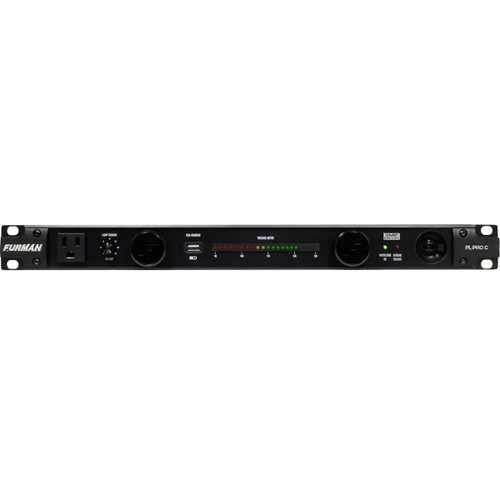
Studio Power Conditioners and power distribution systems give recording, mixing and mastering rooms a cleaner way to organize AC power while providing the protection, monitoring and filtering features offered by the particular unit. Front End Audio carries everything from straightforward rackmount power conditioners and surge-protection systems to voltage-monitoring, sequencing and professional balanced-power solutions. A rack full of microphone preamps, compressors, converters, interfaces and monitoring equipment can represent a serious investment, so power deserves more thought than simply finding an open wall outlet. The right solution should fit the electrical requirements of the equipment, provide enough properly rated outlets for the system and make the studio easier to power, monitor and maintain.
Choosing the Best Power Conditioner for a Recording Studio
The best power conditioner for a recording studio starts with what the room actually needs. For many studios, the priority is centralized rackmount power distribution with surge protection and enough outlets to keep equipment organized. Other installations benefit from voltage monitoring, sequenced power, isolated outlet banks or more advanced filtering and protection features. These capabilities vary considerably from one model to another, so we recommend comparing the actual specifications rather than assuming every product labeled a “power conditioner” does the same thing. It is also important to consider the total current requirements of the connected equipment and leave sensible capacity for future additions. A well-planned system should make powering the studio straightforward without becoming the part of the rack you have to think about every session.
Rackmount Power Conditioners for Studio Gear and Outboard Equipment
Rackmount Power Conditioners are particularly practical when most of the studio hardware already lives in equipment racks. Preamps, compressors, equalizers, converters, monitor controllers and interfaces can be powered from a centralized location instead of relying on a collection of consumer power strips running in different directions behind the furniture. When you are planning a new Studio Rack, it makes sense to think about AC distribution at the same time as audio cabling, ventilation and equipment placement. This is also where details such as rear-panel outlet spacing, front-panel convenience outlets, voltage or current metering and power sequencing can become more useful than they may appear on a specification sheet. Good studio infrastructure is rarely exciting, but when it is planned properly it makes everything else considerably easier to work with.
Power Conditioner vs. Surge Protector: What Does Your Studio Need?
“Power conditioner” and “surge protector” are often used as though they describe exactly the same thing, but the feature set can vary substantially. Surge protection is designed to address potentially damaging voltage events, while some professional power conditioners may also provide filtering, voltage monitoring, sequencing or other power-management features. That does not mean every conditioner will fix hum, eliminate every electrical problem or somehow make studio equipment sound better; those claims depend heavily on the actual problem and the design of the product. If a studio is experiencing persistent noise, grounding issues or abnormal voltage, it is better to identify the cause than assume a rackmount conditioner is a universal cure. The practical goal is to choose the level of power distribution and protection appropriate for the equipment and electrical environment rather than buying features the studio does not need.
Balanced Power Systems for Professional Recording Studios
Balanced power systems sit at the more specialized end of professional studio power distribution and are typically considered when the electrical infrastructure itself is part of a larger studio design. Front End Audio carries Equitech balanced-power systems alongside conventional rackmount conditioners, giving commercial facilities and more sophisticated installations options beyond standard outlet distribution. These systems should be approached differently from simply adding another 1U conditioner to an equipment rack. Capacity, compatibility, installation requirements and the electrical system of the facility all matter, and permanent electrical work should follow the manufacturer's requirements and applicable electrical codes. For larger studio builds, power is best considered as part of the room's overall infrastructure rather than something added after the audio equipment has already been installed.
Planning Studio Power Distribution for a Growing Equipment Rack
One of the easiest mistakes to make is designing the power system around the studio you have today with no room for the rack you are building tomorrow. Count the equipment that needs AC power, look at actual current requirements, consider wall-wart and transformer spacing, and think about which devices you may add over the next few years. Studios using modular analog gear should also remember that 500-Series Power Supplies provide the operating power for individual 500-Series modules, while the chassis itself still becomes part of the studio's overall AC power plan. You can explore the broader Power Solutions category for additional power products and accessories. If you are planning a new rack or trying to clean up an existing studio power setup, call Front End Audio at 888-228-4530 and our non-commissioned team can help you work through the equipment, outlet count and power requirements before you start plugging everything in.

 Sign Up for exclusive sales and offers!