

Large Diaphragm


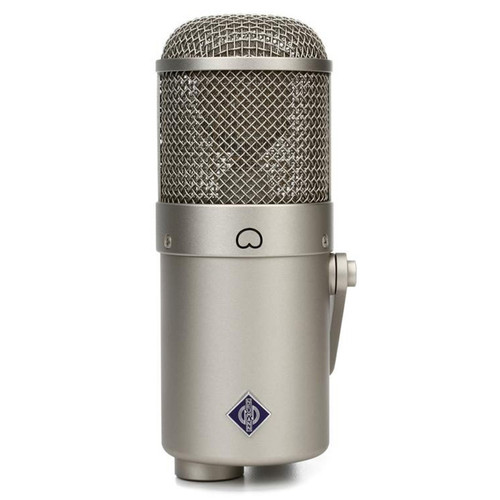
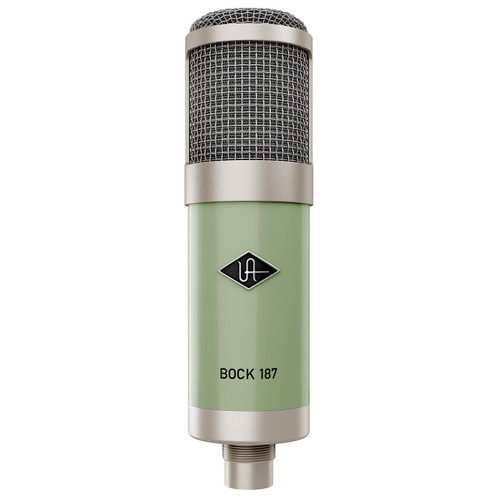
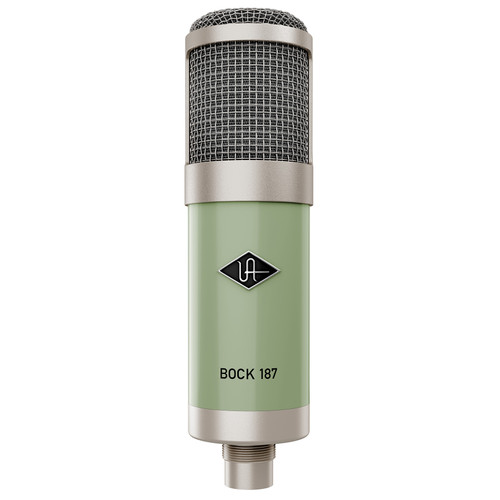


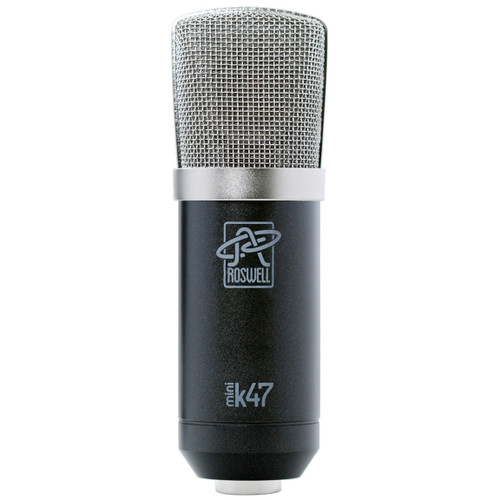


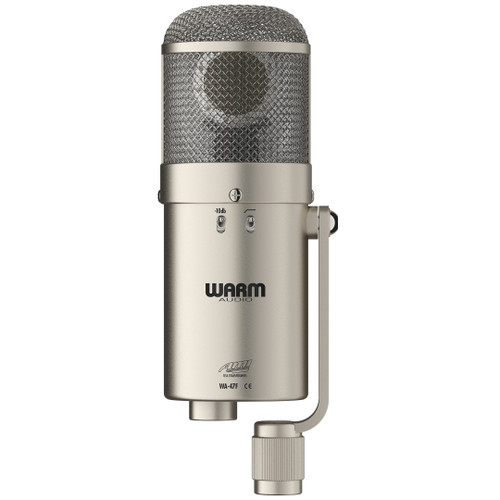


Large Diaphragm Condenser Microphones at Front End Audio
Large Diaphragm Condenser Microphones are among the most versatile microphones in the recording studio, making them a go-to choice for vocals, voiceover, acoustic instruments, piano, guitar cabinets, room microphones and many other sources. Front End Audio carries Large Diaphragm Condenser Microphones ranging from clean, modern FET designs to transformer-based and vintage-inspired microphones built around different capsule and circuit approaches. Their combination of sensitivity, detail and tonal variety makes LDC microphones useful whether you are building your first serious vocal chain or expanding a professional mic locker with additional colors.
Choosing a Large Diaphragm Condenser Microphone
The right Large Diaphragm Condenser Microphone depends on the source, room and character you want to capture. Some designs emphasize a more neutral and open response, while others intentionally add presence, warmth, weight or a recognizable vintage-style character. Consider polar pattern, sensitivity, self-noise, maximum SPL, pads, high-pass filters and whether the microphone offers multiple pickup patterns. Because condenser microphones typically require phantom power, they should also be paired with a compatible Microphone Preamp or recording interface that can supply the required power.
Large Diaphragm Condenser Microphones for Vocals
Vocals are one of the most popular applications for Large Diaphragm Condenser Microphones because these mics can capture subtle detail while allowing engineers to choose a tonal character that complements the singer. A brighter microphone can bring articulation and presence to a darker voice, while a smoother or fuller design may help balance a vocalist with more upper-midrange energy. The microphone is only one part of the chain, so pairing it with the right Single Channel Microphone Preamp, compression and EQ can further shape the vocal before or after recording.
Large Diaphragm Condensers for Instruments and Room Miking
Large Diaphragm Condensers are useful well beyond vocals. Their sensitivity and full-range response make them popular for acoustic guitar, piano, strings, percussion, drum rooms, guitar cabinets and other sources where both tone and ambience matter. Multi-pattern microphones can provide even more flexibility by allowing cardioid, omnidirectional and figure-8 pickup depending on the recording technique. Engineers building stereo or room-miking setups may also compare Small Diaphragm Condenser Microphones, which offer a different response and physical format for many instrument and stereo recording applications.
FET, Transformer and Vintage-Inspired Condenser Designs
Large Diaphragm Condenser Microphones can use a wide variety of capsule, transformer and solid-state circuit designs, and those choices influence how each microphone responds to the source. Modern transformerless FET microphones may emphasize low noise, detail and clarity, while transformer-coupled designs can contribute additional harmonic character and weight. Many contemporary microphones also draw inspiration from classic studio designs while using modern components and manufacturing approaches. Rather than assuming one circuit style is universally better, choose the microphone whose overall voicing and behavior fit the source and recording chain.
Large Diaphragm vs. Small Diaphragm Condenser Microphones
Large and Small Diaphragm Condenser Microphones can both provide detailed studio capture, but they often suit different workflows. Large Diaphragm Condensers are especially popular for vocals and general-purpose studio recording, while Small Diaphragm Condenser Microphones are frequently chosen for acoustic instruments, drum overheads, ensembles and stereo techniques where compact size and consistent off-axis behavior are useful. Many professional studios keep both types available because microphone choice is ultimately about matching the source, placement and desired sound rather than treating diaphragm size as a simple quality ranking.
Build a Complete Condenser Microphone Recording Chain
A Large Diaphragm Condenser Microphone works best as part of a complete recording chain. Start with the microphone that suits the source, connect it through a quality Microphone Preamp, and use Compressors & Limiters or Equalizers when additional dynamic or tonal shaping is needed. For a broader look at phantom-powered studio microphones, explore all Condenser Microphones, or compare Dynamic Microphones and Ribbon Microphones when a different sensitivity, transient response or tonal character better suits the session.

 Sign Up for exclusive sales and offers!