

Single Channel Preamps

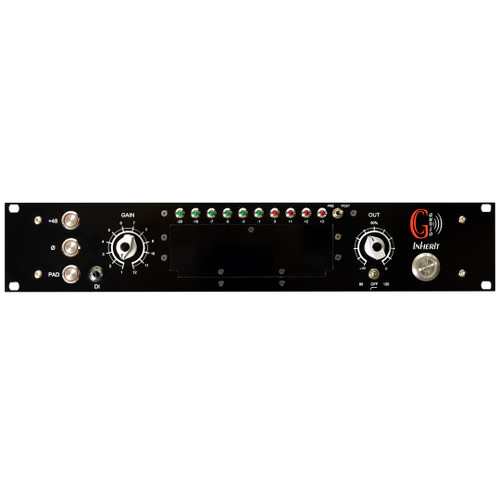


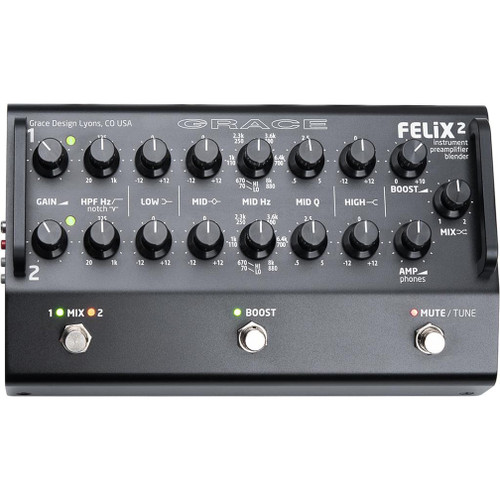


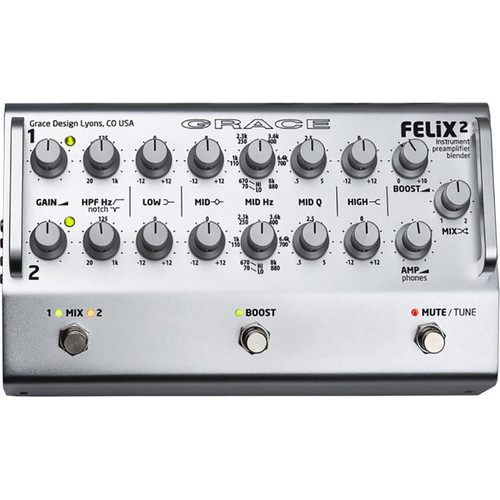
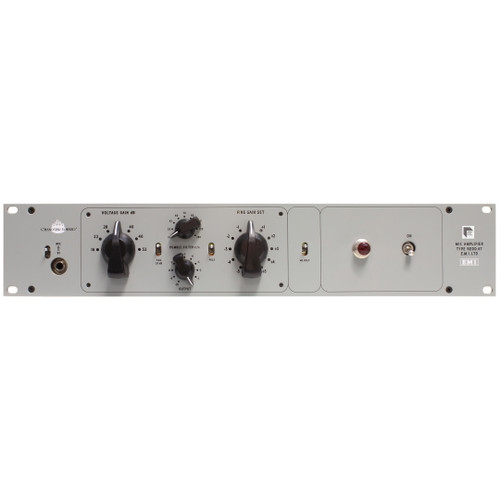


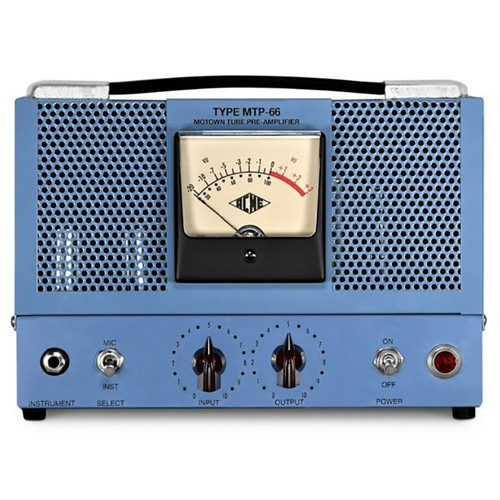


Single Channel Microphone Preamps at Front End Audio
Single Channel Microphone Preamps give recording engineers a dedicated front end for one microphone, instrument or line-level source, making them ideal for vocals, overdubs, acoustic instruments, bass, guitar and other critical tracks. Front End Audio carries Single Channel Preamps ranging from clean, transparent designs to transformer, discrete and tube-based circuits that intentionally add color and personality. Whether you are building one exceptional vocal chain, adding another tonal option to a commercial studio or upgrading beyond the preamps built into an interface, a dedicated single-channel preamp lets you choose the gain structure and character that best fit the source.
Choosing a Single Channel Microphone Preamp
The right Single Channel Microphone Preamp depends on the microphone, source and sound you want to capture. Available gain is important for lower-output dynamic and ribbon microphones, while condenser microphones require compatible phantom power. Other useful features can include variable input impedance, polarity reverse, high-pass filtering, pads, instrument inputs and separate input and output level controls. Beyond features, the circuit design matters because some preamps are engineered for transparency while others use transformers, tubes or discrete amplification stages to add harmonic character as gain is increased.
Clean and Transparent Microphone Preamps
Clean Microphone Preamps are designed to provide gain with minimal intentional coloration, making them useful when the goal is to preserve the character of the microphone, instrument and room. Transparent preamps are popular for acoustic instruments, classical recording, orchestral work, location sessions and detailed condenser microphones, but they can work on virtually any source where accuracy is the priority. A low-noise design with sufficient gain can also be especially useful with quieter sources and low-output microphones that require substantial amplification before reaching recording level.
Transformer and Discrete Preamps for Analog Character
Transformer-coupled and discrete Microphone Preamps are often chosen when engineers want the preamp itself to become part of the sound. Depending on the circuit, transformers and discrete amplification stages can introduce harmonic density, weight, transient character or saturation when driven harder. These designs are frequently used on vocals, drums, electric guitars, bass and other sources where the recording benefits from additional personality before reaching the converter. Many single-channel preamps also provide separate input gain and output level controls, allowing the amplification stage to be driven while keeping the final output level under control.
Tube Microphone Preamps
Tube Preamps use vacuum tubes within the amplification circuit and can range from relatively clean designs to processors capable of obvious harmonic coloration. Depending on the topology and operating level, a tube preamp may add density, smoothness or saturation to vocals and instruments without requiring additional processing later in the chain. Tube circuitry alone does not define how a preamp sounds, so the complete design, transformers, gain structure and operating levels should be considered rather than assuming every tube preamp delivers the same type of character.
Single Channel Preamps for Vocals
Vocals are one of the most common applications for a dedicated Single Channel Preamp because the microphone and preamp together establish much of the character captured at the beginning of the signal chain. A clean preamp can preserve the detail and transient response of the microphone, while a more colorful design can add weight, presence or harmonic character before the signal reaches the DAW. Engineers building a dedicated vocal chain may also combine the preamp with Single Channel Equalizers and Single Channel Compressors & Limiters when additional tonal or dynamic control is needed during tracking.
Instrument and DI Recording with a Mic Preamp
Many Single Channel Preamps include a high-impedance instrument input that allows electric guitar, bass, keyboards and other compatible sources to be recorded directly. This can provide a different front-end character from the instrument input built into an Audio Interface and may allow the signal to pass through the same transformer, tube or discrete amplification stages used by the microphone input. For bass and guitar in particular, a DI-equipped preamp can capture a strong direct signal for mixing, reamping or combining with a miked amplifier.
Gain for Dynamic and Ribbon Microphones
Low-output Dynamic Microphones and passive Ribbon Microphones can require considerably more gain than many condenser microphones, making preamp gain range and noise performance especially important. A dedicated Single Channel Preamp with ample clean gain can bring these microphones to a healthy recording level without requiring the interface preamp to operate near its limits. Some designs also offer selectable input impedance, which can change how certain microphones interact with the preamp and provide another useful tonal option when matching microphones to different sources.
Build a Dedicated Recording Chain
A Single Channel Preamp is often the foundation of a purpose-built recording chain. Start with the right Studio Microphone, use the preamp to establish gain and the desired amount of analog character, add EQ or compression when the recording calls for it, and send the finished signal to an Audio Interface or dedicated A/D Converter. Studios that need two matched channels can explore Dual Channel Preamps, while larger tracking systems are better served by Multi-Channel Preamps.

 Sign Up for exclusive sales and offers!