Guitar Pedals & Effects

Guitar Pedals & Effects at Front End Audio

Guitar Pedals & Effects give players an immediate way to shape tone before the signal reaches an amplifier, recording interface or the rest of the studio signal chain. Front End Audio carries everything from focused distortion, compression and modulation pedals to sophisticated Multi-Effects systems capable of handling large portions of a modern guitar rig. Whether you are building a compact pedalboard for recording, adding one specific sound to an established setup or replacing several individual effects with a programmable processor, the right pedal should fit both the tone you are chasing and the way you actually work with the instrument.

Choosing the Best Guitar Effects Pedals for Your Rig

The best Guitar Effects Pedals are the ones that solve a specific musical or workflow need rather than simply filling another space on the pedalboard. Start by deciding whether you need gain, ambience, dynamics, modulation, looping or routing, then think about where that effect belongs in the signal chain and how much control you want while playing. Individual pedals make it easy to build a highly personalized rig one effect at a time, while a multi-effects processor can provide presets, deeper routing and a large collection of sounds from one unit. Studio players should also consider stereo operation, MIDI control, direct-recording capabilities and how easily a pedal can be recalled between sessions.

Distortion, Overdrive and Fuzz Pedals for Guitar Tone

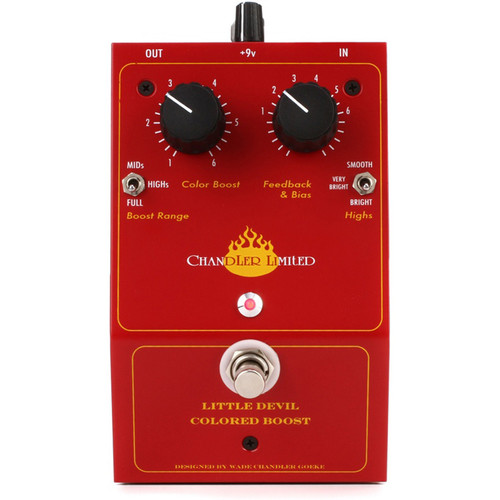
Distortion Pedals cover everything from subtle drive and amplifier-style breakup to aggressive distortion and fuzz. Overdrive is often used to push an existing amplifier or add touch-sensitive grit, while heavier distortion can create a much more pronounced change in gain structure and harmonic character. Fuzz takes the idea further with clipping textures that can become an obvious part of the instrument's identity. The RAT2 Distortion Pedal is a good example of a long-established gain pedal that can move from lighter drive into considerably more aggressive distortion. Rather than chasing labels alone, listen for how the pedal reacts to picking dynamics, guitar output level and the amplifier or recording chain that follows it.

Reverb and Delay Pedals for Space, Ambience and Creative Effects

Reverb & Delay Pedals can take a guitar from a simple room or slapback sound to huge ambient textures that become part of the arrangement itself. Delay creates distinct repeats that can be timed rhythmically, modulated or driven into more experimental feedback, while reverb simulates or creates acoustic spaces ranging from rooms and plates to much larger atmospheric effects. These pedals are particularly useful in the studio because ambience can become part of the performance rather than something added only during mixing. Stereo operation is worth considering when the guitar feeds two amplifiers, a stereo interface path or a larger ambient pedalboard where width is part of the sound.

Modulation, Compressor and EQ Pedals for Shaping Guitar

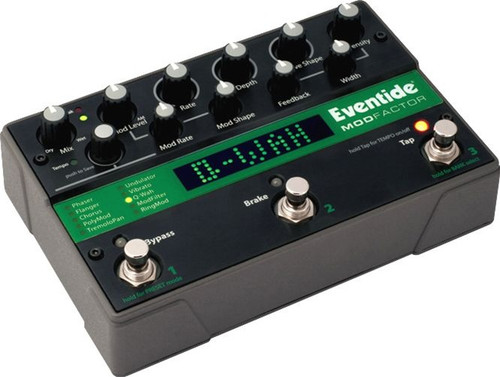
Not every effect needs to dominate the sound. Chorus Pedals and Flanger & Phaser Pedals add movement by altering the relationship between the original signal and a modulated version of it, while Compressor & EQ Pedals provide more fundamental control over dynamics and frequency balance. A compressor can even out peaks, add sustain or change the feel of the instrument under the fingers, while EQ can tighten low end, emphasize presence or help one guitar sit differently in an arrangement. These tools can be especially useful in recording rigs where a relatively small tonal adjustment before the interface can make the captured sound easier to work with.

Multi-Effects Pedals for Complete Guitar Processing Rigs

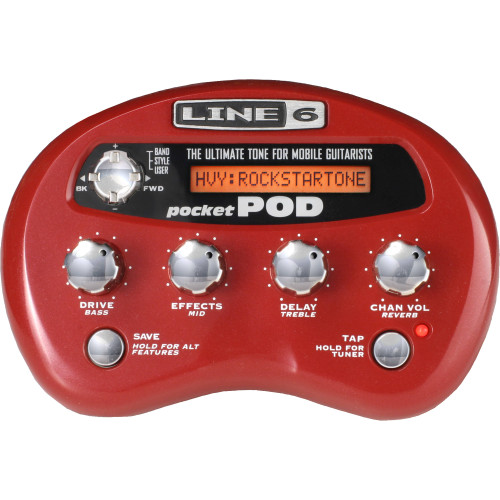
A modern Guitar Multi-Effects Processor can replace a substantial collection of individual pedals while adding preset recall, flexible routing and deeper control than a traditional pedalboard may provide. Eventide is especially relevant to Front End Audio's current selection, with products such as the H90 Harmonizer Multi-Effects Pedal combining multiple effects algorithms with extensive routing and performance control. FEA's current Multi-Effects category also includes floor and rack processors for players who want amp modeling and broad effects processing in a single system. These platforms make particular sense in hybrid studio and stage rigs where the same sounds need to be recalled accurately from one song or session to the next.

Looper, Wah, Volume and Guitar Switching Pedals

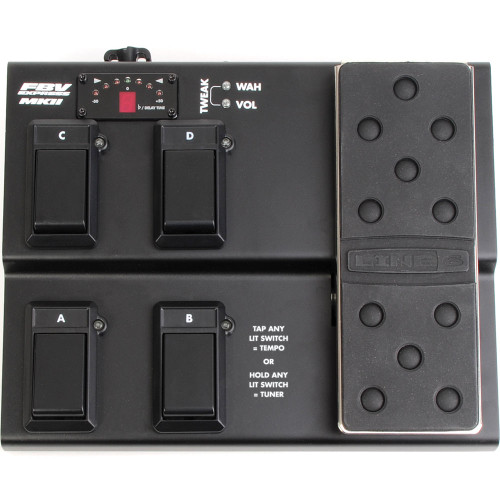
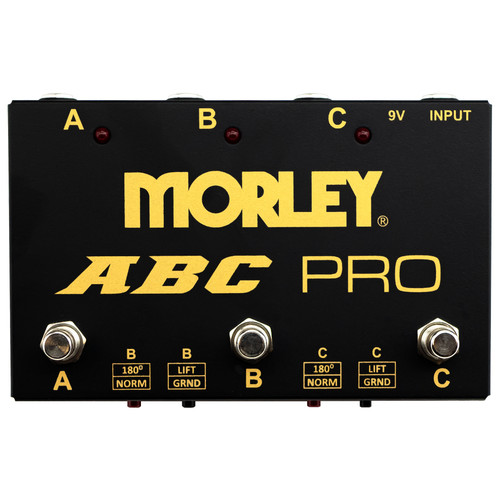
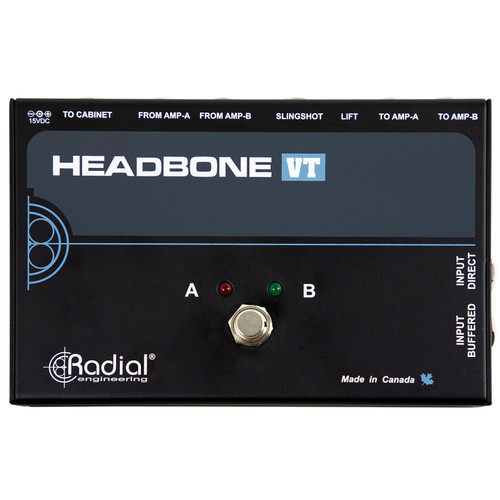
Some pedals are less about changing the basic tone and more about controlling how the rig behaves. Looper Pedals let musicians record and layer performances in real time, making them useful for songwriting, practicing and live arrangements. Wah & Volume Pedals provide hands-on expressive control, while Footswitch & Selector Pedals handle practical jobs such as amplifier switching, signal splitting and routing between different parts of a guitar system. These utility pedals become increasingly important as a rig grows because good routing can make several amplifiers and effects easier to manage without turning every session into a repatching exercise.

Build a Guitar Pedalboard for Studio Recording

A studio pedalboard should make it easy to reach the sounds you use most often while leaving enough flexibility to experiment when the track calls for something different. Think about gain staging, pedal order, mono versus stereo operation, power requirements and whether certain sounds need MIDI or preset recall before deciding how many individual effects belong in the system. Pedals can feed a traditional Guitar Amplifier and microphone chain, or they can become part of a direct recording setup feeding an Audio Interface. Front End Audio can help you sort through individual pedals, multi-effects processors and routing tools around the way you actually record and play. Give us a call at 888-228-4530 if you want help putting together a guitar effects setup that makes sense from the instrument all the way to the recording chain.