

Studio Effects


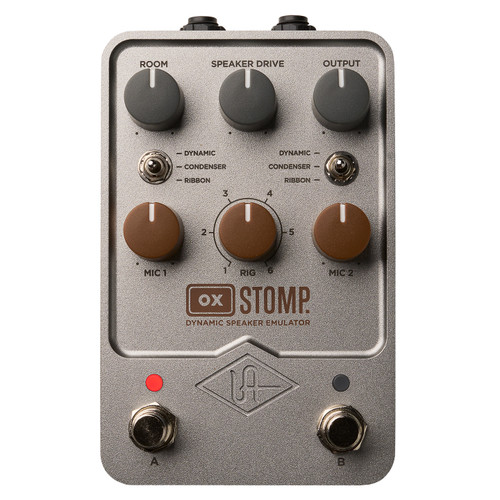
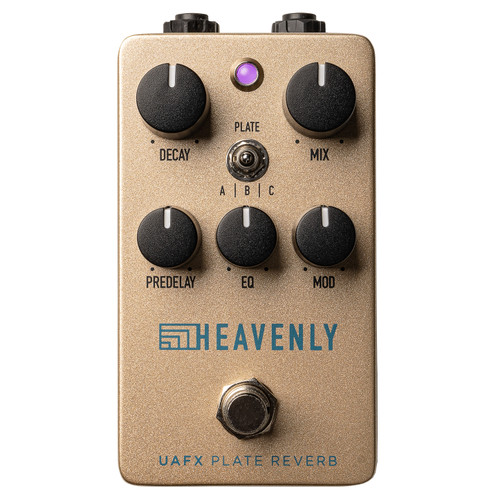
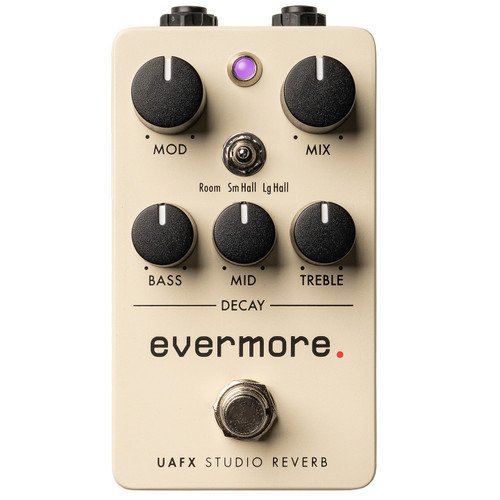


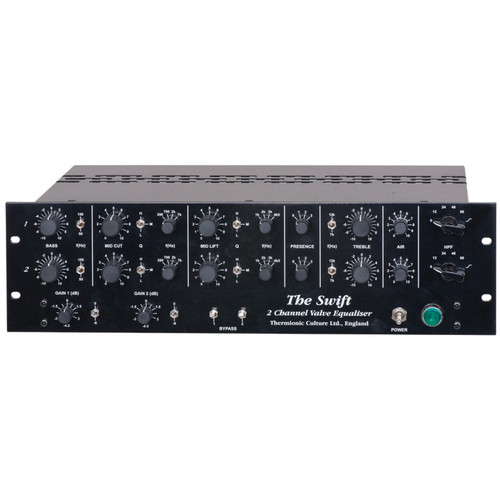


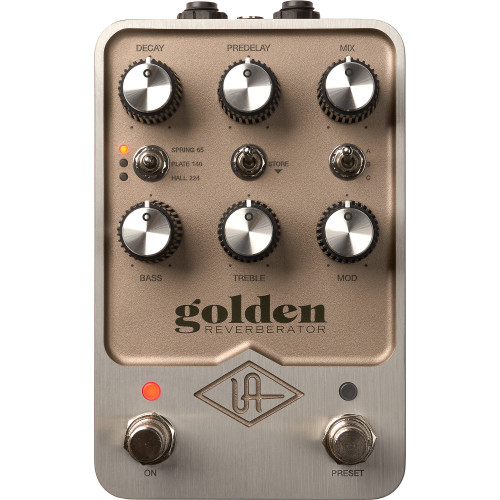



Studio Effects Processors at Front End Audio
Studio Effects Processors give recording and mixing engineers creative control over space, depth, movement and texture. Front End Audio carries Reverbs & Delays, Multi-Effects Processors and other professional hardware for adding ambience, echo, modulation and creative signal processing to individual tracks, buses and complete mixes. From precision digital effects to tape echo, spring reverb and character-driven analog processors, dedicated hardware effects provide hands-on control and another way to shape a production beyond conventional EQ and dynamics.
Reverb & Delay for Space, Depth and Movement
Reverbs & Delays are among the most widely used studio effects because they change the perceived environment and dimensional placement of a sound. Reverb can create anything from short rooms and plates to large halls and atmospheric spaces, while delay can provide slapback, doubling, rhythmic repeats and evolving echoes. Hardware processors range from clean digital systems to tape and spring-based designs with their own distinctive character, giving engineers options for both natural ambience and effects that become an obvious part of the production.
Multi-Effects Processors for Flexible Studio Processing
Multi-Effects Processors combine several processing types within one hardware system, allowing engineers to create complex combinations of reverb, delay, modulation, pitch effects and other algorithms. High-end systems can provide extensive routing, multiple simultaneous effects and recall for demanding recording, mixing, post-production and live workflows. A Multi-Effects Processor can be especially useful when one piece of hardware needs to handle several creative roles rather than dedicating separate rack units to every effect.
Tape Echo, Spring Reverb and Character Effects
Some Studio Effects are chosen as much for their analog character as for the basic effect they create. Tape Echo can add saturation, tonal changes and instability as repeats decay, while Spring Reverb provides a distinctive physical ambience associated with classic studio and guitar sounds. Chorus and other modulation processors can add movement, width and animation to vocals, guitars, keyboards and stereo sources. These designs are useful when the effect itself should contribute personality rather than simply simulate an acoustically perfect environment.
Studio Effects for Vocals, Instruments and Mixes
Effects processing can serve very different roles depending on the source. Vocals may use plates, chambers or tempo-based delays for depth, guitars and keyboards can benefit from echo, chorus and modulation, and drums can use short ambience or more extreme processing for character. Effects returns can also be shaped with Equalizers and Compressors & Limiters, giving engineers control over the tone and dynamics of the effect separately from the original source.
Hardware Effects in a Hybrid Studio
Hardware Studio Effects can integrate naturally with a modern DAW through an Audio Interface or dedicated converter with available analog or digital I/O. Tracks or buses can be sent from the DAW into the processor and returned to separate inputs for mixing, allowing the hardware to function much like an external plug-in. Studios built around Studio Consoles can use traditional auxiliary sends and returns to achieve the same workflow while keeping the effects available to multiple channels.
Build a Complete Creative Processing Chain
Studio Effects become even more flexible when they are combined with other forms of analog processing. Use Saturators & Enhancers when an effect return needs additional harmonic color or texture, Equalizers to shape the frequency range of the effect, and Compressors & Limiters to control its envelope and dynamics. Engineers looking for maximum flexibility can combine these processors with Multi-Effects Processors to build creative chains that move well beyond basic reverb and delay.

 Sign Up for exclusive sales and offers!