

Reverbs & Delays
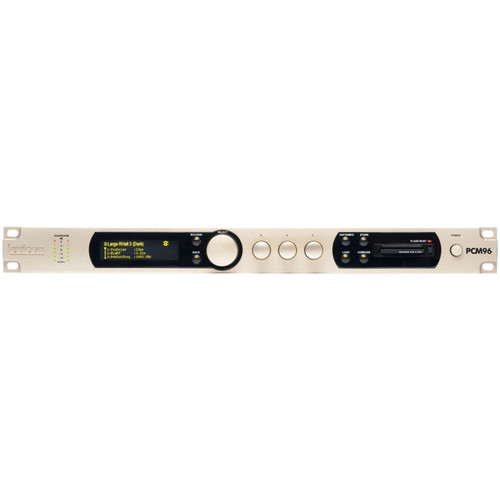
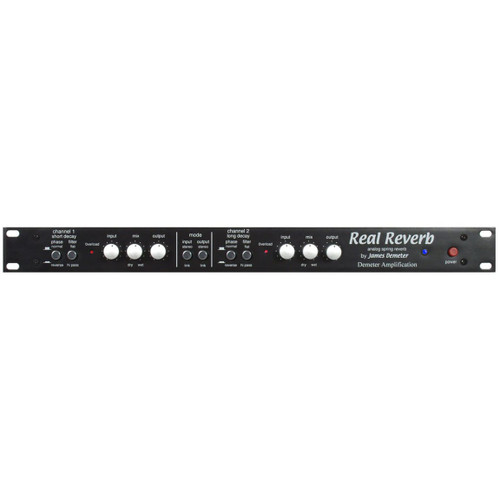

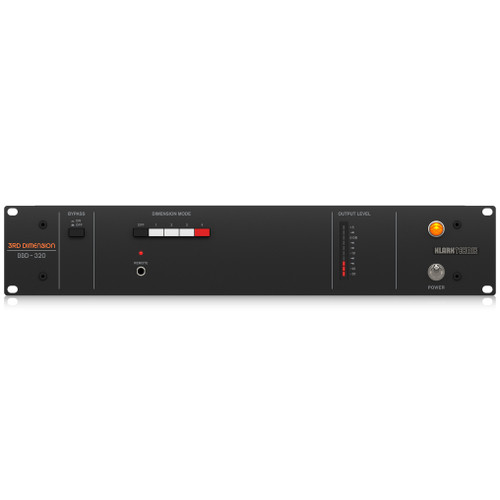


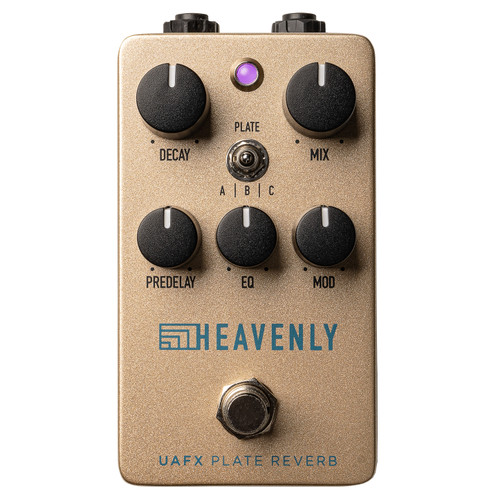
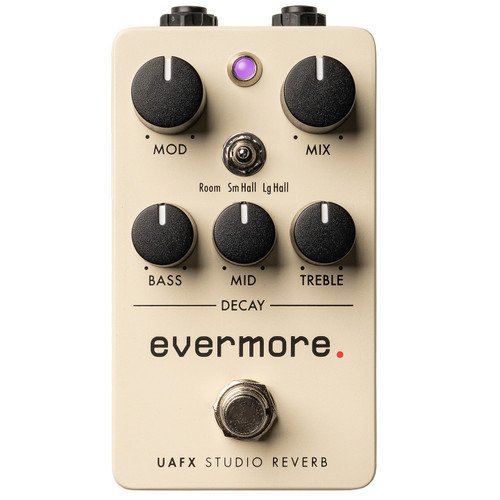


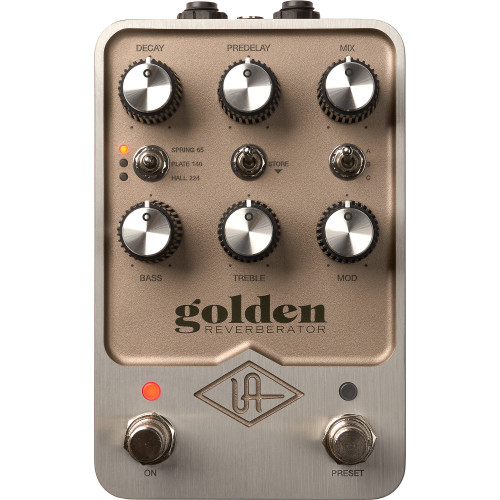

Reverb & Delay Processors at Front End Audio
Reverb & Delay Processors give recording and mixing engineers control over space, depth, ambience and movement, allowing a dry signal to become anything from subtly dimensional to dramatically transformed. Front End Audio carries hardware Reverb & Delay Processors ranging from professional digital reverbs and multi-effects systems to tape echo, spring reverb and modulation-based processors for tracking, mixing and creative production. Whether you are building natural room ambience around a vocal, creating long atmospheric delays, adding vintage echo to guitars or using modulation to give a source more width and motion, dedicated hardware effects provide hands-on control and a distinct alternative to working entirely with plug-ins.
Choosing a Reverb or Delay Processor
The right effects processor depends on whether you need realistic ambience, rhythmic repeats, vintage coloration or a broader collection of creative effects. Reverb processors can create rooms, halls, chambers, plates and other acoustic spaces, while delay processors repeat the source with control over timing, feedback and tone. Some hardware specializes in one specific effect or analog-style character, while Multi-Effects Processors combine reverb, delay, modulation, pitch shifting and other algorithms in one system. Consider routing, analog and digital I/O, stereo operation, presets, MIDI control and recall when choosing hardware for a professional studio workflow.
Hardware Reverb for Vocals and Instruments
Reverb is one of the primary tools engineers use to create a sense of environment around vocals and instruments. Short rooms can add dimension without pushing a source far back in the mix, plates can bring density and sustain to vocals and drums, while halls and chambers can create larger and more dramatic spaces. Hardware reverb can be used through an aux send during mixing or incorporated into a tracking workflow when performers benefit from hearing ambience in their cue mix. Pairing reverb with the right Studio Microphones and recording chain gives engineers control over both the natural sound captured at the source and the artificial space added later.
Delay and Echo for Depth, Rhythm and Movement
Delay can create everything from subtle doubling and slapback to tempo-synchronized repeats and long evolving echoes. Short delays can increase perceived width or add depth without the wash of a long reverb, while rhythmic delays can become an important part of the arrangement itself. Feedback controls determine how many repeats continue after the original sound, while filtering and modulation can make each repeat progressively darker, brighter or less stable. Delay is especially effective on vocals, guitar, keyboards and percussion where a sense of rhythm or movement needs to remain distinct from traditional ambience.
Tape Echo and Analog-Style Delay
Tape Echo uses a recording and playback system based around magnetic tape, creating repeats that can change as the tape, electronics and feedback path interact. Modern hardware can range from true tape-based systems to processors designed around the sound and behavior associated with classic tape echo. The appeal is often in the imperfections: repeats can soften, saturate and change tonally as they decay, producing a character very different from perfectly clean digital delay. Tape Echo works especially well on vocals, guitars, keyboards and percussion where the delay itself should become part of the tone.
Spring Reverb and Character Effects
Spring Reverb creates ambience through a physical spring system and has a distinctive metallic, lively response that became closely associated with guitar amplifiers, dub production and vintage studio effects. Dedicated hardware can use spring reverb by itself or combine it with echo and other processing for more complex textures. Unlike a processor designed primarily to recreate a realistic acoustic room, Spring Reverb is often chosen specifically because its character is recognizable, making it useful when the effect should contribute personality rather than disappear into the background.
Reverb & Delay for Vocal Production
Vocals often use a combination of reverb and delay rather than relying on one effect alone. A short plate or room can provide space around the singer, while a tempo-based delay can add depth without obscuring the words. Longer delays can be automated for individual phrases or used as throws at the ends of lines, giving the mix movement while leaving the center vocal relatively dry. These effects can complement dynamics processing from Compressors & Limiters and tonal shaping from Equalizers to create a complete vocal processing chain.
Reverb & Delay for Guitar and Instruments
Guitar, keyboards, synthesizers and other instruments can use Reverb & Delay as subtle support or as a major creative effect. Slapback delay can give guitar additional dimension, longer echoes can create rhythmic patterns, and reverb can place an otherwise dry instrument into a convincing acoustic environment. Studio processors also allow effects to be shared across several tracks through console or DAW sends, making one hardware unit available to multiple sources without permanently printing the effect during recording.
Modulation, Chorus and Creative Effects
Many Reverb & Delay Processors extend beyond conventional ambience and echo by incorporating chorus, flanging, modulation or pitch-based processing. Modulation can introduce movement into delay repeats, widen a stereo source or create more obvious vintage-style effects. Current hardware in this area ranges from dedicated chorus processors to advanced digital systems that can combine several effects within complex routing structures. Engineers who want a larger collection of algorithms in one processor can explore Multi-Effects Processors for additional modulation, pitch and creative processing options.
Hardware Effects in a Hybrid Studio
Hardware effects can integrate easily with a modern DAW when the studio has sufficient analog or digital I/O. An Audio Interface or converter sends the source to the effects processor, and the processed signal returns to the DAW on a separate input or stereo pair. This allows Reverb & Delay hardware to function much like an external plug-in while retaining the controls, circuitry and workflow of dedicated equipment. Studios built around Studio Consoles can also use aux sends and returns to integrate effects in a more traditional analog workflow.
Reverb, Delay and Analog Color
Effects processing can also work alongside Saturators & Enhancers when a mix needs both spatial processing and additional harmonic character. Saturation before a delay can change the tone of the repeats, while processing a reverb return with saturation, compression or EQ can make the ambience sit differently around the source. Combining effects with Equalizers and Compressors & Limiters gives engineers much more control over the frequency balance, envelope and texture of the effect return itself.
Build a Complete Hardware Effects Setup
Reverb & Delay Processors work best when the studio has a flexible way to route signals to and from the hardware. Use an Audio Interface or console with enough available I/O to create dedicated sends and returns, choose Multi-Effects Processors when one unit needs to handle several different types of processing, and explore Saturators & Enhancers when harmonic color and analog texture are just as important as space and movement. This creates a flexible hardware effects chain that can serve individual tracks, buses or complete mixes depending on the session.

 Sign Up for exclusive sales and offers!