

500-Series Processors





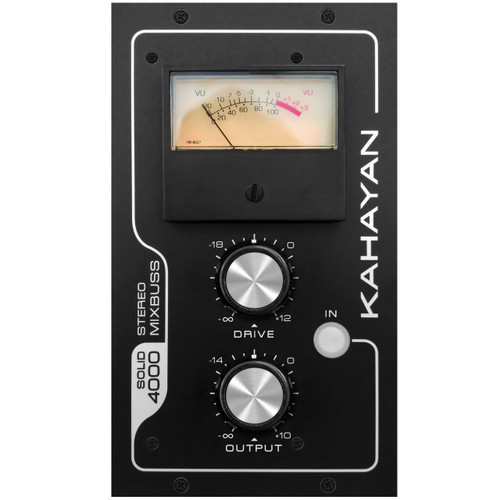


500-Series Processors at Front End Audio
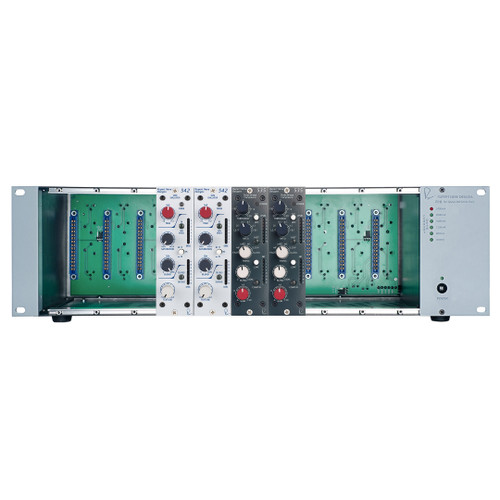
Some of the most interesting 500-Series gear lives outside the familiar preamp, compressor and equalizer categories. 500-Series Processors give engineers access to saturation, tape emulation, stereo imaging, Mid/Side processing, parallel processing, summing and other specialized analog tools in the same compact modular format. Front End Audio carries processors designed for tracking, mixing and mastering workflows where conventional dynamics and EQ are only part of the picture. These modules can add color, reshape spatial information, create harmonic texture or solve very specific routing and processing needs without committing valuable rack space to another full-size piece of hardware. For engineers building a modular analog toolbox, specialty processors are often where a 500-Series rack starts becoming much more than a collection of basic recording channels.
Best 500-Series Processors for Adding Analog Color and Saturation
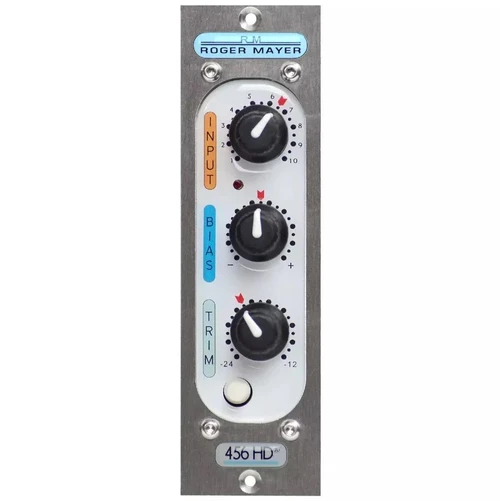
The best 500-Series processor for adding character depends on what you mean by “color.” Some modules are designed to introduce tube, transformer or tape-inspired harmonic behavior, while others let you push a signal into more obvious saturation and distortion. A tape emulator can be useful when you want additional density, transient softening or harmonic texture without working with an actual tape machine, while dedicated saturators and harmonic processors can move from subtle enhancement to clearly audible coloration. These tools can work on vocals, bass, guitars and drums during tracking, but they can be just as useful across buses or stereo mixes when you want to give an otherwise clean digital production a little more personality. If you are building a broader analog processing setup, our Saturators & Enhancers category is also worth exploring for full-size and other studio-processing options.
500-Series Stereo Imaging and Mid/Side Processing for Mixing
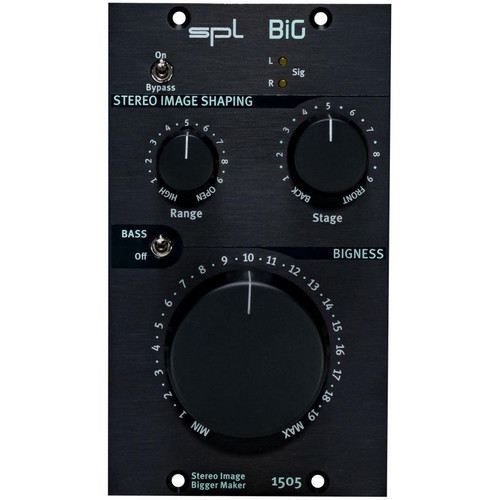
Stereo image processors and Mid/Side tools can be especially powerful in hybrid mixing and mastering setups because they approach a stereo signal differently than standard left/right processing. Mid/Side processing separates information in the center of the stereo image from information toward the sides, opening up possibilities for changing width, balancing spatial information or processing central and ambient material independently. Other 500-Series stereo processors are designed specifically for image shaping, blending or parallel signal manipulation. These are not necessarily processors you reach for on every session, but when a mix needs more depth, width or control over its spatial presentation, they can solve problems that a traditional EQ or compressor may not address as directly. The key is to use them as deliberate mix tools rather than treating “wider” as automatically better.
Creative 500-Series Effects and Specialty Modules for Hybrid Studios
The 500-Series format has expanded well beyond its original role as a home for console-style preamps and channel electronics. Today, specialty modules can handle tasks such as chorus, parallel effects blending, bass resonance shaping, headphone monitoring, summing, reamping and other signal-routing or creative duties. That makes 500-Series gear especially useful in a hybrid studio, where hardware is often being patched in and out of a DAW depending on the session. A specialized module may only solve one particular problem, but that can be exactly why it earns a permanent place in the rack. Rather than trying to make every processor do everything, experienced engineers often build systems around a handful of tools that each bring something distinct to the workflow. You can browse the wider range of 500-Series Modules when you want to combine these specialty processors with preamps, compressors, EQs and channel strips.
Building a 500-Series Mixing and Mastering Rack
A well-planned 500-Series rack can become a remarkably capable analog mixing system. You might combine a stereo compressor and EQ with a tape emulator, saturation module and stereo image processor, giving you several different ways to shape a mix or bus without leaving one compact chassis. Other engineers build racks around tracking first and then add specialty processors as the system grows. Either approach works, but it helps to think about how many channels you need, whether stereo operation is important, how the hardware will be connected to your interface or patchbay, and which processors genuinely add something you cannot already accomplish efficiently elsewhere. Every module also needs a compatible chassis, so the rack itself matters. Our 500-Series Power Supplies provide options for compact systems as well as larger modular setups with room to expand.
Choosing the Best 500-Series Signal Processor for Your Studio
Choosing the best 500-Series signal processor is less about finding the most impressive feature list and more about identifying what is missing from your existing setup. If your recordings already have plenty of clean gain and precise EQ, a tape emulator or saturation module may add a useful new tonal option. If your work is heavily focused on mixing or mastering, Mid/Side processing, stereo image control or parallel-processing tools may make more sense. And if your rack already handles the traditional jobs well, a specialty processor can give you a creative option that is difficult to duplicate with the gear you already own. Front End Audio has been helping studios put together analog recording systems since 2003, and our non-commissioned team can help you think through how a module will actually fit into your signal chain before you fill the next empty slot. Call us at 888-228-4530 and we'll be happy to help you narrow down the right 500-Series processor for the way you work.

 Sign Up for exclusive sales and offers!