

Subwoofers
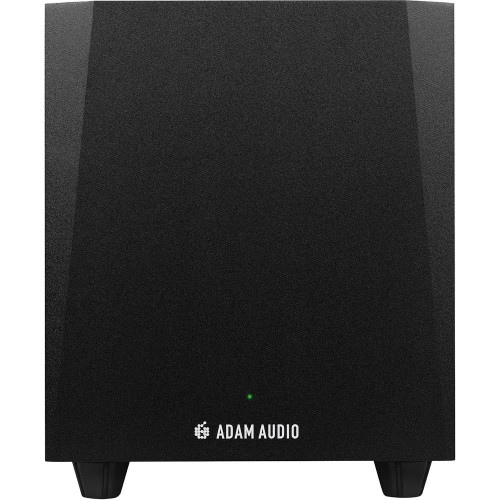


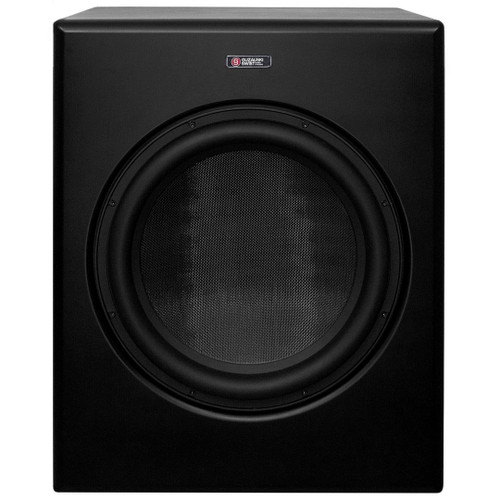


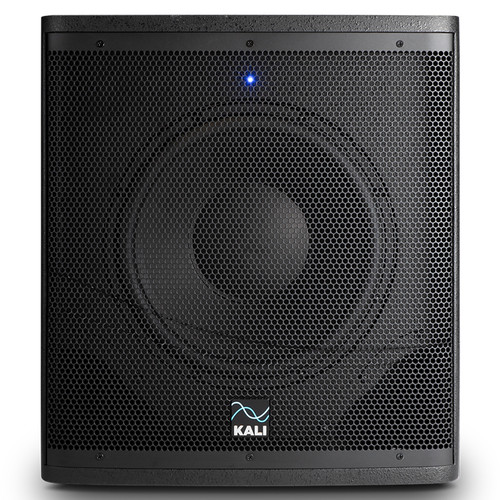


Choosing a Studio Subwoofer
The right Studio Subwoofer depends on the size of the room, the main monitors being used and how much low-frequency output the system needs to produce. Smaller subs can be a practical match for compact nearfield monitors, while larger professional systems provide the additional output and extension required in bigger rooms or higher-SPL environments. Frequency range, maximum output, crossover options, input and output connectivity, phase adjustment and level control should all be considered when matching a subwoofer to the rest of the monitoring system.
Matching a Subwoofer with Studio Monitors
A subwoofer should extend the response of the main Studio Monitors rather than compete with them. Proper crossover frequency, level and phase alignment help the monitors and sub work together as one system, creating a smooth transition through the low end instead of an exaggerated bass response. The goal is not simply to hear more bass, but to extend the monitoring range in a controlled way so low-frequency decisions translate accurately to other playback systems.
Subwoofer Placement and Room Interaction
Low frequencies interact strongly with room dimensions, walls and listening position, which makes subwoofer placement especially important. Moving a subwoofer even a relatively short distance can change the way bass is distributed through the room, so setup should be based on measurement and listening rather than convenience alone. Speaker placement and Acoustic Treatment remain the foundation of a reliable monitoring environment, while Room Correction and Monitor Calibration systems can help measure and refine the final response at the listening position.
DSP Subwoofers and Monitor Calibration
Many modern Studio Subwoofers include DSP for crossover control, delay, level matching and system alignment, and some can integrate directly with manufacturer-specific monitor calibration platforms. These systems can simplify the process of aligning the subwoofer with the main speakers and may also support room measurement, bass management and multi-speaker configurations. DSP-based subwoofers can be especially useful in professional monitoring systems where accurate alignment between the main speakers and low-frequency extension is critical.
Studio Subwoofers for Stereo, Surround and Immersive Monitoring
Subwoofers are used in more than traditional stereo monitoring. Professional systems may include dedicated bass management for surround and immersive formats, allowing low-frequency content from multiple channels to be routed and managed as part of a complete speaker system. These capabilities can be especially important in post-production, broadcast and immersive music studios where the monitoring system must handle both full-range channels and dedicated low-frequency effects.
Build a Complete Low-Frequency Monitoring System
A Studio Subwoofer works best when it is treated as part of the entire monitoring chain. Start with Studio Monitors that fit the room and listening distance, add a subwoofer that provides the output and extension your system needs, and use Room Correction when additional measurement and calibration are required. A Monitor Controller can provide centralized level, source and speaker management when the studio uses multiple monitoring paths or needs dedicated subwoofer control. Properly matching and calibrating these components creates a monitoring system that gives you useful low-frequency extension without losing perspective on the rest of the mix.

 Sign Up for exclusive sales and offers!