

Monitors





Studio Monitors at Front End Audio
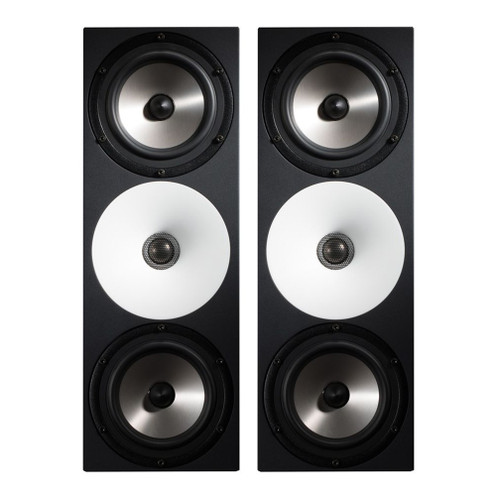
Studio Monitors are the reference point for nearly every decision made during recording, mixing and mastering, so choosing the right monitoring system deserves more thought than simply picking a speaker size or price range. Front End Audio carries Active Studio Monitors, Passive Studio Monitors, Studio Subwoofers and complete Multi-Speaker Systems for everything from compact production rooms to professional tracking, mixing and mastering facilities. The goal is not to find a speaker that makes every recording sound flattering. A useful studio monitor should give you a consistent reference that helps you hear balance, dynamics, imaging, low-frequency content and the small decisions that determine whether a mix translates beyond your own room.
Choosing the Best Studio Monitors for Mixing and Recording
The best Studio Monitors for your room are the ones that make sense for the listening distance, room volume, working level and type of production you actually do. A compact nearfield can be an excellent choice when you are working close to the speakers in a smaller room, while a larger monitor may provide the output, low-frequency extension and headroom needed for a larger control room or more demanding playback levels. Driver size is only part of that decision. Cabinet design, crossover implementation, directivity, amplification, DSP and how the speaker interacts with the room can matter just as much. We recommend choosing monitors around the complete listening environment rather than assuming that a larger woofer or more expensive speaker automatically makes it a better fit for your studio.
Active vs. Passive Studio Monitors: Which Fits Your Studio?
Active Studio Monitors have become the most common choice in modern studios because the amplification and crossover are designed as part of the speaker system, giving you a straightforward path from the interface or monitor controller to the monitors. Passive systems take a more modular approach and require a separate Studio Amplifier, but that flexibility remains attractive in mastering rooms and studios built around particular passive loudspeaker designs. Neither format should be treated as inherently more professional. The better question is whether you want an integrated powered system or prefer the ability to choose and service the amplifier and loudspeaker independently. In either case, amplifier capability, speaker sensitivity, room size and listening level all need to make sense together.
Nearfield Studio Monitors, Room Size and Listening Distance
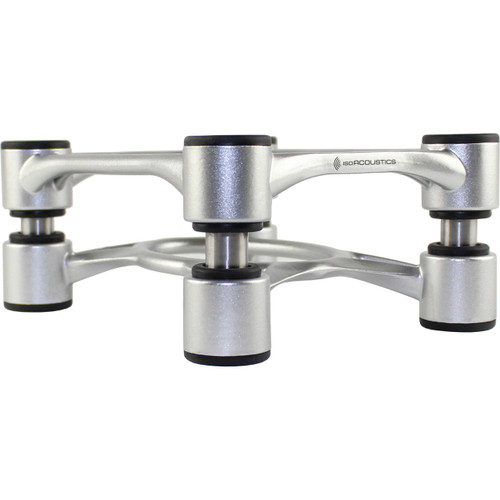
Nearfield Studio Monitors are designed to be heard relatively close to the listening position, which is one reason they work so well in home studios, project rooms and professional control rooms where the engineer sits only a few feet from the speakers. Moving to a larger monitor does not automatically improve accuracy if the room and listening distance cannot support it. Speaker placement relative to the front wall, side walls, desk and listening position can significantly affect what you hear, especially through the low mids and bass. Proper Monitor Stands & Isolation can help establish a stable position and reduce unwanted interaction with the desk or supporting furniture, but speaker placement and room acoustics still need to be considered as part of the monitoring system rather than afterthoughts.
Studio Monitor Subwoofers and Low-Frequency Extension
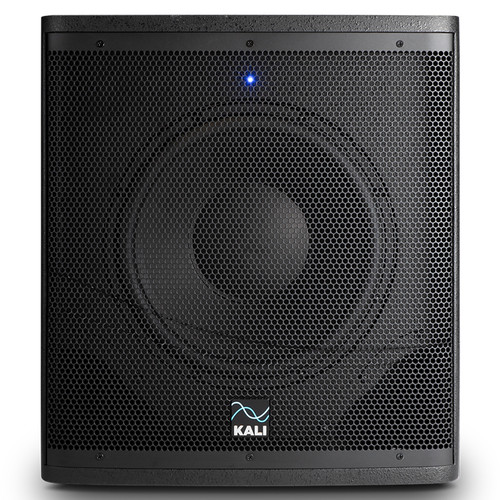
A Studio Subwoofer can extend the low-frequency range of a monitoring system when the main speakers and room are capable of supporting it, but adding a sub is not simply about getting more bass. Crossover frequency, level, phase, placement and the acoustics of the room all affect whether the subwoofer integrates naturally with the main monitors. For electronic music, film, post-production and other work where deep low-frequency information matters, that additional extension can be extremely useful. In a smaller untreated room, however, adding more low end can make existing acoustic problems easier to hear rather than easier to solve. The right approach is to treat the subwoofer as another part of the reference system and calibrate it accordingly.
DSP Studio Monitors, Room Correction and Monitor Calibration
DSP Studio Monitors have become increasingly sophisticated, with some systems using digital processing for crossover control, driver alignment, response adjustment and measurement-based calibration. Genelec is a major example in this category, with its Smart Active Monitoring systems offering integrated calibration and networked control across monitors and subwoofers. Neumann also offers an extensive range of DSP-enabled KH monitors and compatible alignment tools for studios that want a more integrated approach to speaker and room optimization. These technologies can be extremely useful, but they work best alongside good placement and sensible room acoustics rather than as substitutes for them. Dedicated Room Correction systems can provide another path when the monitors themselves do not include a complete calibration platform.
Monitor Controllers, Speaker Switching and Professional Studio Workflow
Once a studio uses more than one source or monitoring system, a dedicated Monitor Controller becomes an important part of the workflow. A good controller puts precise level adjustment, source selection, speaker switching, mute, dim and other monitoring functions within easy reach rather than forcing those decisions through software. This becomes especially useful when comparing a main monitor system with a smaller alternate reference or moving between stereo and more complex monitoring configurations. Front End Audio also carries Monitor Accessories for supporting and integrating these systems. The controller should remain transparent enough that you trust what reaches the speakers while making the monitoring process faster and easier to manage.
Build a Professional Studio Monitoring System You Can Trust
A serious monitoring setup is more than a pair of speakers. The monitors, listening position, room acoustics, controller, stands, subwoofer and calibration all interact, and improving one part of the system without considering the others can produce disappointing results. Start with the room and listening distance, choose monitors that operate comfortably in that environment, position them carefully and then decide whether additional low-frequency extension, alternate speakers or room correction genuinely improve the reference. Front End Audio has been helping recording, mixing and mastering studios build professional monitoring systems since 2003, and our non-commissioned team can help you think through the complete setup instead of simply recommending the largest or most expensive speakers. If you are choosing monitors for a new room or upgrading an existing reference system, call us at 888-228-4530 and we'll help you put together a monitoring system that fits the way you work.

 Sign Up for exclusive sales and offers!