

Multi-Speaker Systems


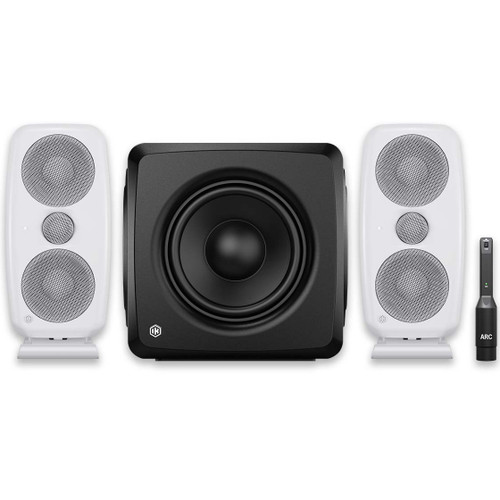
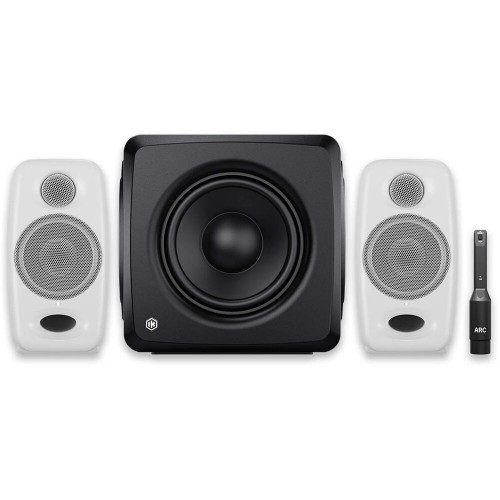
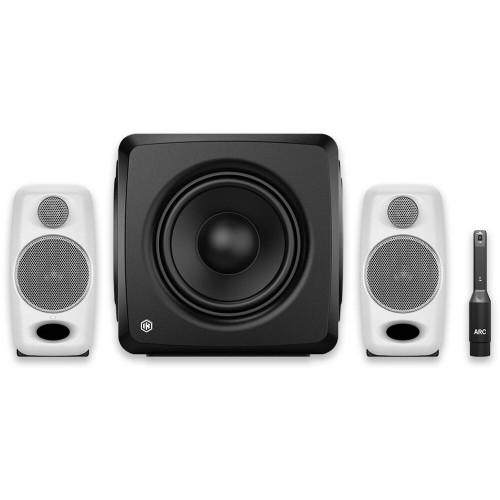





Studio Monitor Systems at Front End Audio
Studio Monitor Systems bring the major pieces of a monitoring setup together so the speakers, subwoofer and system architecture are designed to work as a cohesive reference rather than a collection of unrelated components. Front End Audio carries complete monitoring systems for stereo production, 2.1 setups, surround mixing, broadcast and immersive audio, with options ranging from compact nearfield packages to multi-speaker systems for professional control rooms and post-production environments. A matched system can simplify decisions around speaker voicing, low-frequency integration and expansion while giving engineers a consistent reference across every channel. Whether you are moving beyond a basic stereo pair or building an immersive room from the ground up, the goal is the same: create a monitoring environment that lets you make confident decisions about balance, imaging, depth and translation.
Choosing the Best Studio Monitor System for Mixing and Production
The best Studio Monitor System depends first on the work you actually do. A music producer working primarily in stereo may need nothing more than an accurate pair of nearfields, while a room handling bass-heavy production can benefit from a carefully integrated 2.1 system. Film, television, game audio and immersive music production introduce additional channels and much more demanding requirements for speaker matching, placement, level alignment and calibration. Room size and listening distance matter just as much as channel count; adding more speakers does not automatically create a better monitoring environment if the room cannot accommodate them properly. Start with the playback formats you need to support, then choose a system with the speaker count, low-frequency extension and calibration capabilities required to reproduce those formats reliably.
2.1 Studio Monitor Systems with a Subwoofer
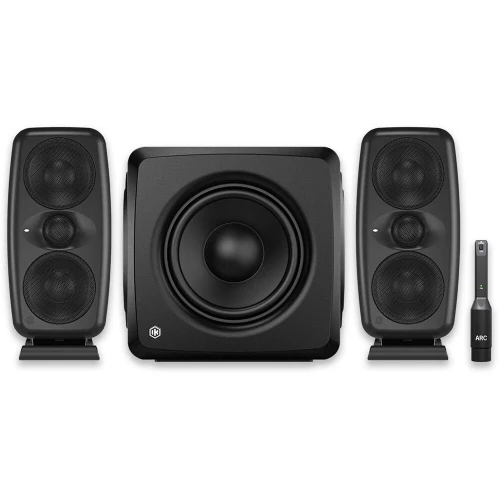
A 2.1 Studio Monitor System adds a dedicated subwoofer to the familiar left-and-right speaker arrangement, extending low-frequency reproduction while allowing the main monitors to concentrate on the range above the crossover point. This can be especially useful for electronic music, hip-hop, film work and other productions where information below the practical range of compact nearfields matters. The important part is integration, not simply adding more bass. Crossover frequency, subwoofer level, phase, placement and room behavior all determine whether the system works as one reference or sounds like a pair of speakers with a separate subwoofer attached. IK Multimedia is particularly relevant here with complete iLoud 2.1 monitoring bundles that combine matched monitors, a dedicated subwoofer and integrated calibration tools, giving smaller studios a more coordinated path into full-range monitoring.
Surround Sound Studio Monitors for Film, Post and Broadcast
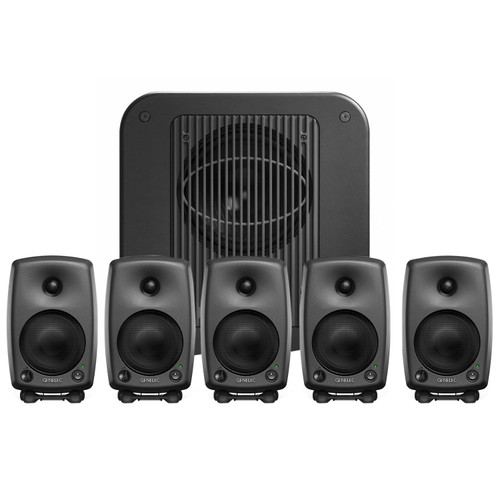
Surround monitoring moves beyond a conventional stereo image by placing additional speakers around the listening position, which changes both the creative possibilities and the amount of system planning required. 5.1 and larger surround systems are widely associated with film, television, post-production and broadcast workflows where engineers need to place dialogue, effects, ambience and music within a multi-channel sound field. Matching between speakers becomes especially important because sounds may move from one position to another, and obvious tonal differences between channels can make those transitions difficult to judge. A dedicated Monitor Controller with the appropriate channel count can also become an important part of these systems, providing level control, muting, source management and speaker control without forcing critical monitoring decisions through a collection of unrelated software controls.
Immersive Audio Monitoring Systems for Dolby Atmos Production
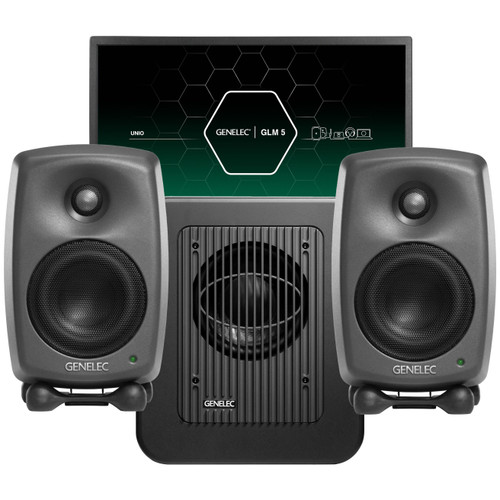
Immersive audio expands the monitoring environment vertically as well as horizontally, with formats such as 7.1.4 using ear-level speakers, a dedicated low-frequency channel and overhead monitors to create a three-dimensional sound field. Building an immersive monitoring system requires more than simply adding speakers to the room. Speaker placement, level matching, delay alignment, bass management and room calibration all become increasingly important as channel count rises. Genelec is especially strong in this area and dominates Front End Audio's current Multi-Speaker Systems assortment, with Smart Active Monitoring packages designed around stereo, triple-speaker, 5.1 and other multi-channel configurations. Genelec's networked SAM ecosystem is particularly useful in larger systems because compatible monitors and subwoofers can be managed and calibrated as part of one monitoring environment rather than adjusted independently.
Monitor Calibration and Room Correction for Multi-Speaker Systems
Calibration becomes increasingly important as more speakers are added to a monitoring system. A stereo pair already needs appropriate placement and level matching, but surround and immersive setups add differences in distance, timing, channel level and low-frequency interaction across many positions in the room. Measurement-based calibration can help align those elements, while dedicated Room Correction systems provide another layer of control when the monitors do not include their own complete calibration platform. These tools are most effective when they refine a room that has already been approached sensibly with proper speaker placement and acoustic treatment rather than being expected to compensate for every physical problem in the space. A calibrated system should help every speaker contribute to one coherent listening environment instead of drawing attention to individual channels.
Build a Stereo, Surround or Immersive Monitoring System That Works as One
The biggest challenge with a multi-speaker monitoring setup is not buying enough speakers; it is making all of them operate as a consistent reference. Speaker voicing, subwoofer integration, room acoustics, monitor control, calibration and listening geometry all need to be considered together. Complete systems can simplify that process because key components are already selected to work within the same monitoring ecosystem, but the room and intended playback format still determine how the system should be configured. Front End Audio has been helping recording, mixing and mastering professionals build monitoring systems since 2003, and our non-commissioned team can help you work through stereo, 2.1, surround and immersive configurations before you commit to a room full of speakers. If you are planning a new multi-channel monitoring system or expanding an existing stereo setup, give us a call at 888-228-4530 and we can help you make sure the complete system makes sense.

 Sign Up for exclusive sales and offers!