

Active Studio Monitors
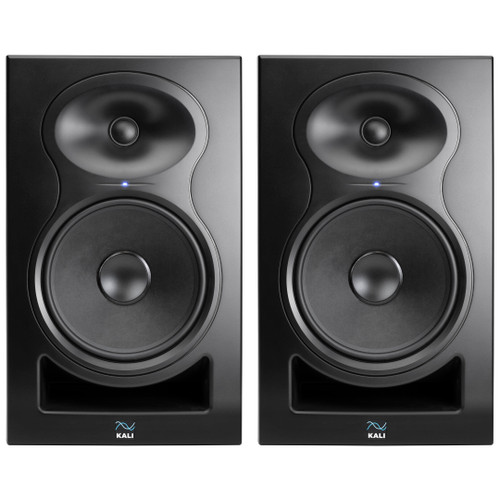


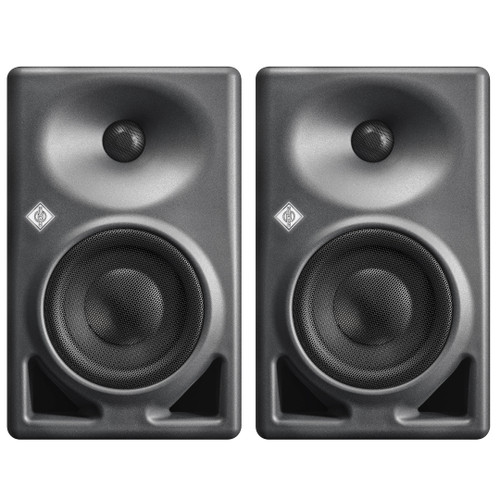
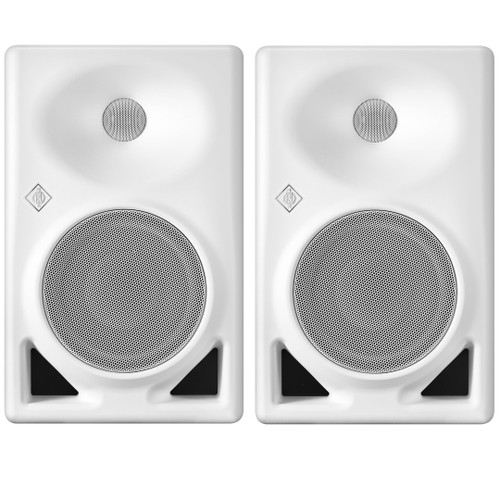


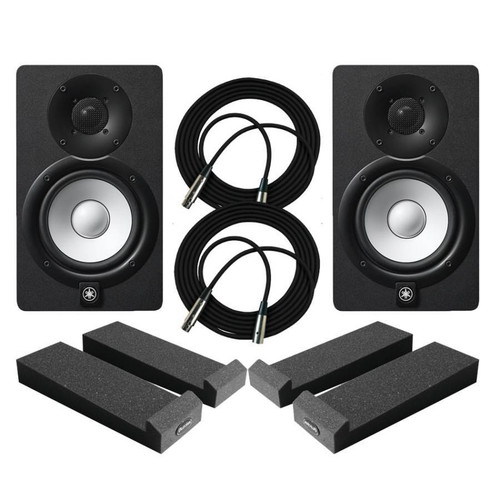
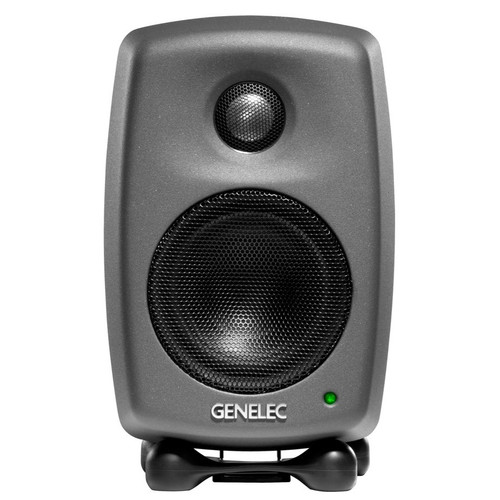


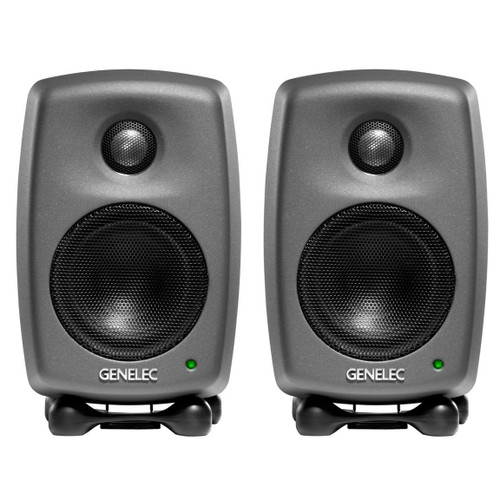

Active Studio Monitors at Front End Audio
Active Studio Monitors combine the speaker drivers, crossover and amplification in one integrated system, making them the standard monitoring choice for many modern recording, mixing and mastering studios. Front End Audio carries Active Studio Monitors ranging from compact nearfields for project studios to high-output professional reference systems for larger control rooms and critical listening environments. Because the amplification is designed specifically around the drivers and crossover, active monitors offer a convenient and highly integrated approach to studio monitoring without the need to select a separate power amplifier.
Choosing the Right Active Studio Monitors
The right Active Studio Monitors depend on the size of the room, listening distance, required output and how much low-frequency extension you need. Compact nearfield monitors are commonly used at shorter listening distances in project and commercial studios, while larger two-way, three-way and coaxial systems can provide greater output, deeper bass extension and more controlled dispersion for larger rooms. Driver size alone does not determine monitor quality, so it is also important to consider cabinet design, crossover implementation, amplifier headroom, directivity and how the speaker interacts with the listening environment.
Nearfield and Professional Reference Monitors
Nearfield Studio Monitors are designed to be used relatively close to the listening position, helping reduce some of the room's influence while giving the engineer a focused reference for balancing tracks, EQ, dynamics and stereo imaging. Larger professional Reference Monitors can extend that concept with higher output, greater low-frequency capability and more sophisticated driver configurations for critical mixing and mastering work. Some engineers also use smaller alternate monitors alongside their main system to check midrange balance and translation, making multiple monitoring perspectives an important part of many professional workflows.
DSP Studio Monitors and Monitor Calibration
Many modern Active Studio Monitors incorporate DSP for crossover control, driver alignment, room-response adjustment and system calibration. Some models can work with measurement microphones and dedicated software to analyze the listening position and optimize the monitor response for the room. These systems can be especially useful in studios where speaker placement and acoustic treatment have already been addressed but additional calibration is needed. Dedicated Room Correction solutions can also provide measurement and calibration tools for monitoring systems that do not include their own integrated correction platform.
Studio Monitor Size, Placement and Low-Frequency Response
Monitor performance is closely tied to how the speakers are positioned in the room. Listening distance, placement relative to walls and corners, desk reflections and room acoustics can all affect what reaches the engineer at the mix position. Smaller monitors may be easier to integrate into compact spaces, while larger monitors can provide greater output and low-frequency extension when the room supports it. Studios that need deeper low-end monitoring can add a dedicated Studio Subwoofer, but proper setup and level matching are important so the sub extends the monitoring system rather than simply making it louder.
Active Studio Monitors for Mixing and Mastering
A reliable monitoring system should help reveal what is happening in the recording rather than make every source sound impressive. During mixing and mastering, engineers rely on Studio Monitors to judge frequency balance, dynamics, transient detail, stereo placement and how well a production will translate to other playback systems. Consistent listening levels and familiarity with the monitoring system are just as important as the speakers themselves, which is why many engineers spend time learning how commercial recordings and previous mixes translate through their own monitors before making critical decisions.
Build a Complete Studio Monitoring System
Active Studio Monitors work best when the rest of the monitoring chain is planned around the room and workflow. A dedicated Monitor Controller can provide precise level control, source selection and switching between multiple speaker systems, while Room Correction can help analyze and refine monitor response at the listening position. Studios that need extended low-frequency reproduction can add Studio Subwoofers that are appropriately matched and calibrated to the main monitors. Treating the speakers, room, controller and calibration as one monitoring system makes it easier to build a reference you can trust throughout recording, mixing and mastering.

 Sign Up for exclusive sales and offers!