

AD/DA Converters


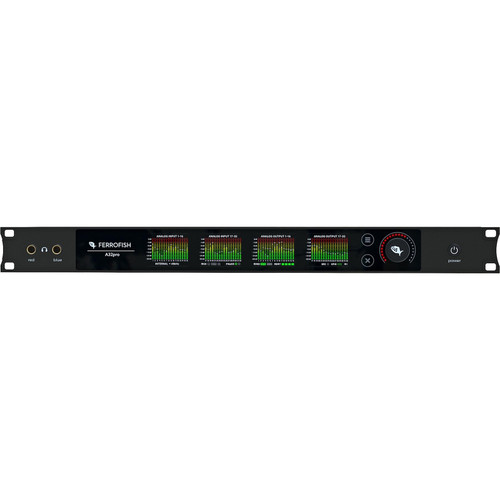


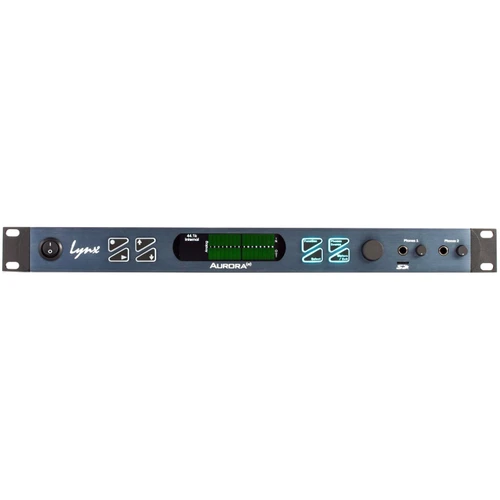


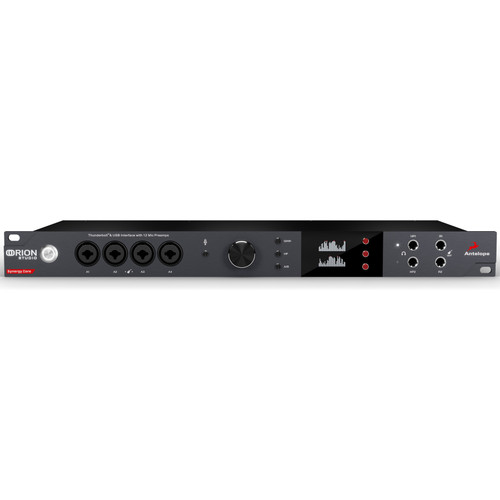


AD/DA Converters at Front End Audio
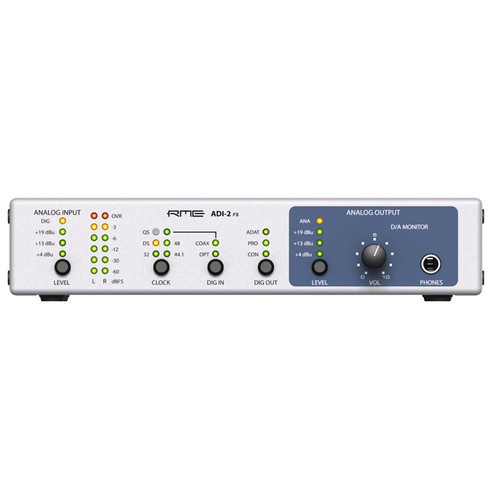
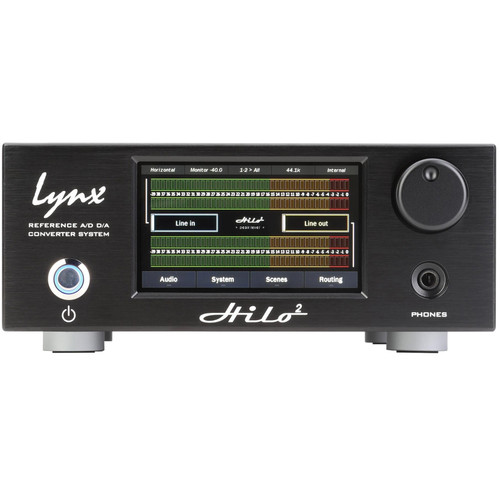
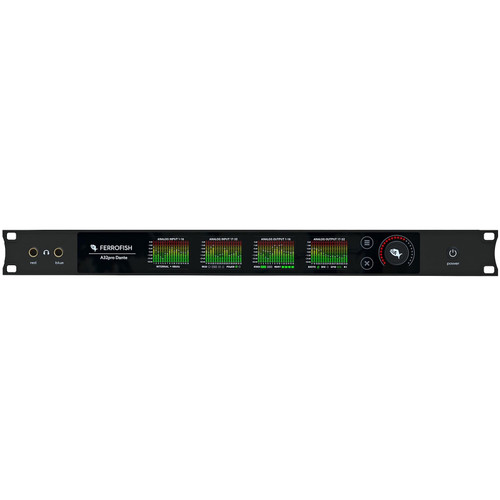
AD/DA Converters handle both sides of the analog and digital studio signal path, converting analog audio into digital for recording and digital audio back into analog for monitoring, mixing and outboard processing. Front End Audio carries AD/DA Converters ranging from precision stereo units for mastering and critical monitoring to 8-channel, 16-channel and modular high-channel-count systems for commercial studios and hybrid mixing environments. Whether you need better conversion for a dedicated recording front end, more analog I/O for external hardware or a scalable converter system for a larger facility, the right AD/DA Converter should fit the way audio actually moves through your studio.
Choosing an AD/DA Converter
The right AD/DA Converter starts with channel count and workflow. A stereo recording or mastering setup may only need a small number of exceptionally capable analog inputs and outputs, while drum tracking, hybrid mixing and commercial production can require 8, 16, 32 or more channels. Beyond channel count, consider analog operating levels, digital connectivity, sample-rate support, routing, clocking, monitoring features and how the converter will connect to the computer or existing Audio Interface. The goal is to choose a system with enough I/O for the work you do now while leaving a sensible path for expansion later.
AD/DA Conversion for Recording
During recording, the A/D side of an AD/DA Converter takes the analog output from Microphone Preamps, Channel Strips, mixing consoles and other front-end hardware and converts it into digital audio for the recording system. This makes dedicated conversion especially valuable in studios that already have the microphone preamps and analog signal path they want and do not need those functions built into an interface. Channel count, analog headroom and connectivity should be matched to the number of sources you regularly record so the converter supports the session without becoming a bottleneck.
AD/DA Converters for Hybrid Mixing and Outboard Gear
Hybrid mixing places just as much importance on the D/A side of the converter. Multiple analog outputs allow tracks and stems to leave the DAW and feed external Compressors & Limiters, Equalizers, Summing Mixers and other Outboard Gear before the processed signal returns through the A/D stage. An 8x8, 16x16 or larger converter can therefore become the bridge between a DAW and an entire analog mixing system, giving engineers the routing flexibility to use hardware without abandoning digital editing and automation.
Stereo AD/DA Converters for Mastering and Critical Monitoring
Not every conversion system is built around maximum channel count. Stereo AD/DA Converters are widely used in mastering, mix evaluation and critical monitoring workflows where a smaller number of channels is required but precise level handling, routing and conversion performance are especially important. Some systems also integrate headphone amplification, monitor control, metering or DSP, allowing the converter to become part of the mastering or control-room monitoring path rather than serving only as an input and output device.
Multi-Channel AD/DA Converters
Multi-Channel AD/DA Converters are designed for studios that need to move larger numbers of signals between analog and digital equipment. Current systems can provide 8, 16 or more channels in a single chassis, while modular platforms can scale much further by adding converter cards or additional I/O. These systems are well suited to drum recording, full-band sessions, analog consoles, hardware inserts, stem mixing and immersive monitoring where several analog channels need to remain available at the same time.
ADAT, AES, MADI, Dante and Digital Connectivity
Professional AD/DA Converters can connect to the rest of the studio through a wide range of digital formats. ADAT is commonly used for expanding smaller interfaces, while AES and MADI are widely found in professional studio and broadcast systems. Dante and other networked formats can move large channel counts through Ethernet infrastructure, and some converter platforms also offer USB, Thunderbolt, DigiLink or SoundGrid connectivity. The right format depends on the existing studio architecture, so connectivity should be considered as carefully as the analog channel count itself.
Clocking and Synchronization
Digital conversion depends on stable synchronization between connected devices. Many AD/DA Converters include internal clocking and Word Clock I/O so they can operate as the clock source or follow another device in a larger digital system. Studios using several converters, interfaces or digital processors can also integrate dedicated Clocking Devices when a centralized timing reference makes sense. External clocking is not automatically an upgrade for every system; its value is primarily in maintaining reliable synchronization across compatible digital equipment.
Build a Complete Conversion and I/O System
An AD/DA Converter should be planned around the complete signal path rather than treated as an isolated piece of hardware. Use Microphone Preamps to build the recording front end, connect the converter to the appropriate Audio Interface or digital transport when computer connectivity is required, and provide enough analog outputs for the Outboard Gear and monitoring paths used during mixing. Engineers who only need one direction of conversion can also explore dedicated A/D Converters and D/A Converters for more specialized recording or playback systems.

 Sign Up for exclusive sales and offers!