

-

-
-
-
-
-
-
-
-
Undertone Audio
Undertone Audio UTEQ500 500-Series Parametric Equalizers (Stereo Pair)
$2,999.98 $2,399.99On Sale! -
-
-
-
-
-
-
-
-
-
-
Equalizers


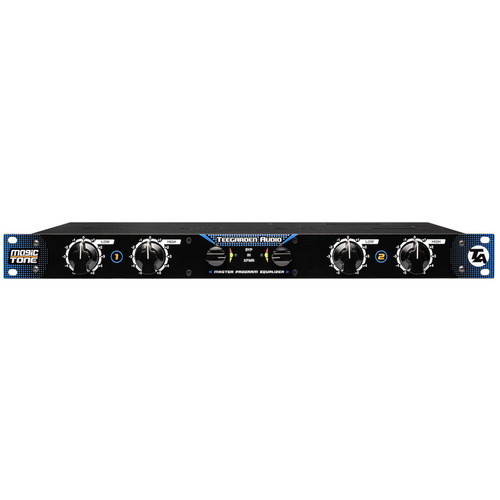

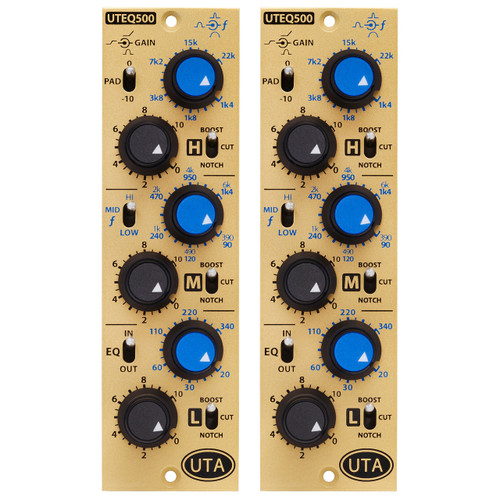


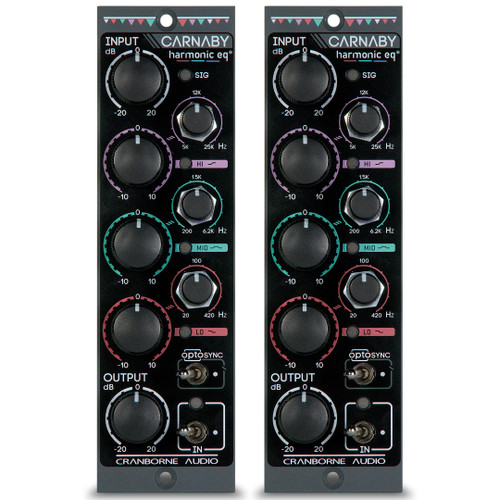


Studio Equalizers at Front End Audio
Studio Equalizers give recording, mixing and mastering engineers direct control over the frequency balance of a signal, whether the goal is subtle correction, broad tonal shaping or adding a particular analog character. Front End Audio carries Single Channel Equalizers, Dual Channel Equalizers, Multi-Channel Equalizers and 500-Series Equalizers for everything from individual tracks and recording chains to stereo buses and mastering systems. From precise parametric EQ to passive, tube and character-driven designs, the right equalizer gives you another way to shape the source without relying entirely on plug-ins.
Choosing a Studio Equalizer
The right Studio Equalizer depends on how much control you need and how you want the processor to interact with the source. Fully parametric EQs provide detailed control over frequency, gain and bandwidth, making them useful when you need to target a specific part of the spectrum. Program-style and passive equalizers often use broader curves for musical tonal shaping, while other designs incorporate tubes, transformers, inductors or discrete analog circuitry that can become part of the sound. Filters, stepped controls, selectable bandwidth, Mid/Side operation and frequency-range options can also make an equalizer better suited to tracking, mixing or mastering.
Single Channel Equalizers for Individual Sources
Single Channel Equalizers are ideal for shaping individual vocals, instruments and other mono sources during recording or mixing. They can be used for corrective work, such as reducing an unwanted resonance, or for broader creative choices such as adding presence, weight or air. Many single-channel EQs are also integrated with microphone preamps or other analog stages, allowing engineers to build focused recording chains around a particular source and tonal approach.
Dual Channel Equalizers for Stereo and Bus Processing
Dual Channel Equalizers provide two channels of tonal control in one processor, making them useful for stereo microphone pairs, drum buses, instrument groups, mix buses and mastering chains. Some units can operate as two independent mono EQs, while others are designed specifically around stereo operation with matched or stepped controls. This makes dual-channel EQs especially valuable when both sides of a stereo signal need consistent processing or when precise recall is important.
Multi-Channel Equalizers for Larger Systems
Multi-Channel Equalizers provide several channels of frequency shaping within a single chassis, making them practical for drums, stems, live recording, consoles and larger analog workflows. They can reduce the rack space required to process multiple sources and may provide consistent EQ architecture across several related channels. When choosing a multi-channel system, consider the number of available bands, whether each channel operates independently and how the unit will integrate with the rest of the recording or mixing setup.
500-Series Equalizers and Modular Analog EQ
500-Series Equalizers bring professional frequency shaping into a compact modular format. A powered 500-Series chassis can hold several different EQ designs alongside Preamps, Compressors and other signal processors, allowing engineers to build a customized rack around the way they record and mix. The format includes parametric, graphic, passive, tube-inspired and character-driven designs, giving studios access to several different tonal approaches without dedicating a full rack space to every processor.
Parametric, Passive, Tube and Mastering Equalizers
Different EQ designs solve different problems. Parametric Equalizers provide detailed control when frequency, gain and bandwidth need to be adjusted precisely, while passive and program-style EQs can provide broader curves that work well for musical tone shaping. Tube and transformer-based designs may add additional harmonic character through the analog signal path, while Mastering Equalizers often place greater emphasis on channel matching, stepped controls and small repeatable adjustments. These categories are useful guides, but the complete circuit and control layout ultimately determine how an equalizer behaves in the studio.
Equalizers for Tracking, Mixing and Mastering
Equalization can play a different role at every stage of production. During tracking, an EQ may be used to shape a vocal or instrument before conversion, helping the recorded signal sit more naturally from the start. During mixing, Equalizers can solve frequency conflicts, shape individual tracks and buses or add character to important sources. Mastering EQ typically involves smaller, broader adjustments across a complete mix, where precision and repeatability become especially important. Choosing an EQ around the job it needs to perform helps keep processing purposeful rather than simply adding another stage to the signal chain.
Build a Complete Analog Processing Chain
Equalizers often work alongside other analog processors throughout the recording and mixing process. A Microphone Preamp provides gain at the front end of a recording chain, while Compressors & Limiters control dynamics before or after EQ depending on how you want the processors to interact. Studios using modular hardware can combine these tools inside a 500-Series rack, while dedicated rackmount processors provide additional options for stereo, mastering and specialized workflows. Choosing the order and type of processing around the source gives you more control over both tone and dynamics.

 Sign Up for exclusive sales and offers!