

Line Mixers

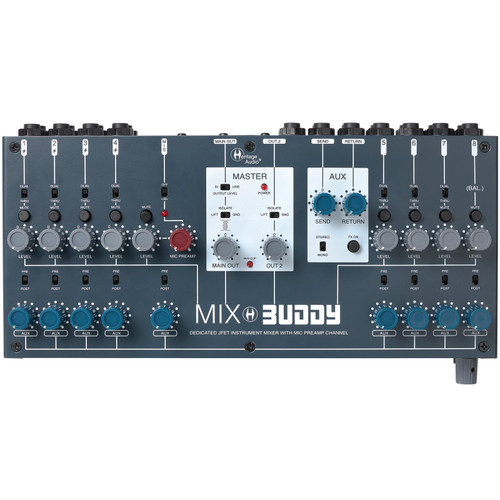


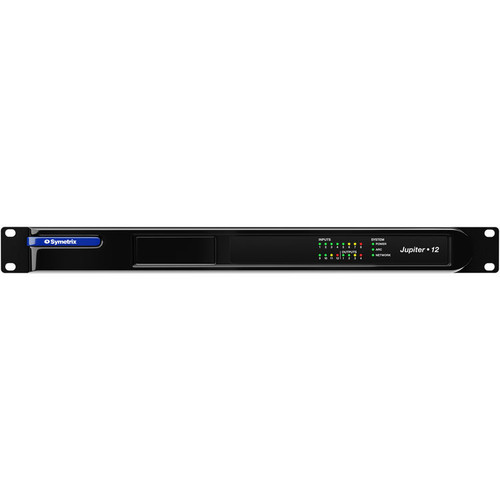

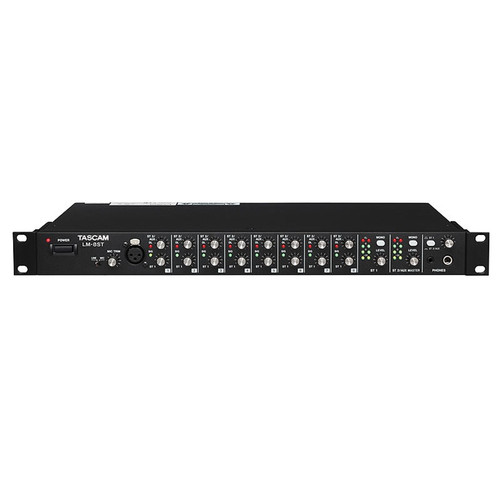

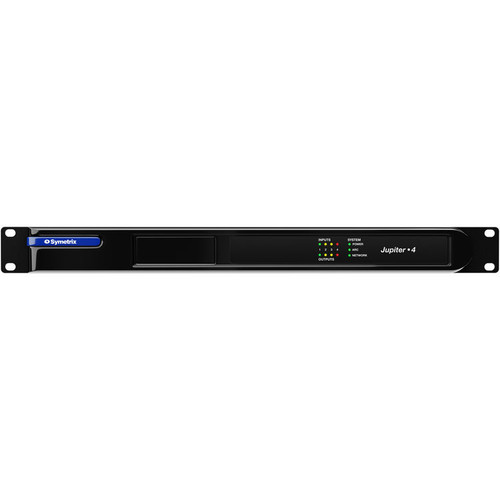

Line Mixers at Front End Audio
Line Mixers are one of those studio tools that become increasingly useful as the number of keyboards, synthesizers, drum machines, playback devices and other line-level sources starts to grow. Instead of dedicating a full console channel or audio-interface input to every device, a good line mixer lets you combine multiple sources into a manageable stereo or multichannel path while keeping level control and routing within easy reach. Front End Audio carries compact and rackmount line mixers for recording studios, keyboard rigs, production rooms, cue systems and other setups where several line-level signals need to be organized without adding the size and complexity of a full mixing console. Depending on the model, that can mean anything from straightforward stereo submixing to auxiliary sends, monitor outputs, mic inputs and more advanced routing.
Best Line Mixer for Synths, Keyboards and Drum Machines
One of the most common reasons to add a line mixer to a studio is hardware instruments. A few synthesizers can consume interface inputs surprisingly quickly, especially once stereo outputs, drum machines and sound modules enter the picture. Using a stereo line mixer lets you keep multiple instruments connected and ready to play while sending a more manageable number of outputs to your recording system. For keyboard-heavy studios, look closely at channel count, stereo input support, input-level compatibility and whether you need auxiliary sends for external effects. Some musicians prefer a simple mixer that stays out of the way, while others want additional routing and monitoring control for a more performance-oriented setup. If your system revolves around hardware instruments, our Keyboards & Synths category is a natural place to expand the rest of the rig.
Rackmount Line Mixers for Professional Studio Routing
Rackmount Line Mixers are especially useful when the mixer is part of the studio infrastructure rather than something you need to move around the room. A 1U rack mixer can sit alongside interfaces, converters, patchbays and outboard gear while providing permanent access to several stereo or mono sources without taking up valuable desktop space. This can be a clean solution for combining synthesizers, effects returns, playback machines or utility feeds before they reach an Audio Interface. When comparing rackmount models, pay attention to the number and type of inputs, balanced versus unbalanced connectivity, +4 dBu and -10 dBV compatibility, auxiliary routing, monitoring facilities and whether the mixer provides enough output flexibility for the way your studio is actually wired. Sweetwater likewise separates rackmount line mixers as a major subcategory, reflecting the strong practical demand for this format in studio and installation systems.
Line Mixers for Submixing, Cue Mixes and Hybrid Studios
A line mixer can do much more than consolidate instruments. In a larger recording setup it can serve as a dedicated submixer for effects returns, keyboards, playback sources or other groups of line-level equipment, reducing the number of channels that need to reach the main console or interface individually. Models with auxiliary sends and multiple buses can also be useful for building cue mixes or routing signals to external processors. In a hybrid studio, where hardware and a DAW are constantly exchanging signals, a line mixer can provide a simple layer of hands-on control without requiring every source to pass through software first. If the routing starts becoming more complex, pairing the mixer with a Patchbay can make it considerably easier to move sources and processors around the system without rewiring the back of the rack.
Line Mixer vs. Studio Console: Which Do You Actually Need?
A line mixer and a full studio console can both combine multiple signals, but they solve very different problems. If the goal is primarily to combine already amplified line-level sources—synths, drum machines, effects returns or playback devices—a dedicated line mixer is often the cleaner and more economical choice. A traditional console becomes more appropriate when you also need extensive microphone preamps, channel EQ, dynamics, multiple auxiliary buses, detailed monitoring and broader session control. The important question is not which option is more impressive, but how much of that functionality you will actually use. Many modern studios benefit from a streamlined setup where the interface and DAW handle recording and editing while a line mixer takes care of a specific group of hardware sources.
Choosing the Right Studio Line Mixer for Your Workflow
The best Studio Line Mixer is the one that solves your routing problem without creating another one. Start by counting the sources that need to remain connected, then consider how many are stereo, what operating levels they use and where the mixed signal needs to go. If the mixer will handle synths and keyboards, stereo channel count may matter more than microphone inputs. If it will serve as a utility mixer in a larger studio, balanced connections, rackmount construction and flexible outputs may move higher on the list. Front End Audio has been helping recording studios put together practical analog and digital workflows since 2003, and our non-commissioned team can help you work through channel count, connectivity and routing before you buy. Give us a call at 888-228-4530 and we’ll help you choose a line mixer that fits the way your studio actually operates.

 Sign Up for exclusive sales and offers!