

Patchbays





Audio Patchbays at Front End Audio
A well-designed studio should let you change signal paths without crawling behind racks every time you want to patch in a compressor, swap preamps or send a mix through another piece of outboard gear. Audio Patchbays bring those connections to one central location, making it considerably easier to route microphones, preamps, compressors, equalizers, audio interfaces, consoles and other studio hardware. Front End Audio carries traditional analog patchbays along with more advanced digitally controlled analog routing systems for professional, project and hybrid studios. Once a studio reaches the point where several pieces of gear need to talk to each other regularly, a properly configured patchbay can turn a complicated collection of equipment into a much faster and more flexible working system.
Choosing the Best Patchbay for Your Recording Studio
The best patchbay for a recording studio depends less on the name on the front panel and more on the number of connections, connector format and routing flexibility the studio actually needs. A smaller setup built around an Audio Interface and a few pieces of outboard gear may be well served by a straightforward TRS patchbay, while a larger tracking or mixing room can benefit from the higher connection density of TT or DB25-based systems. Studios with consoles, multiple racks of analog processing or several hardware insert paths should also think carefully about how often routing changes and which connections should remain permanently available. Planning the patchbay around your normal workflow—not simply the number of jacks on the front—usually results in a cleaner system and much less repatching behind the equipment rack.
TT, TRS and XLR Patchbays: Which Format Fits Your Studio?
TT, TRS and XLR are among the most common connection formats used in professional studio patchbays, and each has a place depending on the size and design of the system. Quarter-inch TRS patchbays are familiar, affordable and practical for many project and professional studios, while TT or bantam patchbays provide far greater connection density and are a longtime standard in larger commercial facilities. XLR patchbays make sense when you want full-size XLR connectivity readily accessible, particularly for microphone lines, tie lines or other connections that do not need to be repatched constantly. Many professional TT systems use DB25 connections on the rear to simplify multi-channel wiring, making Multi-Channel Snakes an important part of planning the installation. The right format comes down to channel count, available rack space, cabling requirements and how frequently you expect to change routing during a session.
Normalled, Half-Normalled and Thru Patchbay Routing
Understanding normal, half-normal and thru operation is one of the most important parts of setting up an analog patchbay. A normalled connection lets a predefined signal path remain active without a patch cable installed, making it useful for routes you use every day—for example, a preamp output feeding a particular converter input. Half-normalled routing keeps that default connection intact while allowing the signal to be tapped or multed for another destination, which can be useful for parallel processing or alternate recording paths. Thru operation simply connects the corresponding front and rear jacks without establishing a default route. Used thoughtfully, these configurations let the studio operate normally with little or no patching while still giving you immediate access when you want to reroute a signal, audition another processor or build a different chain.
Analog and Digitally Controlled Patchbays for Hybrid Studios
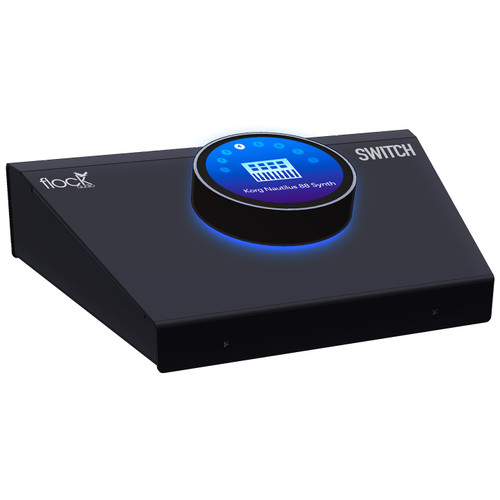
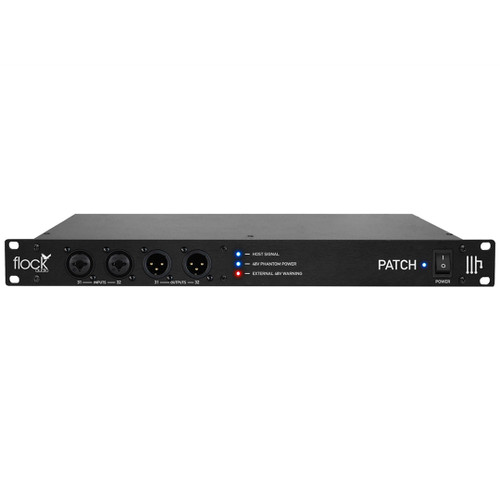
Traditional patchbays remain an excellent solution for many studios, but digitally controlled analog patchbays have changed what is possible in larger and more complex hybrid setups. Systems from companies such as Flock Audio and Wolff Audio can provide analog signal routing while allowing connections to be managed and, depending on the system, recalled through software rather than physically repatching every route by hand. That can be especially valuable in studios where sessions move frequently between tracking, mixing and mastering configurations or where large collections of outboard equipment need to be available from multiple points in the signal chain. Front End Audio's current Patchbays category includes both conventional passive patching solutions and sophisticated digitally controlled systems, so there is a substantial range between a simple studio routing upgrade and a full professional routing infrastructure.
Wiring a Studio Patchbay with the Right Patch Cables
The patchbay itself is only one part of a properly planned routing system; the cabling around it matters just as much. Front-panel connections need the correct Patch Cables, while rear-panel wiring may involve individual TRS or XLR connections, DB25 snakes or permanently installed studio cabling depending on the patchbay. Studios using bantam-format systems can browse dedicated TT Patch Cables designed for those higher-density panels. It is worth mapping your inputs, outputs and normalled connections before ordering cables so you know exactly what connector types and lengths are required. If you are building a patchbay system from scratch or trying to clean up an existing studio full of outboard gear, give Front End Audio a call at 888-228-4530 and our non-commissioned team can help you work through the routing, cabling and connectivity before everything gets installed.

 Sign Up for exclusive sales and offers!