


Open

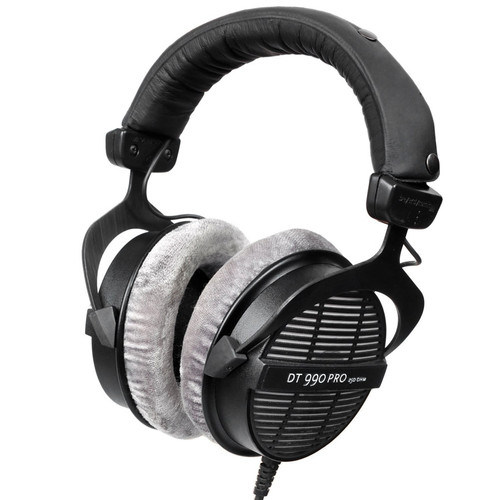
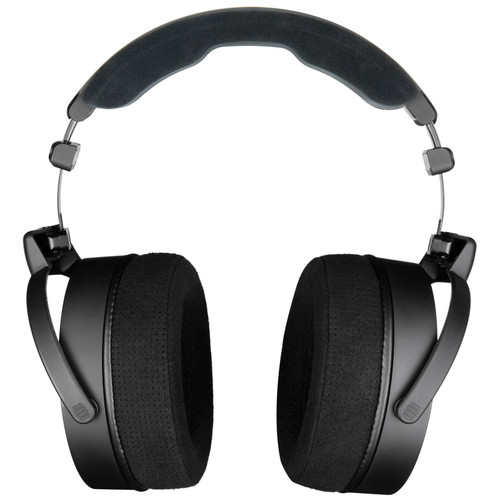


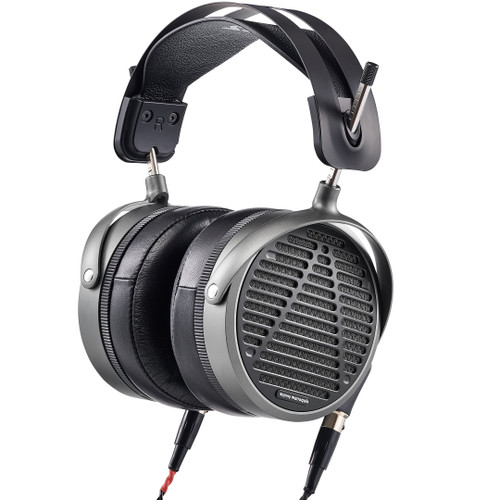


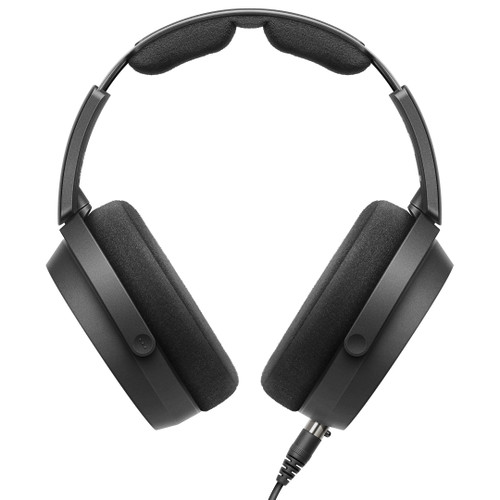
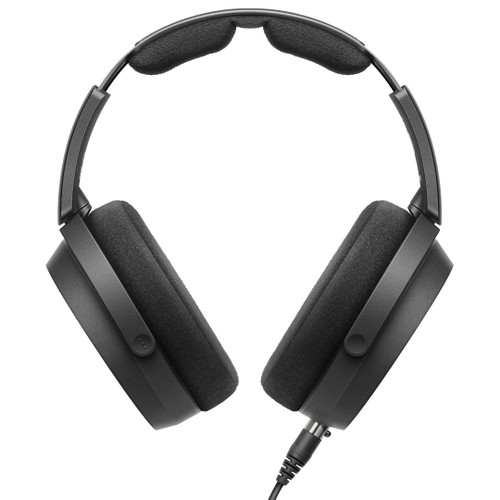

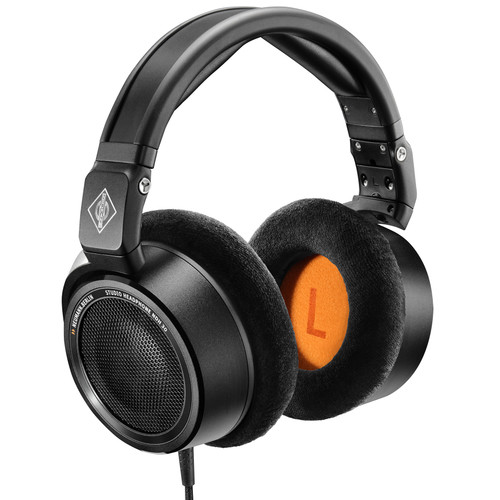


Open-Back Studio Headphones at Front End Audio
Open-Back Studio Headphones are a popular choice for mixing, mastering, editing and critical listening because their vented ear-cup design allows sound to move more freely around the driver. Front End Audio carries professional Open-Back Headphones ranging from practical studio reference models to high-end designs built for detailed production and mastering work. When isolation is not required, an open-back design can provide a spacious and revealing listening perspective that makes it easier to evaluate balance, stereo placement, detail and overall mix translation.
Open-Back Headphones for Mixing and Mastering
Mixing and mastering engineers often use Open-Back Headphones when they need a detailed second reference alongside Studio Monitors. Because the ear cups are acoustically open, these headphones do not attempt to isolate the listener from the room in the same way as a closed-back design. That makes them better suited to quiet working environments where sound leakage is not a concern. A good open-back reference can be especially useful for checking stereo imaging, reverbs, edits, low-level detail and tonal balance during long production sessions.
Choosing Open-Back Studio Headphones
The right Open-Back Studio Headphones depend on comfort, tonal balance, resolution and how they will be driven. Engineers working for long periods should consider ear-pad design, headband pressure and overall weight alongside sound quality. Impedance and sensitivity also matter because some reference headphones are easy to drive from an audio interface, while others perform best with a dedicated Headphone Amplifier. The goal is to choose a headphone and amplifier combination that provides enough level and headroom without sacrificing the detail needed for critical listening.
Open-Back vs. Closed-Back Headphones
Open-back and Closed-Back Headphones serve different roles in the studio. Open-back designs are generally better suited to mixing, mastering and critical reference in a quiet environment, while closed-back headphones provide greater acoustic isolation for vocal tracking, instrument recording and other situations where headphone bleed needs to be controlled. Many studios keep both types available because each solves a different monitoring problem rather than one design being universally better than the other.
Open-Back vs. Semi-Open Headphones
Semi-Open Headphones sit between fully open and closed designs, allowing some airflow through the ear cups while retaining more acoustic containment than a fully open headphone. They can provide a useful balance for engineers who want some of the spacious presentation associated with Open-Back Headphones without using a completely open design. The practical difference varies from model to model, so choosing between open and semi-open headphones should be based on the listening environment, desired isolation and the way the headphones will be used.
Reference Headphones for Critical Listening
Professional reference headphones are designed to help engineers hear the details needed to make production decisions rather than simply provide an exciting listening experience. Open-Back Reference Headphones can be useful for evaluating frequency balance, dynamics, stereo placement, ambience, edits and other subtle elements of a recording. They are also valuable when working late, traveling or in situations where Studio Monitors cannot be used at an appropriate level. For important mix and mastering decisions, headphones are most effective when used alongside other trusted references rather than treated as the only monitoring perspective.
Build a Complete Headphone Monitoring Setup
Open-Back Headphones work best as part of a monitoring setup built around the way you actually work. Explore the full range of Studio Headphones when you need additional closed-back, semi-open or isolation options for recording and production, and pair demanding reference models with a dedicated Headphone Amplifier when additional power and level control are required. Keeping multiple trusted monitoring references available makes it easier to compare what you are hearing and make more confident decisions during mixing, mastering and critical listening.

 Sign Up for exclusive sales and offers!