

Closed
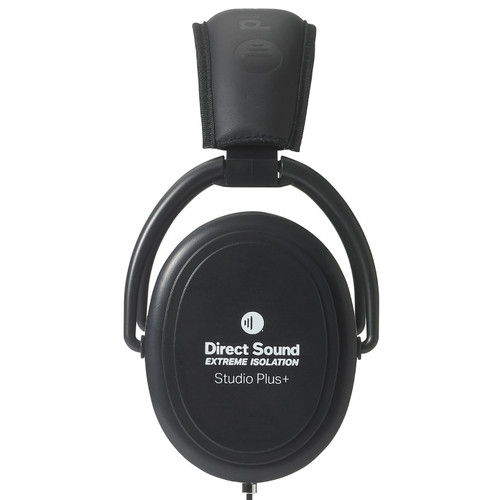

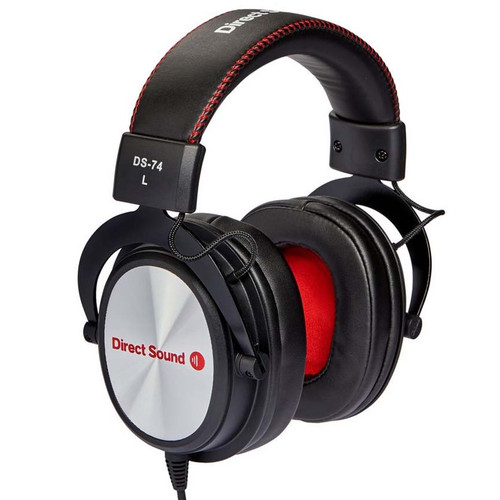
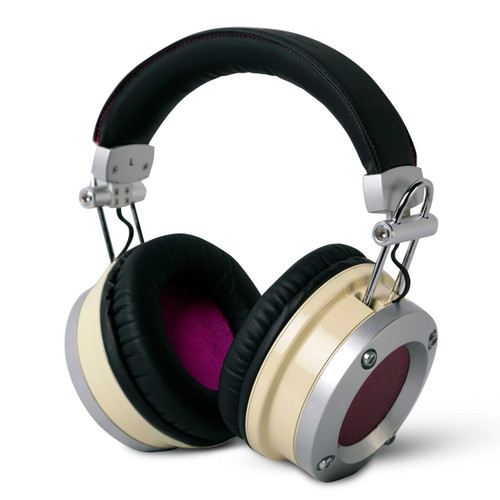
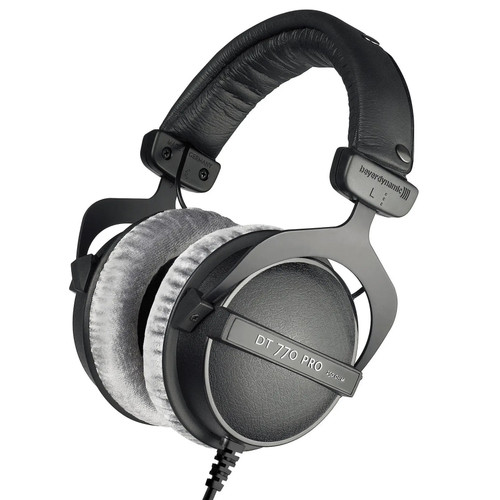


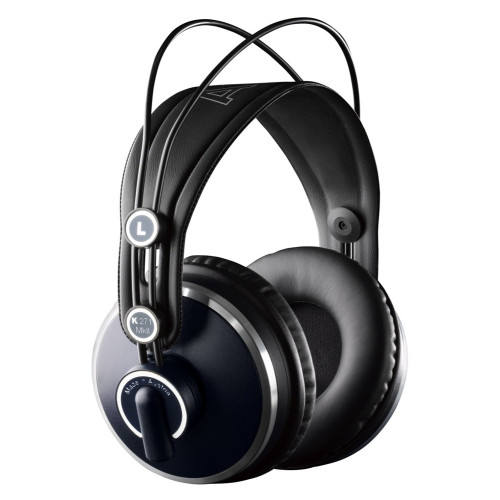
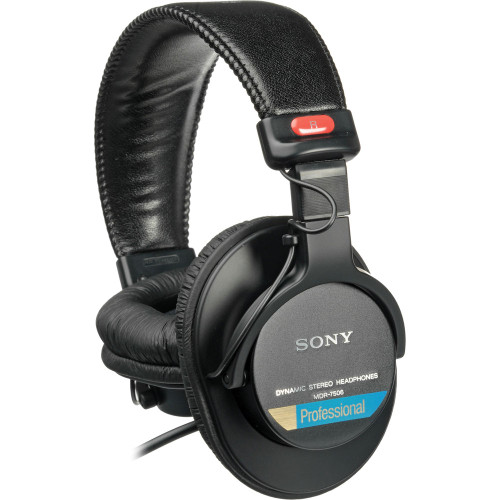


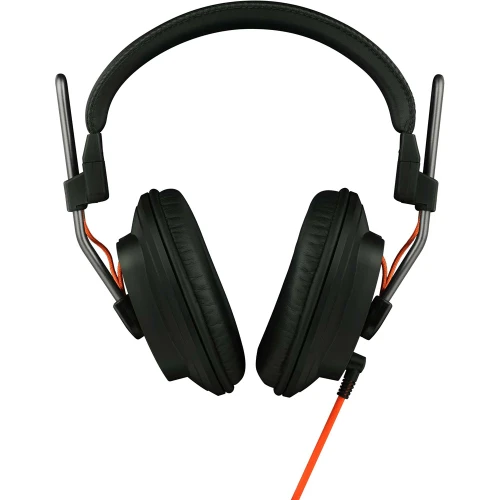


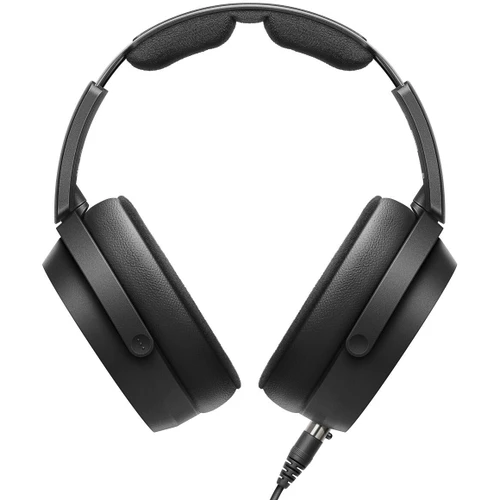
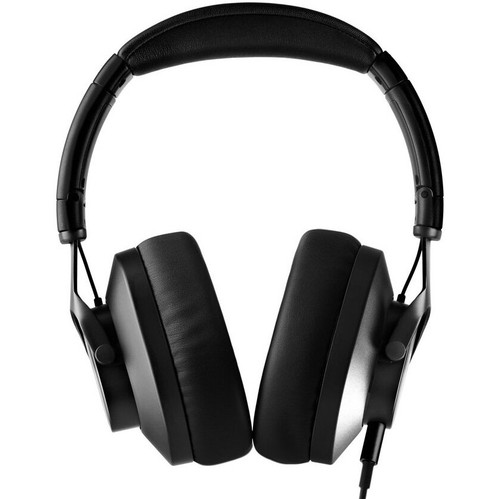


Closed-Back Studio Headphones at Front End Audio
Closed-Back Studio Headphones are a go-to choice for recording and tracking because their enclosed ear cups help keep the cue mix focused on the performer while reducing sound leakage into nearby microphones. Front End Audio carries Closed-Back Headphones for vocals, drums, instruments, editing and everyday studio monitoring, ranging from rugged workhorse models to high-end reference designs built for critical listening. Whether you need dependable headphones for a busy tracking room or a detailed closed-back reference for production work, the right pair should balance isolation, comfort, durability and accurate monitoring.
Closed-Back Headphones for Recording and Tracking
Tracking sessions often require headphones that allow the performer to hear the cue mix clearly without sending excessive playback back into an open microphone. Closed-Back Headphones are well suited to vocals, acoustic instruments, drums and other recording situations where isolation matters, while their enclosed design can also help reduce distractions from the surrounding room. A good tracking headphone should provide enough level and clarity for the performer without requiring uncomfortable listening volumes, and it should remain secure and comfortable during longer sessions.
Choosing Closed-Back Studio Headphones
The best Closed-Back Studio Headphones depend on how they will be used. For everyday recording, durability, replaceable parts and consistent isolation may matter more than luxury materials, while engineers using closed headphones for editing or reference work may place greater emphasis on tonal balance, transient detail and long-term comfort. Impedance and sensitivity should also be considered because they affect how easily the headphones can be driven by an audio interface, console or dedicated amplifier. Fit is equally important, since the seal around the ear can influence both isolation and low-frequency response.
Closed-Back Headphones vs. Open-Back Headphones
Closed-back and Open-Back Headphones are designed around different monitoring priorities. Closed-back designs provide greater acoustic separation and are generally better suited to tracking, location work and environments where sound leakage needs to be controlled. Open-back headphones allow sound to pass more freely through the ear cups and are often chosen for mixing, mastering and critical listening where isolation is less important. Many studios keep both styles available so performers and engineers can choose the design that best matches the job.
Isolation Headphones for Loud Tracking Sessions
Some sessions require even more acoustic separation than a typical closed-back design provides. Dedicated Isolation Headphones are built for louder recording environments such as drum tracking, live rooms and other situations where the performer needs stronger isolation from the surrounding sound. These headphones can help keep cue mixes intelligible without simply increasing playback level, while also reducing headphone bleed into nearby microphones. FEA's Isolation Headphones category is especially focused on high-isolation models designed for professional recording applications. :contentReference[oaicite:1]{index=1}
Closed-Back Headphones for Editing and Critical Monitoring
Closed-Back Headphones are not limited to tracking. Higher-quality reference models can also be useful for editing, production, detailed monitoring and situations where an engineer needs to work without disturbing others. A closed design can make it easier to focus on low-level details in noisy environments, while professional reference headphones can reveal clicks, fades, vocal edits, timing issues and other details that deserve close attention. For final mix decisions, headphones are often most useful as a second reference alongside a trusted Studio Monitor system rather than as the only listening perspective.
Build a Complete Studio Headphone Setup
Closed-Back Headphones are most useful when the rest of the monitoring path can provide the level and routing required by the session. A dedicated Headphone Amplifier can provide additional power and distribute cue mixes to multiple performers, while the broader Studio Headphones category makes it easy to compare closed-back designs with open, semi-open and other monitoring options. Studios that regularly record drums or loud ensembles can also explore Isolation Headphones when stronger acoustic separation is required.

 Sign Up for exclusive sales and offers!