

Headphones






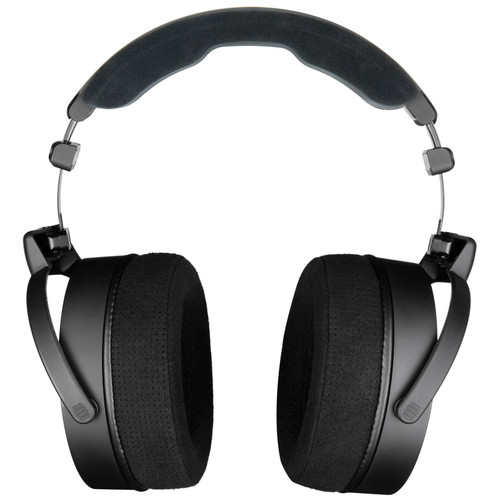
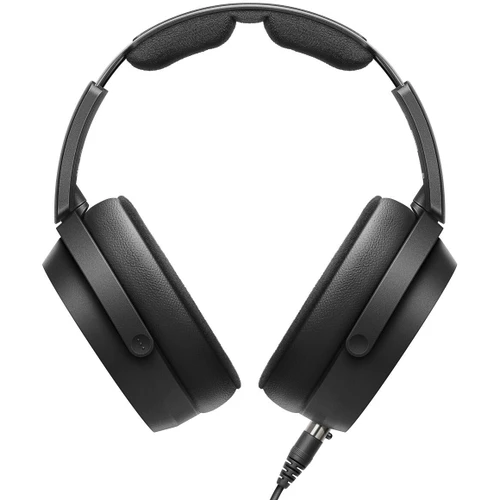


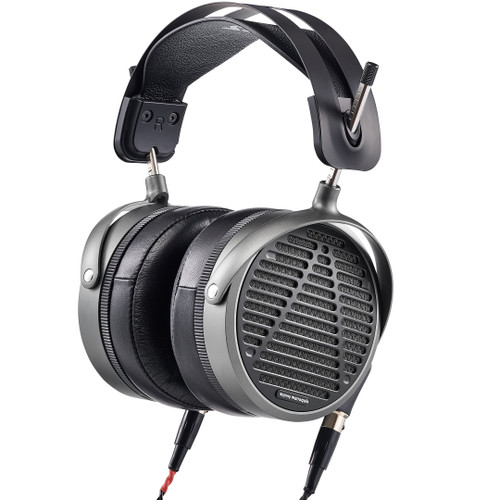

Studio Headphones at Front End Audio
Studio Headphones are essential tools for recording, editing, mixing, mastering and critical listening, but the right pair depends heavily on how they will be used. Front End Audio carries professional headphones ranging from Closed-Back Headphones and Isolation Headphones for tracking to Open-Back Headphones and Semi-Open Headphones for detailed monitoring and mix reference. Whether you need dependable performer headphones for the live room, an accurate reference for production work or a second listening perspective alongside your Studio Monitors, choosing the right headphone design makes a meaningful difference in both workflow and what you hear.
Choosing Studio Headphones for Recording and Mixing
The best Studio Headphones depend on the job. Recording and tracking typically benefit from designs that provide good isolation and help keep the cue mix from bleeding into an open microphone, while mixing and critical listening often place greater emphasis on detail, tonal balance, comfort and a natural sense of space. Engineers who spend long sessions working on headphones should also consider fit, weight, ear-pad design and how easily replacement cables and other parts can be serviced. Impedance and sensitivity are important as well because they influence how easily a pair of headphones can be driven by an audio interface, console or dedicated amplifier.
Closed-Back Headphones for Tracking and Recording
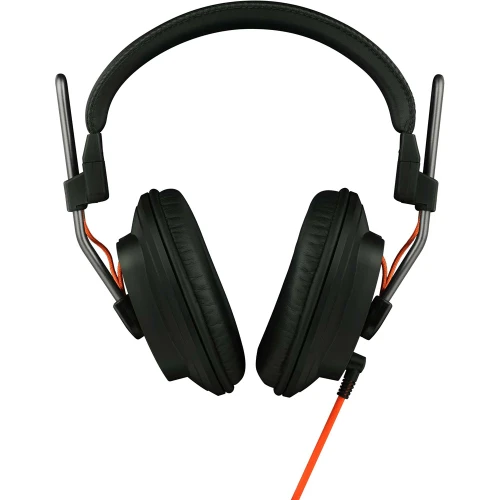
Closed-Back Headphones are a studio standard for tracking vocals, drums, guitars and other sources because the enclosed ear cups help reduce sound leaking from the headphone mix into nearby microphones. They can also provide useful isolation from sounds in the room, helping performers focus on the cue mix during a session. Closed-back designs range from rugged everyday tracking headphones to high-end reference models suitable for editing, production and critical listening, so the right choice depends on whether isolation, durability, sonic detail or a combination of those qualities is most important.
Open-Back and Semi-Open Headphones for Mixing
Open-Back Headphones allow air and sound to pass through the ear cups, which can provide a more spacious listening presentation that many engineers prefer for mixing, mastering and critical reference work. Because they intentionally allow sound to escape, they are generally less suited to tracking near an open microphone. Semi-Open Headphones take a middle-ground approach, combining some of the openness of an open-back design with more acoustic containment than a fully open headphone. Both styles can provide useful alternatives to loudspeaker monitoring when detailed headphone reference is required.
Isolation Headphones for Loud Recording Environments
Isolation Headphones are designed for situations where stronger acoustic separation is needed between the performer and the surrounding environment. They can be especially useful for drummers, live tracking rooms and other loud sessions where conventional headphones may not provide enough isolation for a comfortable cue mix. Better isolation can allow performers to hear what they need without relying on unnecessarily high headphone levels, while also helping reduce bleed into nearby microphones. The amount and type of isolation varies by design, so fit and intended application should be considered along with sound quality.
In-Ear Monitors and Personal Monitoring
In-Ear Monitors provide a compact alternative to traditional over-ear headphones and are commonly used for personal monitoring in live performance, rehearsal and certain studio workflows. A properly fitted in-ear system can provide useful isolation while allowing performers to hear a controlled monitor mix without floor wedges or large headphones. In-Ear Monitors can also integrate with personal cue and wireless monitoring systems, making them a practical option for musicians who want a consistent monitoring approach between the studio and stage.
Headphone Amplifiers and Proper Headphone Drive
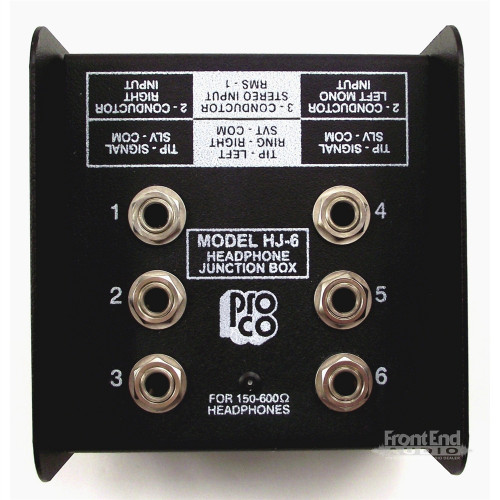
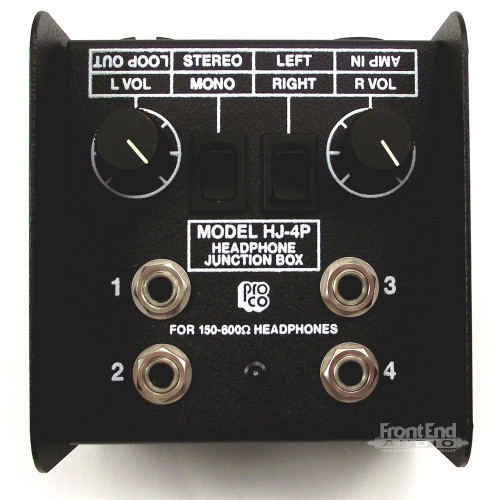
The headphone output feeding the system matters just as much as the headphones themselves. A dedicated Headphone Amplifier can provide additional power, headroom and level control when an interface or console output is not the best match for the headphones being used. Multi-channel Headphone Amplifiers can also distribute cue mixes to several performers during tracking, while higher-end single-listener designs are built around critical monitoring and reference applications. Matching the amplifier to the headphone's impedance, sensitivity and intended listening level helps the system operate comfortably without running the output near its limits.
Build a Complete Studio Headphone System
A good headphone setup should match the different ways the studio works. Use Closed-Back Headphones or Isolation Headphones when separation is important during tracking, consider Open-Back Headphones for mixing and critical reference, and add a dedicated Headphone Amplifier when additional power, distribution or monitoring control is needed. Replacement cables, ear pads and other Headphone Accessories can also help keep frequently used studio headphones comfortable and working reliably over the long term.

 Sign Up for exclusive sales and offers!