

-

-
-
-
-
-
-
-
-
-
-
-
-
-
-
-
-
-
-
-
Telefunken Elektroakustik
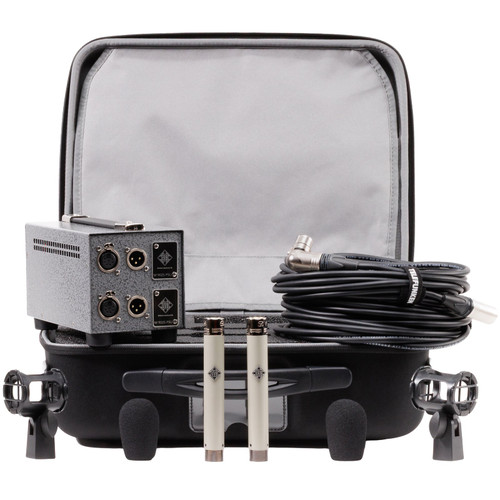
Telefunken Elektroakustik ELA M 260 Cardioid Stereo Set
$2,895.00 $2,645.00On Sale!
Condenser Microphones


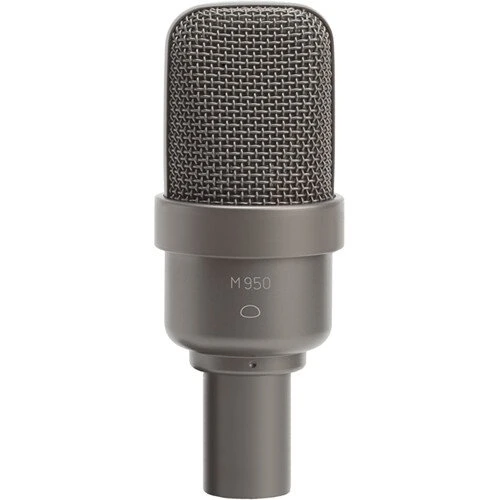


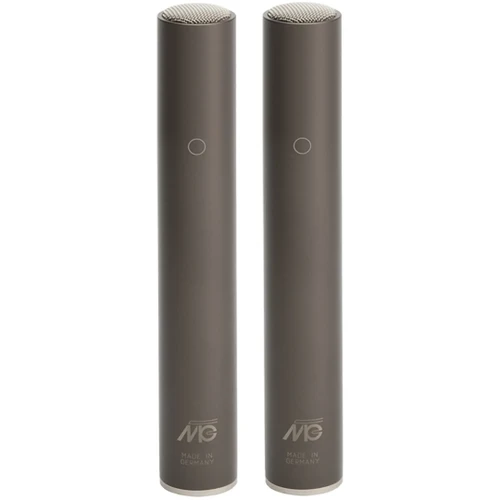


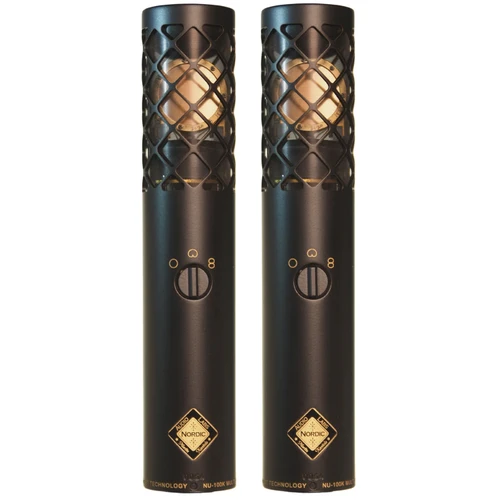

Condenser Microphones at Front End Audio
Condenser Microphones are a studio standard for capturing vocals, acoustic instruments, drums, piano, ensembles and other sources where detail, transient response and extended frequency range matter. Front End Audio carries Condenser Microphones for everything from home and project studios to commercial recording facilities and live performance, including Large Diaphragm Microphones, Small Diaphragm Microphones and Handheld Condenser Microphones. Whether you need a versatile vocal mic, a matched pair for stereo recording, a detailed instrument microphone or a condenser built for the stage, the right design can become one of the most useful tools in your mic locker.
Choosing a Condenser Microphone
The right Condenser Microphone depends on the source, room and way the microphone will be used. Large Diaphragm Microphones are commonly chosen for vocals, voiceover, acoustic guitar and other sources where engineers want a full and detailed presentation, while Small Diaphragm Microphones are widely used on acoustic instruments, drum overheads, percussion and stereo recording where transient response and consistent pickup behavior can be especially valuable. Handheld Condenser Microphones bring condenser detail and sensitivity into vocal and performance applications where a traditional studio-style microphone may not be practical.
Large Diaphragm Condenser Microphones for Vocals and Instruments
Large Diaphragm Microphones are among the most widely used microphones in recording studios because they can work on an enormous range of sources. They are especially popular for lead vocals, voiceover, acoustic guitar, piano, room microphones and many other applications where detail and tonal character are important. Some models are designed to remain clean and neutral, while others use transformers, tubes or intentionally voiced electronics to provide more color. Multi-pattern designs can add even more flexibility by providing cardioid, omnidirectional and figure-8 pickup options for different sources and recording techniques.
Small Diaphragm Condenser Microphones for Detailed Recording
Small Diaphragm Microphones are frequently used when accurate transient capture and a consistent pickup pattern are important. They are a natural choice for acoustic guitar, strings, piano, percussion, drum overheads and other sources with fast attacks or complex high-frequency detail. Small-diaphragm condensers are also widely used in matched pairs for stereo techniques such as spaced pair, XY and ORTF recording, making them especially useful for ensembles, acoustic instruments and room capture.
Handheld Condenser Microphones for Vocals and Performance
Handheld Condenser Microphones combine the sensitivity and detail associated with condenser technology with a format designed for vocals, stage performance and other handheld applications. They can be a strong choice for singers who want greater articulation and nuance than they typically hear from a traditional handheld dynamic microphone. Because live environments place different demands on a microphone than a controlled studio, factors such as polar pattern, handling noise, feedback resistance, durability and stage volume should all be considered when choosing a Handheld Condenser Microphone.
Condenser Microphones for Vocals
Vocals are one of the most common applications for Condenser Microphones, but there is no single microphone that works best for every singer. Capsule design, polar pattern and the voicing of the microphone all influence how it responds to a particular voice, which is why professional studios often keep several condenser options available. A microphone with a stronger presence response may help one vocalist sit naturally in a mix, while another singer may benefit from a smoother or more neutral design. Matching the microphone to the performer and recording environment is usually more important than simply choosing the most expensive model.
Polar Patterns and Multi-Pattern Condenser Microphones
Polar pattern determines how a microphone responds to sound arriving from different directions. Cardioid Condenser Microphones focus primarily on sound arriving from the front and are common choices for vocals and individual instruments, while omnidirectional microphones capture sound from around the capsule and can work well when the room is part of the recording. Figure-8 patterns capture the front and rear while rejecting the sides and are useful for techniques such as Mid/Side and Blumlein stereo recording. Multi-Pattern Condenser Microphones allow engineers to choose between several pickup patterns from a single microphone, making them especially versatile in studios that record a wide range of sources.
Phantom Power, Pads and High-Pass Filters
Most solid-state Condenser Microphones require phantom power, commonly supplied by a professional Microphone Preamp, audio interface or console. Many condenser microphones also include useful recording controls such as pads for handling louder sources and high-pass filters for reducing unwanted low-frequency rumble or proximity buildup before the signal reaches the rest of the recording chain. Understanding these features can make it easier to use the same microphone across everything from quiet acoustic instruments to loud amplifiers and drums.
Build a Complete Microphone Recording Chain
A Condenser Microphone is only the beginning of the recording signal path. Pair it with a quality Microphone Preamp for the gain and headroom needed to bring the signal into the rest of the studio, and use professional Microphone Cables for reliable signal transfer between the microphone and preamp. Engineers comparing different microphone technologies can also explore Dynamic Microphones, Ribbon Microphones and Tube Microphones to build a mic locker that covers the different voices, instruments and recording situations that come through the studio.

 Sign Up for exclusive sales and offers!