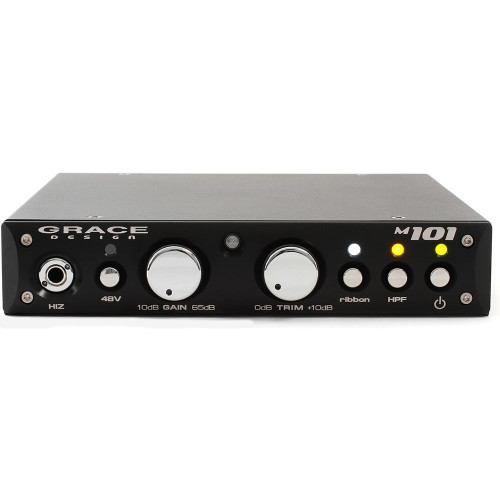
Preamps
Microphone Preamps at Front End Audio
Microphone Preamps are the first active stage in many professional recording chains, providing the gain needed to bring a microphone signal up to line level while influencing headroom, noise performance and, in many designs, the character of the recording. Front End Audio carries Single Channel Preamps, Dual Channel Preamps, Multi-Channel Preamps and 500-Series Preamps for everything from vocal and instrument tracking to drum recording, mobile rigs and large commercial studios. Whether you want clean, transparent gain or a preamp that adds transformer, tube or discrete analog character, choosing the right front end can have a meaningful impact on the sound before it ever reaches the converter.
Choosing a Microphone Preamp
The right Microphone Preamp depends on the microphones you use, the sources you record and whether you want the preamp to stay out of the way or become part of the tone. Clean preamps are useful when accuracy, low noise and high headroom are priorities, while transformer, tube and other character-driven designs can add harmonic texture or respond differently as the input and output stages are pushed. Available gain is especially important with lower-output dynamic and ribbon microphones, while phantom power, polarity reverse, pads, high-pass filters, input impedance options and instrument inputs can make a preamp more flexible across different sessions.
Single Channel Preamps for Focused Recording Chains
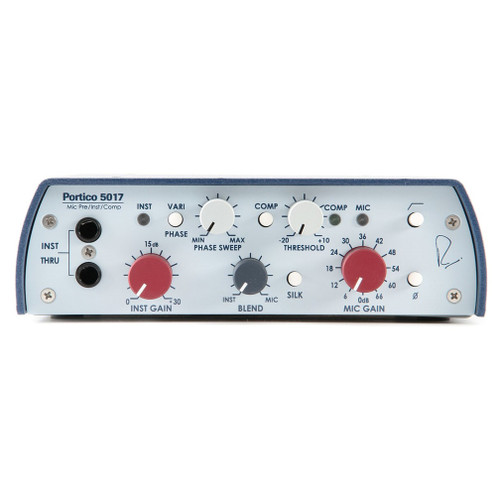
Single Channel Preamps are ideal when you want to build a focused recording path around one microphone or instrument at a time. They are commonly used for lead vocals, bass, acoustic instruments, guitar cabinets and overdubs where the quality and character of one signal chain matter more than channel count. Single-channel designs also make it easier to mix and match different preamp flavors across a studio, giving engineers several front-end options for different microphones and sources.
Dual Channel Preamps for Stereo and Two-Source Recording
Dual Channel Preamps provide two channels of gain in one unit, making them useful for stereo microphone pairs, drum overheads, piano, acoustic ensembles and sessions where two sources need to be recorded at the same time. They can also serve as two independent mono preamps for vocals, instruments or other tracking duties. For engineers who regularly work with stereo techniques or want more channel capacity without moving to a large multi-channel system, a quality two-channel preamp offers a practical balance of flexibility and rack space.
Multi-Channel Preamps for Drums and Larger Sessions
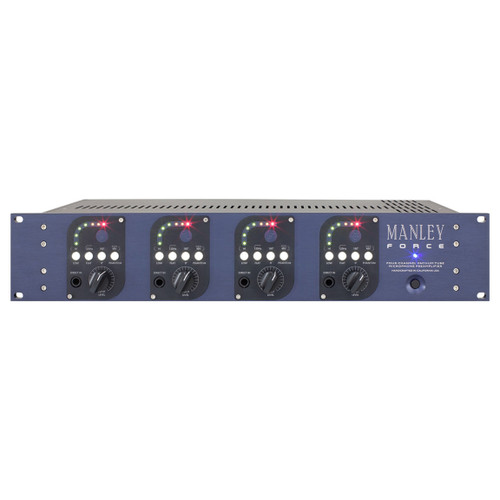
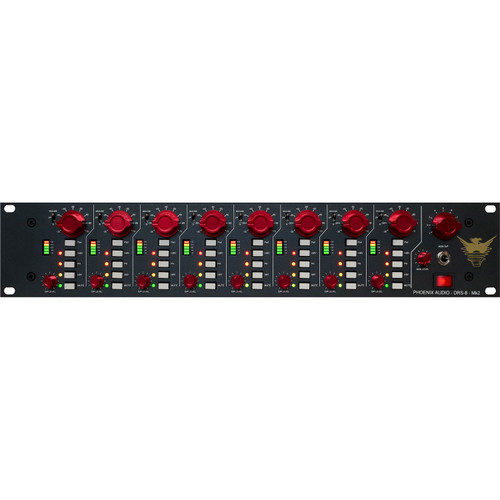
Multi-Channel Preamps are built for sessions where several microphones need to be captured at once. Four-channel and eight-channel designs are especially useful for drums, live bands, ensembles, location recording and studios that need to expand the number of available microphone inputs. Some Multi-Channel Preamps also provide digital expansion such as ADAT, Dante or other connectivity, allowing them to integrate directly with an existing interface or converter system while adding several channels of dedicated microphone gain.
500-Series Preamps and Modular Recording Systems
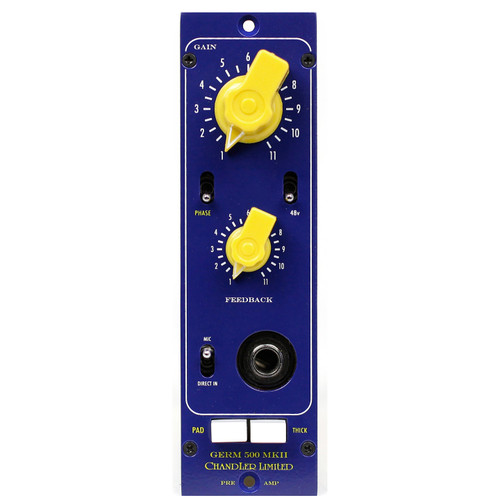
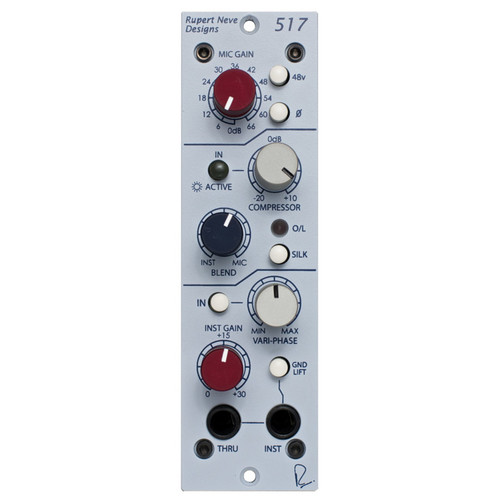
500-Series Preamps bring professional microphone gain into a compact modular format, allowing engineers to combine different preamp designs within the same powered chassis. A 500-Series rack can hold clean, transformer-based, tube-inspired and other preamp circuits alongside Compressors, Equalizers and additional processing modules, making it easy to build several recording chains within a relatively small amount of rack space. This modular approach is especially useful for studios that want access to several distinct preamp sounds without dedicating a full rackmount chassis to every channel.
Clean Gain, Transformer Color and Tube Character
Microphone Preamps can range from extremely transparent designs to circuits intended to add noticeable character. Clean preamps focus on low noise, wide bandwidth and headroom so the microphone and source remain the dominant parts of the sound, while transformer-coupled, tube and discrete designs may introduce additional harmonic content or change character as gain structure is adjusted. These approaches are not simply better or worse than one another; they are different tools. Many professional studios keep several preamp types available so the recording front end can be matched to the microphone, performer and production style.
Match Your Preamp to the Microphone
Microphone choice and preamp choice work together as part of the same recording chain. Condenser Microphones generally provide relatively healthy output and often require phantom power, while Dynamic Microphones and passive Ribbon Microphones may benefit from a preamp with additional clean gain. The best pairing depends on the microphone, source and desired result, which is why available gain, input impedance, noise performance and headroom should all be considered instead of choosing a preamp purely by brand or topology.
Build the Right Recording Front End
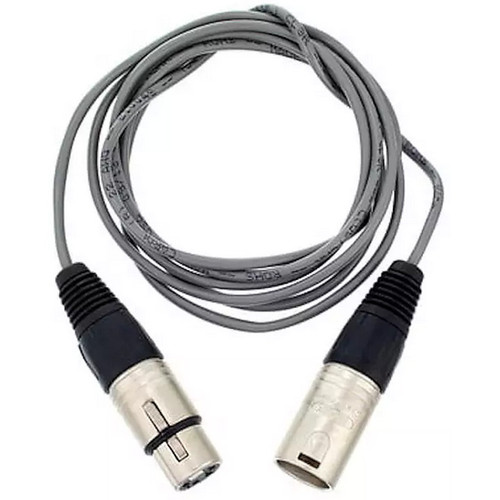
A Microphone Preamp sits at the center of the recording front end, connecting the microphone to the rest of the studio signal chain. Start with the right Microphone for the source, choose a preamp that provides the gain and character you need, and use professional Microphone Cables for reliable signal transfer. From there, the signal can move directly into the converter or through additional analog processing such as Compressors and Equalizers before recording. Building these stages around the way you actually track makes it easier to create a front end that works across vocals, instruments, drums and full sessions.

Sign Up for exclusive sales and offers!