

Single Channel Compressors & Limiters

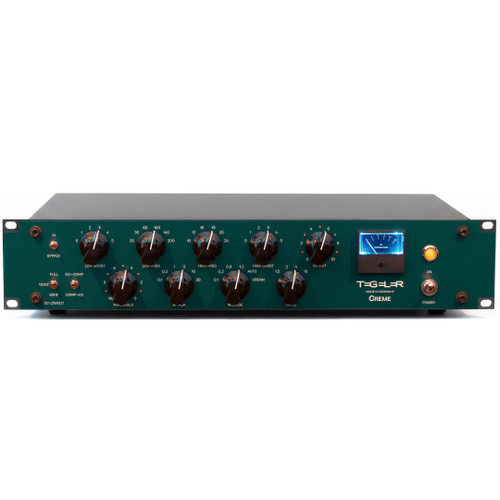
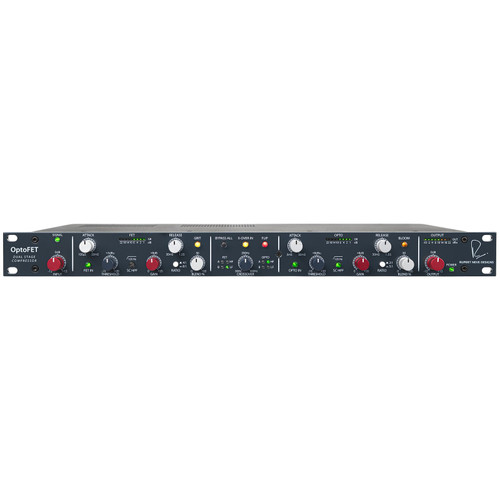


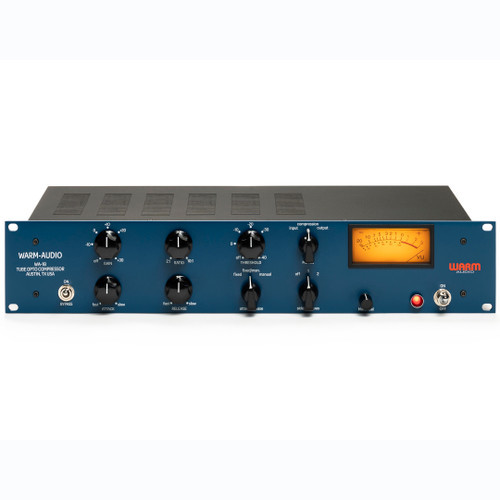
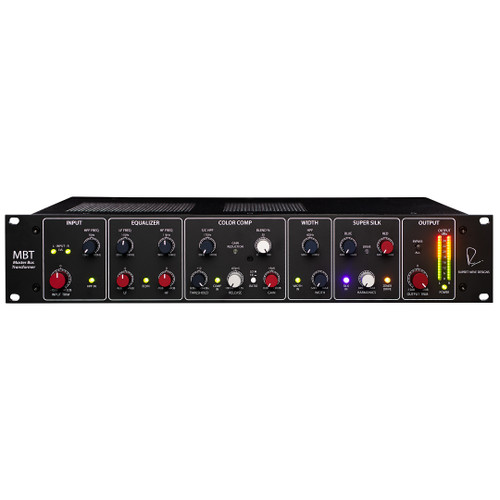


Single Channel Compressors & Limiters at Front End Audio
Single Channel Compressors & Limiters give recording and mixing engineers dedicated control over the dynamics of individual vocals, instruments and other mono sources. From subtle leveling to aggressive peak control and creative compression, these processors can shape both the consistency and character of a signal before or after it reaches the DAW. Front End Audio carries Single Channel Compressors & Limiters based around FET, optical, tube, VCA and other analog designs, giving engineers plenty of choices for vocals, bass, guitars, drums and other important tracks.
Choosing a Single Channel Compressor
The right Single Channel Compressor depends on the source, the amount of dynamic control required and how much you want the processor itself to contribute to the sound. Attack and release controls determine how quickly compression reacts and recovers, while ratio, threshold and makeup gain determine how strongly the signal is controlled. Some compressors offer detailed control over every parameter, while others use simpler interfaces designed around a particular style of compression. Sidechain filters, mix controls, selectable ratios and saturation options can provide additional flexibility when shaping dynamics during tracking or mixing.
FET Compressors for Fast, Characterful Dynamics
FET Compressors are known for fast response and can be especially effective when controlling transients or adding energy and attitude to a source. They are commonly used on vocals, drums, bass and guitars where the engineer wants compression to become part of the sound rather than remain completely transparent. Faster settings can clamp down on peaks, while slower attack settings can allow more of a drum hit, pick attack or vocal transient to pass before compression takes effect. Driving some FET designs harder can also introduce additional harmonic character that makes them useful as creative processors as well as dynamic-control tools.
Optical Compressors for Smooth Leveling
Optical Compressors use a light-dependent gain-control element and are often chosen for smooth, musical leveling rather than extremely fast transient control. Their naturally program-dependent behavior can work especially well on vocals, bass, acoustic instruments and other sources that benefit from gradual dynamic control. Optical designs range from simple leveling amplifiers with only a few controls to more flexible modern compressors, but the common appeal is an intuitive compression response that can make it easier to maintain a consistent level without making the processing feel overly aggressive.
Tube Compressors and Limiting Amplifiers
Tube Compressors and Limiting Amplifiers combine dynamic control with tube-based analog circuitry that can add harmonic density and character to the signal path. Depending on the design, these processors can provide gentle leveling, substantial gain reduction or everything in between. They are popular on vocals, bass, guitars and other sources where compression and tonal character are both part of the recording decision. As with tube preamps and equalizers, the complete circuit matters more than the presence of a tube alone, so different tube compressors can behave and sound very different from one another.
Single Channel Compressors for Vocals
Vocals are one of the most common applications for a Single Channel Compressor because performance level can change dramatically from one phrase to the next. Compression can help control louder peaks and maintain a more consistent vocal level while still preserving the character of the performance. During tracking, engineers may use moderate compression to keep the signal under control on the way into the DAW, while additional processing can be applied during mixing. Pairing a compressor with the right Studio Microphone and Single Channel Microphone Preamp creates a flexible front end for building a dedicated vocal recording chain.
Compression for Bass, Guitar and Instruments
Single Channel Compressors are equally useful on bass, electric guitar, acoustic instruments and keyboards. Bass compression can help control large level changes while maintaining weight and sustain, while guitar compression can smooth peaks or exaggerate sustain depending on the settings. Acoustic instruments may benefit from gentler control that preserves the natural attack of the performance. The key is matching the compressor's response and character to the source rather than applying the same compression approach to every instrument.
Compressors for Kick, Snare and Drum Tracks
Individual drum tracks are another natural application for Single Channel Compressors. Kick and snare can be compressed to control peaks, increase sustain or reshape the relationship between the initial transient and body of the drum, while room microphones can be compressed more aggressively for additional energy and ambience. When building a drum recording setup, Drum Microphone Packages and individual Dynamic Microphones can provide the sources, while dedicated compression gives engineers another level of control once those signals reach the analog processing chain.
Compression vs. Limiting
Compression and limiting both reduce dynamic range, but they are generally used with different amounts and styles of gain reduction. A compressor may gently control variations in level or shape the envelope of a sound, while a limiter typically uses a higher ratio to prevent peaks from exceeding a desired level. Some Single Channel processors can perform both jobs depending on the settings, while dedicated limiting amplifiers are designed around a particular style of gain control. Understanding whether the goal is subtle leveling, transient shaping, peak control or creative compression makes it easier to choose the right processor.
Hardware Compression for Tracking and Mixing
Hardware Compressors can be used while recording or inserted into a mix through an analog I/O path. Tracking through compression allows the engineer to shape dynamics before the signal is recorded, while mixing through hardware provides the flexibility to process previously recorded tracks from the DAW. Engineers building a complete analog channel can combine a Single Channel Microphone Preamp, Single Channel Equalizer and Single Channel Compressor to create a dedicated recording or mixing chain around important sources.
Single, Dual and 500-Series Compressors
Single Channel Compressors are ideal when one source needs dedicated processing, but other formats may make more sense for different workflows. Dual Channel Compressors & Limiters are well suited to stereo sources, buses and paired mono processing, while 500-Series Compressors & Limiters provide compact modular options for studios building custom racks of analog processors. For a broader look at available dynamics processing, explore all Compressors & Limiters at Front End Audio.

 Sign Up for exclusive sales and offers!