


Tube Microphones


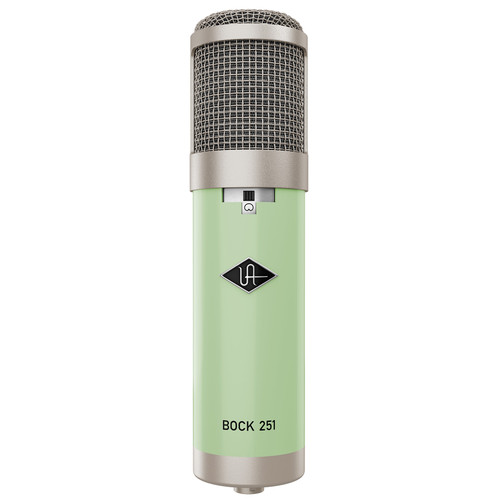
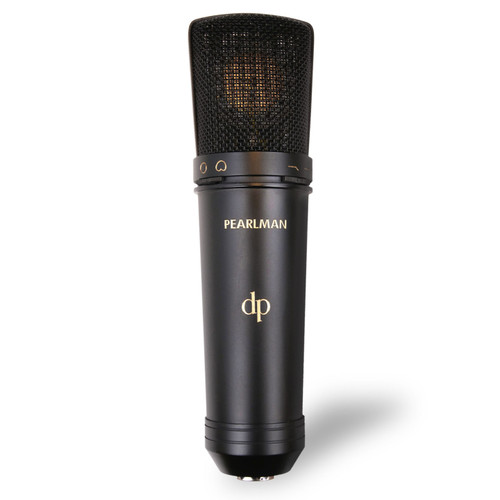


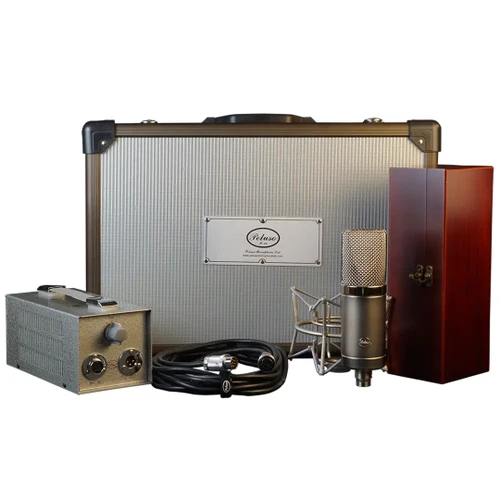


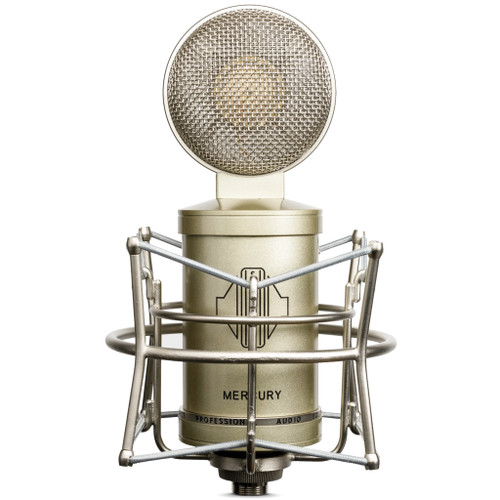

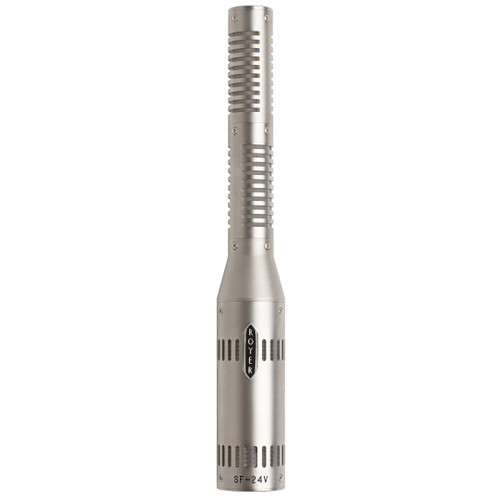

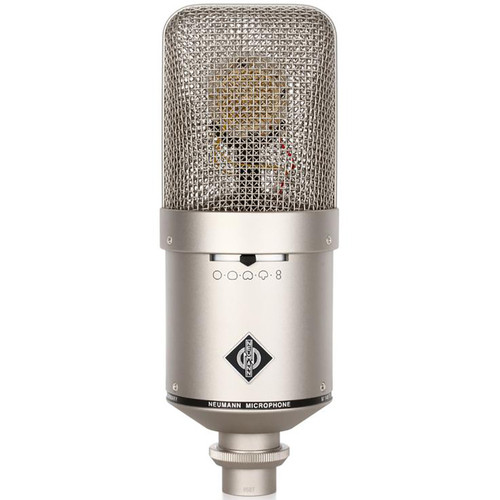
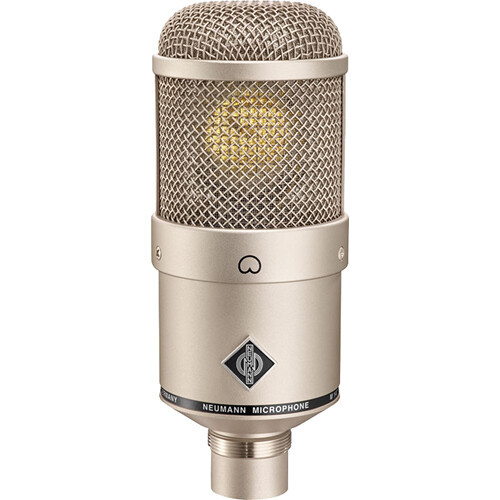
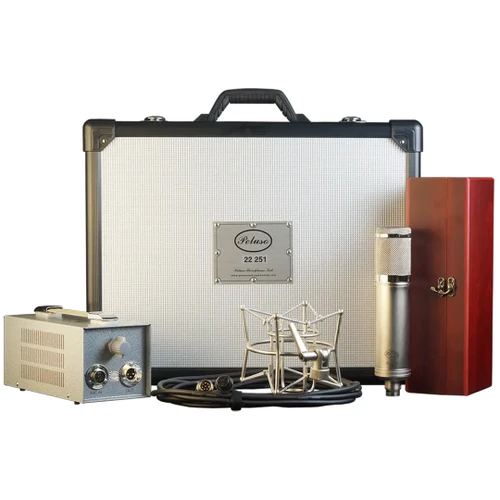
Tube Microphones at Front End Audio
Tube Microphones bring a distinctive combination of detail, depth and harmonic character to professional recording, making them longtime favorites for vocals, acoustic instruments, piano, room miking and other sources where the microphone itself becomes part of the sound. Front End Audio carries Tube Microphones ranging from modern studio designs to microphones inspired by some of the most sought-after classics in recording history. Whether you want a rich vocal microphone, a versatile multi-pattern studio mic or a tube design with its own unmistakable personality, the right microphone can become a centerpiece of your recording chain.
Choosing a Tube Microphone
The right Tube Microphone depends on the source, room and type of character you want from the recording. Capsule design, tube type, transformer, output circuit and power supply all contribute to the way a microphone responds, which is why two tube microphones can sound very different even when they share a similar format. Some designs lean toward smooth and full-bodied reproduction, while others provide more presence, openness or harmonic color. Polar pattern, sensitivity, self-noise, maximum SPL and included accessories should also be considered when matching a microphone to vocals, instruments and different recording environments.
Tube Microphones for Vocals
Vocals are one of the classic applications for Tube Microphones because the combination of a condenser capsule and tube electronics can create a detailed recording with additional harmonic texture and dimension. Different microphones can emphasize very different parts of a voice, so the goal is not simply to find the most expensive tube mic but to find the one that complements the singer. A microphone that adds weight and smoothness may work beautifully on one vocalist, while another performance may benefit from greater presence or openness. Professional studios often keep several vocal microphones available because matching the mic to the singer remains one of the most important decisions in the recording chain.
Tube Microphones for Instruments and Room Recording
Tube Microphones are equally at home on acoustic guitar, piano, strings, drum rooms, guitar amplifiers and other sources where detail and character are both important. A tube design can capture the transient and harmonic information of an instrument while adding its own contribution through the microphone's electronics and output stage. Multi-pattern models can expand those possibilities further by allowing cardioid, omnidirectional and figure-8 pickup for close miking, room recording and stereo microphone techniques. The room itself becomes an important part of the sound when using wider pickup patterns, making placement just as important as the microphone choice.
Multi-Pattern Tube Microphones
Many professional Tube Microphones offer multiple polar patterns, giving engineers more control over how the microphone interacts with the source and room. Cardioid is a practical choice for focused vocal and instrument recording, omnidirectional can capture a more open balance of direct and reflected sound, and figure-8 is useful for techniques such as Mid/Side and Blumlein recording. Some tube microphones provide continuously variable pattern control from their external power supply, allowing the pickup response to be adjusted more precisely for the session. That flexibility can make a multi-pattern tube mic one of the most versatile microphones in a studio.
Modern Tube Microphones and Classic-Inspired Designs
Today's Tube Microphones range from original modern designs to microphones inspired by legendary studio models associated with decades of recorded music. Some manufacturers recreate vintage-style capsule, tube and transformer approaches, while others use tube electronics as part of an entirely modern microphone design. The important distinction is not whether a microphone copies a particular classic, but how its complete signal path works with the voice or instrument in front of it. Front End Audio carries tube microphones across a wide range of designs and price points, giving engineers options for both traditional character and contemporary recording workflows.
Tube vs. Solid-State Condenser Microphones
Tube and solid-state Condenser Microphones can both provide the sensitivity and detail associated with condenser recording, but their electronics approach the signal differently. Solid-state microphones can range from extremely transparent to intentionally colored designs, while Tube Microphones use a vacuum tube within the active circuitry and often require a dedicated external power supply. Neither technology is automatically better for a particular source; the useful distinction is how the microphone's capsule, electronics and overall voicing complement the performer, instrument and recording chain.
Build a Complete Tube Microphone Signal Chain
A Tube Microphone deserves a recording chain that lets you hear what the microphone is actually doing. Pair it with a quality Microphone Preamp for appropriate gain and headroom, and use professional Microphone Cables for reliable signal transfer between the microphone's power supply, preamp and recording system. Engineers building a broader mic locker can also compare Condenser Microphones, Dynamic Microphones and Ribbon Microphones to cover a wider range of voices, instruments and recording situations.

 Sign Up for exclusive sales and offers!