

Ribbon Microphones

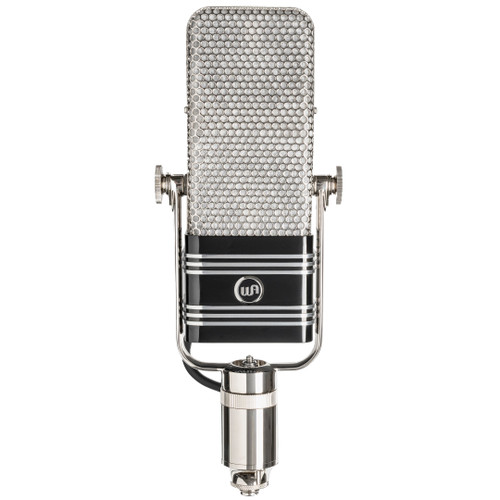


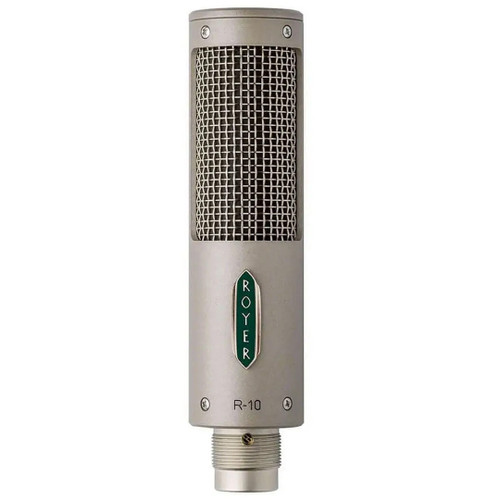
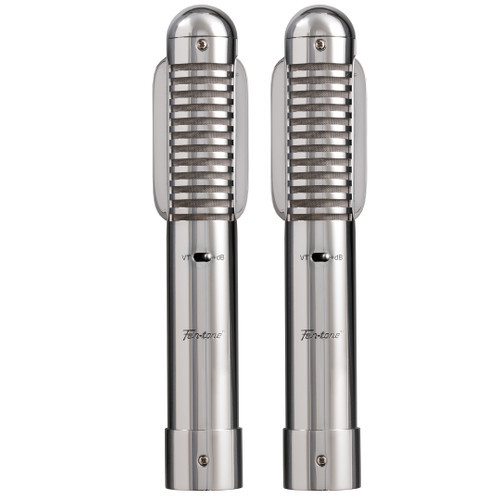

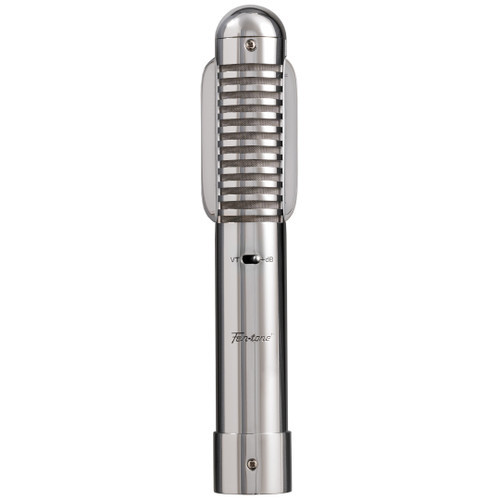

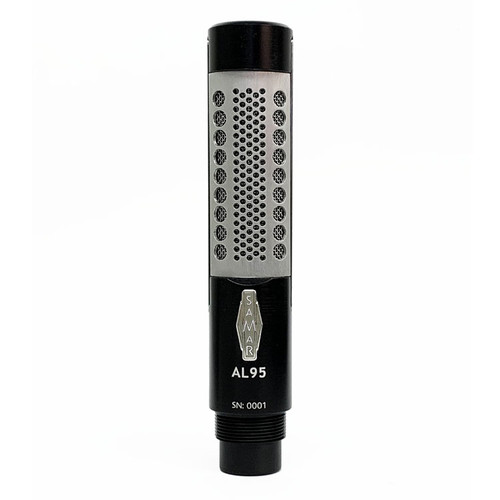
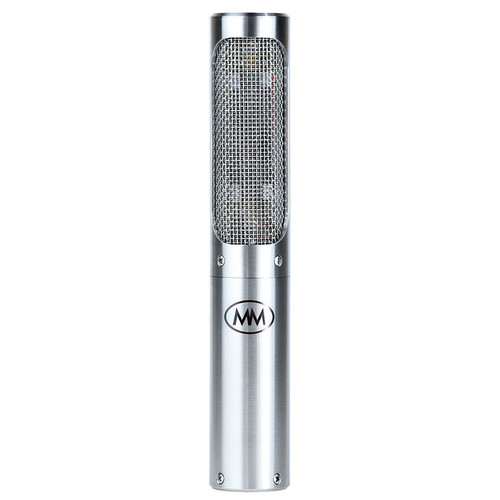

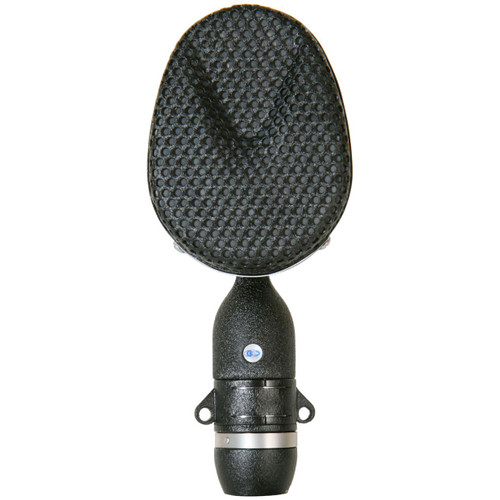
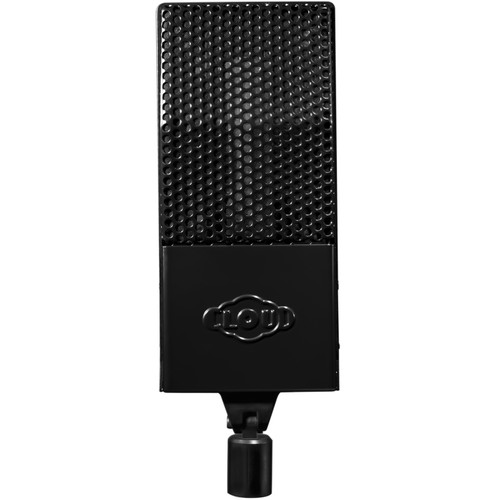

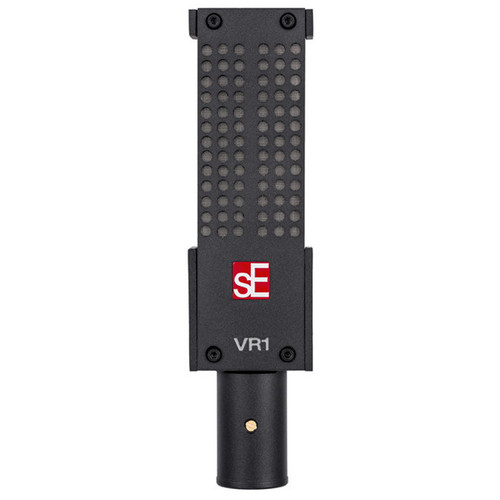

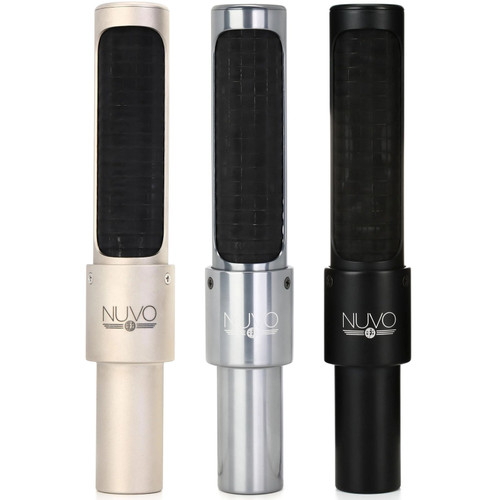


Ribbon Microphones at Front End Audio
Ribbon Microphones are valued by recording engineers for their smooth top end, natural transient response and ability to capture sources with depth and dimension without adding unnecessary edge. Front End Audio carries Ribbon Microphones for electric guitar, drums, brass, vocals, strings, piano, room recording and stereo applications, with both passive and active designs available for different studio workflows. From classic figure-8 ribbons to modern high-output models, the right ribbon mic can add a distinctly musical perspective to a microphone collection.
Choosing a Ribbon Microphone
The right Ribbon Microphone depends on the source, placement and the rest of the recording chain. Traditional passive ribbons often produce lower output and can benefit from a clean, low-noise Microphone Preamp with plenty of available gain, while active ribbon designs incorporate onboard electronics to provide higher output and a more consistent load to the preamp. Pickup pattern, maximum SPL, sensitivity, frequency response and whether the microphone is intended for close or distant placement should all be considered when choosing the right ribbon for the session.
Active and Passive Ribbon Microphones
Passive Ribbon Microphones use the ribbon element and transformer or output circuit without an active amplifier stage, preserving the traditional approach that helped define many classic ribbon designs. Active Ribbon Microphones add powered electronics that increase output and can make the microphone easier to pair with a wider range of preamps. Neither approach is automatically better; passive ribbons can be an excellent match for high-gain studio preamps, while active models can provide additional flexibility when preamp gain or impedance would otherwise limit the setup.
Ribbon Microphones for Electric Guitar and Amplifiers
Electric guitar cabinets are one of the most popular applications for Ribbon Microphones. A ribbon can help capture the weight and midrange character of an amplifier while keeping aggressive high-frequency content under control, making it a useful alternative or complement to a Dynamic Microphone. Engineers often adjust the distance and angle of the ribbon to balance direct speaker tone with room sound, and pairing a ribbon with a Dynamic Microphone can provide two very different textures that can be blended during the mix.
Ribbon Microphones for Drums, Brass and Room Recording
Ribbon Microphones can work extremely well on drum overheads, front-of-kit positions, room microphones, brass, percussion and other sources where a smooth and natural capture is useful. The figure-8 pattern found on many ribbon microphones picks up sound from both the front and rear while rejecting the sides, which can make placement especially important in a reflective room. On loud sources, modern ribbon microphones can often handle substantial sound pressure levels, but engineers should still follow the manufacturer's placement and handling recommendations for the specific model.
Ribbon Microphones for Vocals and Acoustic Instruments
Ribbon Microphones can provide a distinctive alternative to traditional condenser and dynamic microphones on vocals, acoustic guitar, strings, piano and other instruments. Their naturally smooth response can work particularly well on bright sources or performers where a condenser microphone feels too forward, while careful placement can capture both the direct sound and the character of the room. For engineers comparing different microphone technologies, Condenser Microphones and Dynamic Microphones provide complementary options for building a versatile mic locker.
Stereo Ribbon Microphones and Figure-8 Recording
Stereo Ribbon Microphones combine multiple ribbon elements or stereo pickup systems in a single microphone body, making them useful for drum overheads, ensembles, room recording, piano and other sources where a coherent stereo image is important. The figure-8 response of ribbon elements also makes them especially useful for stereo techniques such as Blumlein and Mid/Side recording. These approaches can capture both the direct source and the acoustic character of the room, making stereo ribbon microphones valuable tools when space and ambience are part of the sound.
Build a Complete Ribbon Microphone Signal Chain
A Ribbon Microphone should be paired with a recording chain that provides the gain, impedance and connectivity the microphone requires. Start with a quality Microphone Preamp, use professional Microphone Cables, and compare ribbon designs with the broader selection of Studio Microphones available at Front End Audio. Choosing several microphone technologies gives you more options for matching the mic to the performer, instrument and room instead of forcing one design to handle every recording situation.

 Sign Up for exclusive sales and offers!