

Instrument Cables


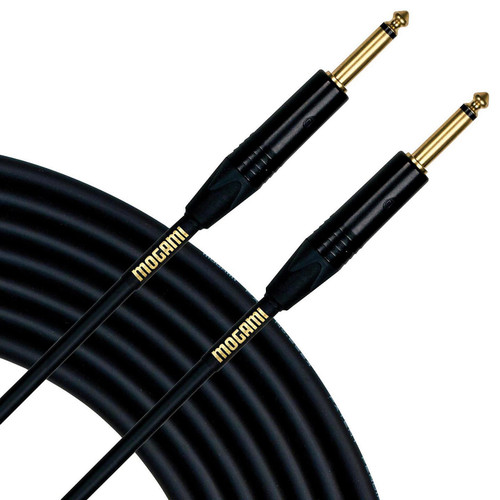


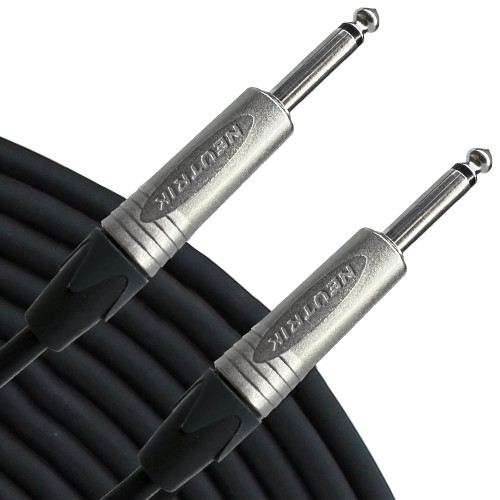

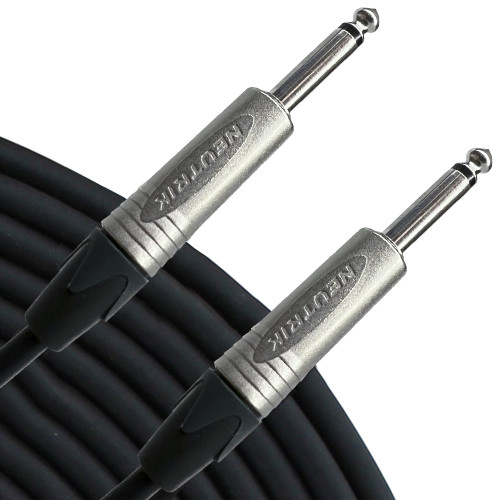
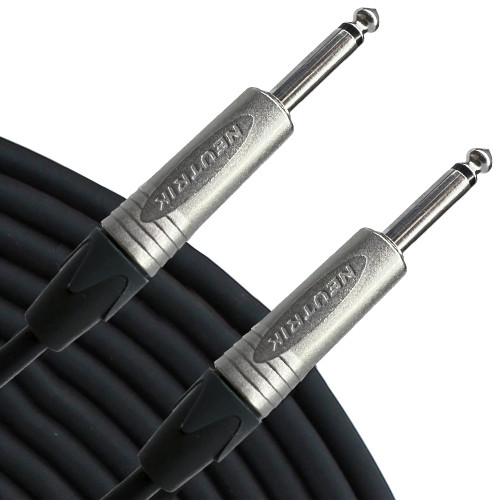


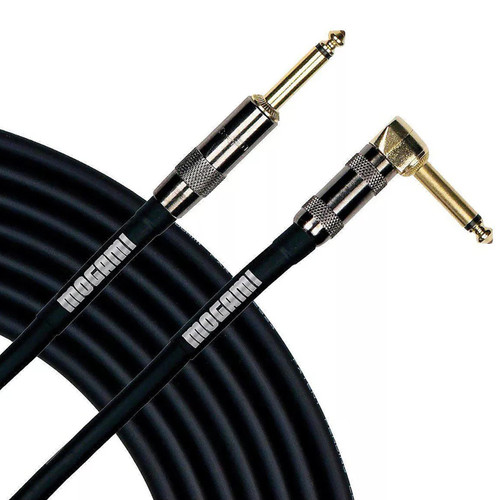


Instrument Cables at Front End Audio
Instrument Cables are the direct connection between your guitar, bass or other instrument and the rest of the signal chain, so reliability matters every time you plug in. Front End Audio carries professional guitar and instrument cables for studio recording, pedalboards, amplifiers, direct boxes and performance rigs, with options ranging from practical everyday cables to premium designs built for demanding studio use. Most guitar and bass setups use 1/4-inch TS connections, but the cable still needs to make sense for the way you work. Length, flexibility, connector orientation and overall construction can all affect how convenient the cable is around a pedalboard, amp or recording room. A good instrument cable should feel dependable, route cleanly and stay out of the way so you can focus on the performance rather than the connection.
Choosing the Best Guitar Cable for Recording
The best guitar cable for recording is not automatically the most expensive option; it is the cable that works well with the instrument, signal path and room. A guitarist sitting near an amplifier or Direct Box may only need a relatively short run, while a larger tracking room can require considerably more distance between the instrument, pedalboard and amp. Keeping the cable only as long as necessary is generally a sensible approach, particularly with passive electric guitars and basses where the cable becomes part of the high-impedance instrument circuit. Construction matters as well. Good strain relief and dependable plugs become especially important when a cable is repeatedly stepped on, wrapped around pedals and coiled after sessions. For studio use, we would rather have a properly sized cable you trust every day than an unnecessarily long cable that spends half its life piled on the floor.
Guitar Cable Length, Capacitance and Your Instrument Tone
Instrument cable length can matter more than many players realize, especially with passive guitar and bass pickups. The capacitance of the cable interacts with the instrument's pickups and electronics, and longer cable runs generally introduce more total capacitance into that circuit. Depending on the guitar, cable and amplifier input, that can subtly change the high-frequency response and overall feel of the instrument. This is one reason some players deliberately prefer a particular cable construction while others simply keep the run reasonably short and consistent from session to session. It is also why comparing guitar cables is more useful when you evaluate them in the actual rig rather than judging them only by a specification or price tag. If the signal needs to travel a much longer distance, converting it appropriately with a Direct Box can make more sense than simply adding an extremely long unbalanced instrument cable.
Mogami, Colossal Cable and Professional Guitar Cables
Mogami has the largest presence in Front End Audio's current Instrument Cables assortment, with Gold and Platinum guitar cables available in multiple lengths and straight or right-angle configurations. Colossal Cable is another purposeful option in this category for players looking at premium studio-focused instrument cabling, while RapcoHorizon offers a broad range of practical G3 guitar cables across several useful lengths. These are good examples of the range available rather than simply a list of brands: Mogami gives the category a deep premium offering, Colossal Cable provides another higher-end approach, and RapcoHorizon covers dependable working-cable needs at more accessible price points. The right choice comes down to the instrument, budget, cable length and how heavily the cable will be used.
Straight vs. Right-Angle Guitar Cables for Pedalboards and Amplifiers
Connector orientation is a small detail until the wrong plug gets in the way. Straight connectors are a natural choice for many guitars, amplifiers and rack connections, while right-angle plugs can make more sense on instruments with side-mounted output jacks or where space around a pedalboard is tight. Front End Audio's current Instrument Cables assortment includes both straight and 90-degree configurations, allowing you to choose around the actual layout of the rig. If your guitar setup includes multiple pedals, our Guitar Pedals & Effects category is another useful part of planning that signal path. The goal is to reduce unnecessary bends and strain at the connector while keeping the cable routed in a way that does not interfere with playing or equipment placement.
Instrument Cables for Guitar Amps, Direct Boxes and Studio Recording
Instrument cables show up in several different places in a studio guitar or bass chain. You may run directly from the instrument into a Guitar Amplifier, feed a pedalboard first, or split the signal through a DI so you can record a clean direct track at the same time as the amplifier. Each of those setups can require more than one instrument cable, which makes consistent lengths and reliable connectors especially useful when sessions need to be set up quickly. A DI recording can also provide flexibility later if you decide to reamp the performance or combine the direct signal with a miked cabinet. Front End Audio has been helping studios put together practical recording signal chains since 2003, and our non-commissioned team can help you sort through cable length, connector orientation and the rest of the guitar or bass setup. If you are unsure which instrument cable makes the most sense for your rig, call us at 888-228-4530 and we'll help you get it connected properly.

 Sign Up for exclusive sales and offers!