


Channel Strips


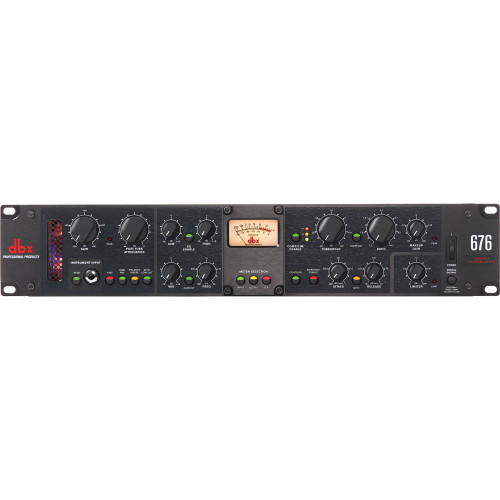
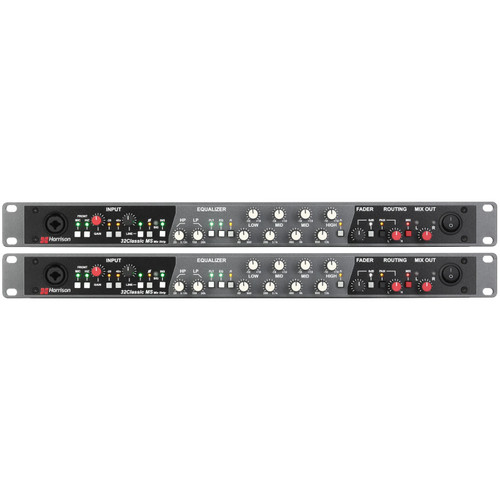


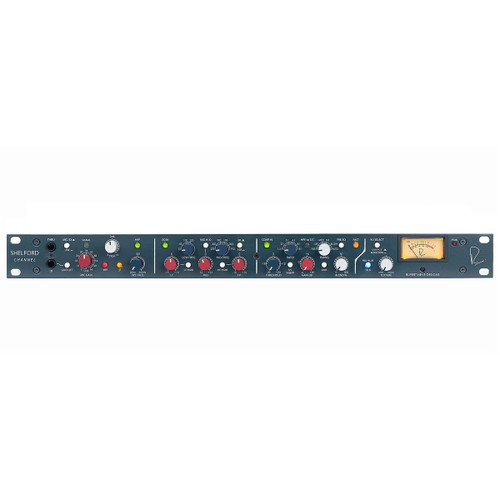


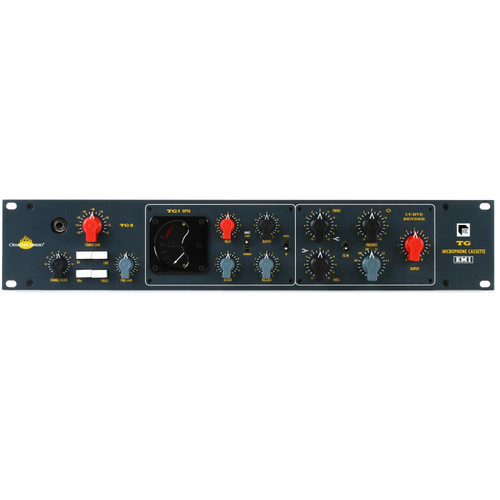


Channel Strips at Front End Audio
Channel Strips bring several stages of the recording signal chain together in one piece of hardware, giving engineers a streamlined way to handle microphone gain, tone and dynamics before the signal reaches the converter. Front End Audio carries Single Channel Channel Strips, Dual Channel Channel Strips and 500-Series Channel Strips for vocals, instruments, drum recording and complete studio front ends. Depending on the design, a Channel Strip may combine a Microphone Preamp with EQ, compression, filtering, De-Essing, gating or additional tone-shaping tools, allowing you to build a consistent recording chain without patching several separate processors together.
Choosing a Recording Channel Strip
The right Recording Channel Strip depends on which parts of the signal chain you want integrated and how much control you need while tracking. Some designs focus on a high-quality Microphone Preamp and Equalizer, while others add compression, limiting, De-Essing, gates, saturation or instrument inputs. Consider how the individual processing sections can be routed, bypassed or reordered, as well as whether the unit provides enough gain for the microphones you use. A good Channel Strip should simplify the recording workflow while still giving you the flexibility to shape a source only when the session calls for it.
Single Channel Strips for Vocals and Instruments
Single Channel Channel Strips are ideal for building a focused signal path around an important vocal, instrument or overdub. They can combine preamplification and processing in one rack space, making it easy to establish a repeatable front end for lead vocals, bass, acoustic guitar, voiceover and other sources. Current Channel Strip designs range from clean and flexible recording tools to transformer, tube and discrete circuits that intentionally add character, giving engineers options for both transparent capture and more personality-driven recording chains.
Dual Channel Strips for Stereo and Two-Source Recording
Dual Channel Channel Strips provide two recording paths in a single system, making them useful for stereo microphone techniques, drum overheads, piano, acoustic ensembles and sessions where two sources need the same type of front-end processing. They can also be used as independent mono channels for vocals or instruments. Depending on the design, both channels may provide preamplification, EQ, dynamics and routing options, allowing engineers to build matched or complementary signal chains without using multiple separate rack units.
500-Series Channel Strips and Modular Front Ends
500-Series Channel Strips bring multiple stages of recording processing into the compact 500-Series format. A single module may combine a Microphone Preamp with EQ, compression or other controls, making it possible to build several complete input channels inside one powered chassis. This can be especially useful for studios that want flexible front-end options without dedicating a full rack space to every channel. 500-Series Channel Strips can also sit alongside dedicated preamps, compressors and equalizers in the same rack, allowing each position to be configured around the way the studio records.
Channel Strips for Vocals
Vocals are one of the most common reasons engineers choose a Channel Strip because several important recording decisions can be handled from one front-end processor. A quality Microphone Preamp establishes gain, EQ can shape broad tonal balance, compression can control peaks and dynamics, and De-Essing or filtering can help manage problem areas before recording. The goal is not to process every vocal heavily on the way in, but to have the right controls available when they help the performer and recording sit naturally in the session.
Channel Strips for Tracking and Hybrid Studios
Channel Strips are useful well beyond traditional console-style recording. In a modern hybrid studio, they can provide dedicated analog front ends for an Audio Interface, giving engineers access to outboard preamplification and processing while keeping the rest of the session inside the DAW. Some units can also be used at line level during mixing, allowing the EQ, dynamics or saturation stages to process previously recorded tracks. That flexibility makes a Channel Strip valuable when you want one piece of hardware to serve both tracking and production roles.
Channel Strips vs. Separate Preamps, EQs and Compressors
A Channel Strip provides convenience and a consistent signal path, while separate processors provide maximum freedom to mix and match different circuits. Engineers who want to build highly customized chains may prefer dedicated Microphone Preamps, Equalizers and Compressors & Limiters, while a Channel Strip can place several of those functions within one integrated system. Neither approach is inherently better; the right choice depends on workflow, available rack space and how often you want to change the order or character of the recording chain.
Build the Right Studio Front End
A Channel Strip sits between the microphone and recording system, so it should be chosen around the sources and equipment you use most often. Start with the right Studio Microphones, choose a Channel Strip that provides the gain and processing your sessions require, and feed the finished signal into an Audio Interface or converter for recording. Engineers who prefer a modular approach can build around 500-Series Channel Strips, while traditional rackmount units provide another option for dedicated vocal and instrument chains.

 Sign Up for exclusive sales and offers!