

Monitoring
Studio Monitoring Equipment at Front End Audio
Studio Monitoring Equipment gives recording, mixing and mastering engineers the reference they need to make confident decisions about balance, tone, dynamics and translation. Front End Audio carries a complete range of monitoring solutions including Studio Monitors, Room Correction systems, Studio Headphones, Monitor Controllers and Personal Monitoring Systems. Whether you are building a project studio, upgrading a commercial control room or improving performer cue mixes, the right monitoring system helps you hear what is actually happening in the mix and make decisions that translate beyond the studio.
Choosing the Right Studio Monitors
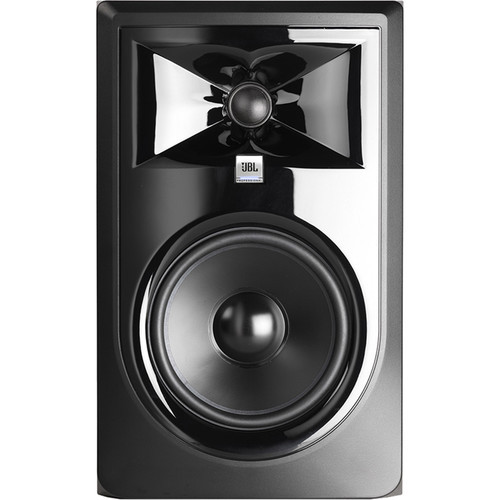
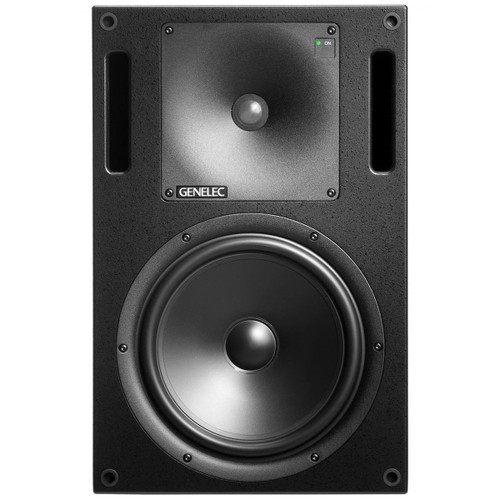
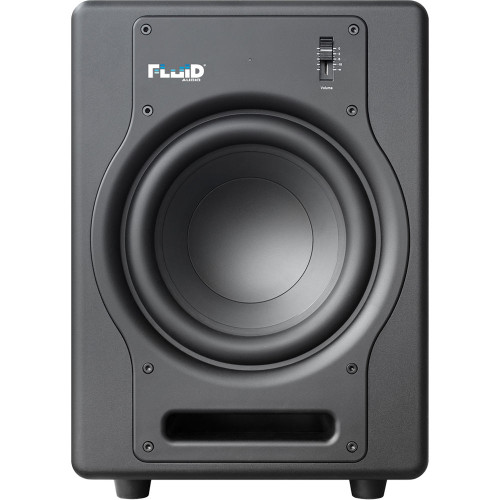
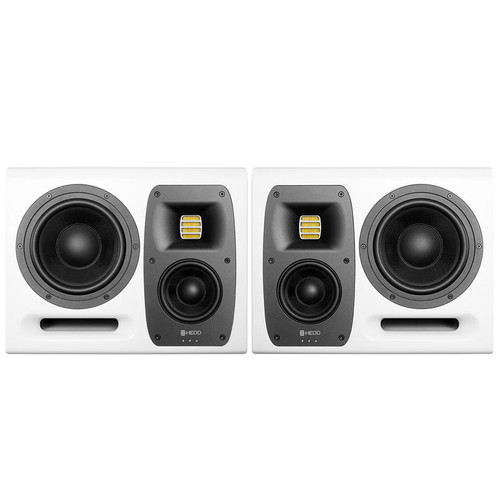
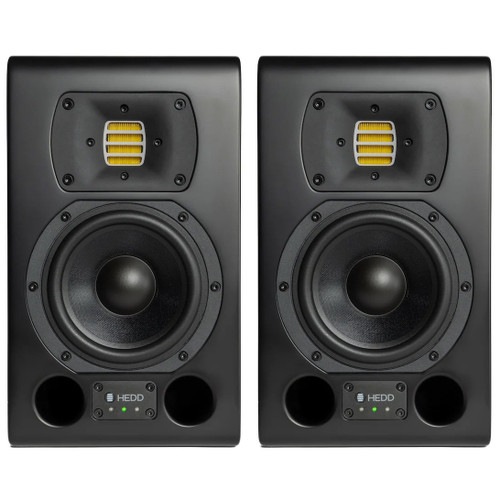
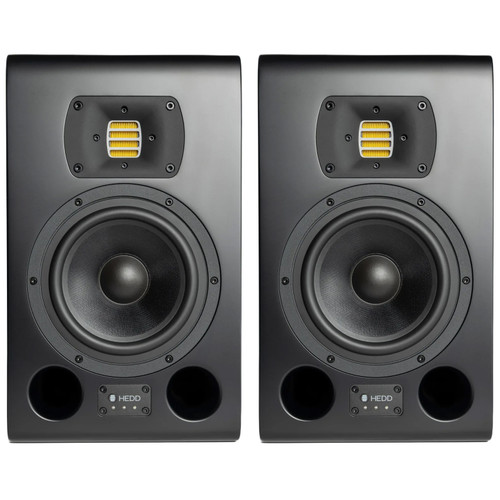
Studio Monitors are the primary reference for most recording and mixing environments, and choosing the right pair starts with the room, listening distance and type of work being performed. Nearfield monitors are commonly used in project and professional studios because they allow engineers to work relatively close to the speakers, while larger systems can provide greater output and low-frequency extension for bigger control rooms. Monitor size, driver configuration, placement and room acoustics all influence what you hear, so the best monitoring system is one that fits both the space and the way you work.
Room Correction and Monitor Calibration
Room Correction and Monitor Calibration systems help engineers understand and compensate for how the listening environment affects the response of their Studio Monitors. Depending on the system, measurement microphones, analysis software, dedicated hardware processors or monitor-integrated DSP can be used to measure the listening position and create correction profiles for more consistent monitoring. Room Correction is not a replacement for proper speaker placement or acoustic treatment, but it can help refine the monitoring response and address problems that remain after the room and speakers have been set up correctly. For mixing and mastering, a more predictable monitoring reference can make it easier to judge frequency balance, stereo imaging and overall mix translation.
Monitor Controllers and Speaker Management
A Monitor Controller provides centralized control over speaker selection, listening level and source routing, making it especially useful when a studio uses multiple monitor systems. Depending on the unit, a Monitor Controller may also provide mute, dim and mono functions, subwoofer control, talkback, headphone monitoring and switching between analog or digital sources. Keeping these functions within easy reach allows engineers to compare different references quickly and maintain a consistent monitoring workflow without constantly changing settings inside the DAW or audio interface.
Studio Headphones for Tracking and Critical Listening
Studio Headphones provide another essential monitoring reference for tracking, editing, mixing and detailed listening. Closed-back and isolation headphones are commonly used during recording because they help reduce microphone bleed, while open-back headphones are often chosen for critical listening and mix reference when isolation is less important. Headphones can also reveal low-level detail, stereo placement, noise and other elements that may be easier to identify away from the main speakers, making them a useful complement to a well-designed Studio Monitor system.
Personal Monitoring and Performer Cue Systems
Personal Monitoring Systems give musicians more control over what they hear during tracking and live performance. Instead of relying on a single cue mix for every performer, many systems allow individual musicians to adjust their own balance of vocals, instruments, click tracks and other sources. This can reduce the amount of cue-mix management required from the control room while giving each performer a monitoring balance that supports a better performance. For studios recording full bands or multiple musicians at once, a flexible personal monitoring system can become an important part of the overall workflow.
Headphone Amplifiers and Cue Distribution
Studios that need additional headphone outputs can expand their monitoring setup with dedicated Headphone Amplifiers. Single-listener models can provide a dedicated high-quality monitoring path for an engineer or producer, while multi-channel Headphone Amplifiers distribute cue mixes to several performers during tracking. More advanced systems may provide individual level controls, multiple source inputs or additional cue routing, making it easier to build a headphone monitoring setup around the number of musicians and mixes required for the session.
Build a Complete Studio Monitoring System
A reliable monitoring setup is built by treating the speakers, room and control system as one connected chain. Start with Studio Monitors that fit the room and listening distance, use Room Correction or Monitor Calibration when you need greater insight into the in-room response, and add a Monitor Controller when multiple speakers or sources need to be managed. Studio Headphones, Headphone Amplifiers and Personal Monitoring Systems can then handle critical headphone reference and performer cue mixes. Building these pieces around the way the studio actually operates creates a monitoring workflow that supports recording, mixing, mastering and critical listening without getting in the way of the work.

Sign Up for exclusive sales and offers!
