Studio Consoles

Studio Consoles & Recording Mixers at Front End Audio

Studio Consoles & Recording Mixers bring routing, gain control, monitoring and hands-on mixing together at the center of a professional recording system. Front End Audio carries Consoles ranging from compact desktop mixers and hybrid studio desks to large-format analog recording consoles and dedicated mastering systems, along with Console Accessories for compatible installations. Whether you are building a tracking room around a traditional analog workflow, adding tactile control and summing to a DAW-based studio or creating a dedicated mastering environment, the right console can become the operational center of the entire room.

Choosing a Studio Console

The right Studio Console depends on how many sources you need to record and mix, how much analog processing you want built into each channel and how the desk will integrate with the DAW. Channel count, microphone preamps, EQ, routing, buses, inserts, direct outputs, monitoring, automation and computer connectivity can all influence the decision. A smaller desktop mixer may provide exactly the routing and summing a hybrid studio needs, while commercial tracking rooms may require dozens of microphone inputs, extensive cue routing and a larger mix architecture. The goal is to choose a console around the workflow rather than simply buying the largest desk the room can accommodate.

Analog Recording Consoles for Tracking and Mixing

Analog Recording Consoles provide a traditional signal path where microphones and instruments can move through onboard preamps, EQ, inserts, buses and faders before reaching the recording system. During tracking, the console can handle gain, cue mixes and routing for multiple performers, while during mixing it can bring DAW outputs back onto physical channels for hands-on level control and analog summing. Pairing a console with the right Studio Microphones and outboard processors creates a complete front end for studios that want analog hardware to remain central to both recording and mixing.

Hybrid Consoles for DAW-Based Studios

Hybrid Studio Consoles combine the speed and recall of a DAW with the routing, tactile control and analog signal path of dedicated hardware. Tracks can leave an Audio Interface or converter, pass through the console for level, panning, inserts and summing, and then return to the digital system for final capture. This approach allows engineers to use hardware Compressors & Limiters, Equalizers and other Outboard Gear while keeping editing, automation and session management inside the DAW.

Desktop Mixers and Compact Studio Consoles

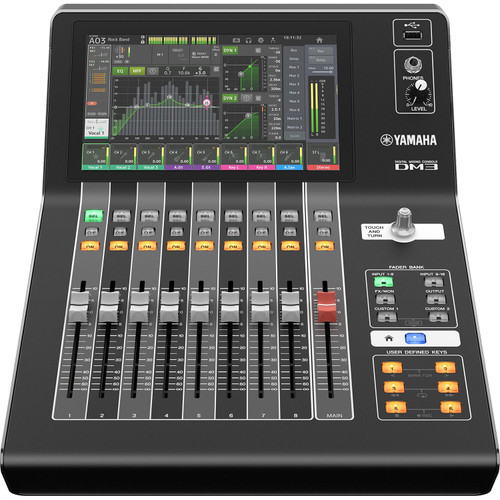
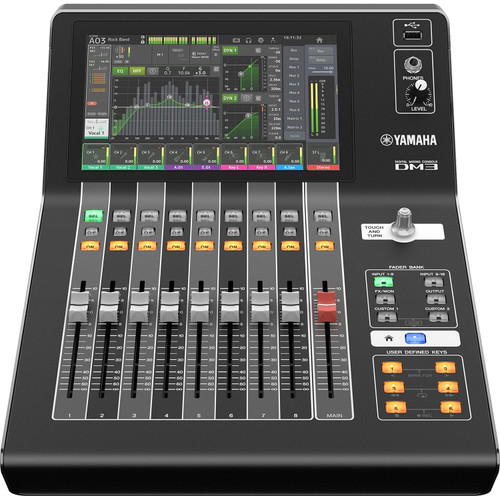
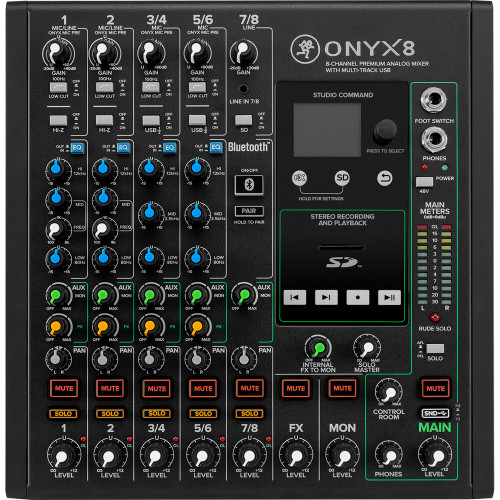
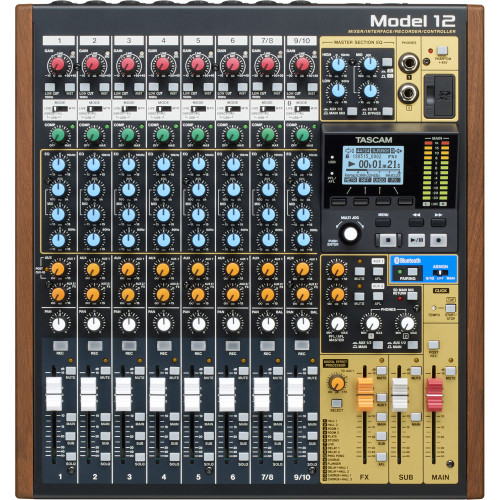
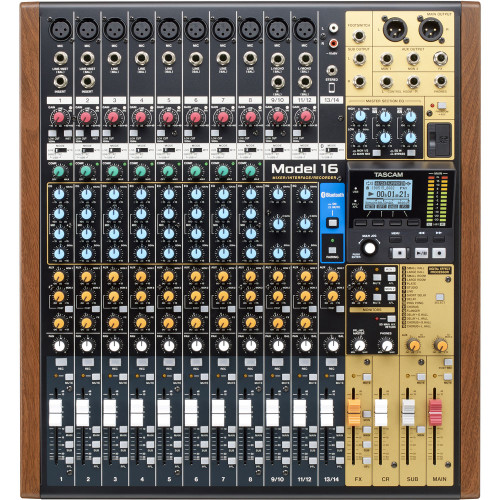
Not every studio needs a large-format desk. Compact and desktop Studio Consoles can provide professional routing, microphone inputs, monitor control, summing and hands-on mixing in rooms where space is limited. These systems can work especially well in project studios, production rooms and hybrid setups where most editing remains inside the computer but engineers still want a dedicated analog front end and physical mix path. Current console designs range from streamlined analog mixers to integrated systems with USB recording, onboard conversion or digital routing.

Large-Format Recording Consoles

Large-Format Consoles are designed for studios that need substantial channel count, extensive routing and simultaneous control over complex tracking and mixing sessions. Multiple microphone preamps, EQ sections, aux sends, groups, direct outputs and monitor paths can allow an entire session to be managed from one central surface. These desks remain especially relevant in commercial recording studios where drums, bands, orchestras and other larger sessions require many inputs and cue mixes at once. The physical layout can also make fast collaborative decisions easier when several sources need attention simultaneously.

Studio Consoles for Analog Summing

A Studio Console can also serve as the analog summing stage in a hybrid mix. Multiple DAW outputs are converted to analog, routed through separate console channels and combined into a stereo mix bus before being recorded back into the digital system. Engineers who want analog summing without the additional routing and channel-strip functions of a full console can instead explore Summing Mixers, while a console provides a broader solution when faders, panning, inserts, monitoring and additional routing are also important.

Mastering Consoles and Critical Signal Routing

Mastering Consoles are built around the specialized routing and level-management needs of stereo mastering rather than traditional multi-channel tracking. They can provide precise source selection, processor insertion, monitoring and level control for analog mastering chains, making it easier to compare processing paths and maintain repeatable settings. These systems are often paired with dedicated AD/DA Converters, analog Equalizers and dynamics processors to create a complete mastering signal path.

Console Monitoring and Control-Room Workflow

Many Studio Consoles provide integrated monitor routing so engineers can switch sources, manage control-room levels and create headphone or cue mixes directly from the desk. In studios where monitoring is handled separately, a dedicated Monitor Controller can provide speaker switching, source selection, talkback and level management outside the console. Which approach works best depends on the console architecture and whether monitoring needs to remain independent from the recording and mix signal path.

Console Accessories and Studio Integration

Console Accessories provide the supporting hardware required to install, expand and protect compatible Studio Consoles. Current accessories include rackmount hardware, carrying solutions, power supplies and model-specific components. When building a console-based studio, these details should be planned alongside cabling, patching, furniture and I/O so the complete system can be installed cleanly and remain easy to service as the studio grows.

Build a Complete Console-Based Studio

A Studio Console works best when the rest of the recording system is designed around its signal flow. Start with Studio Microphones for capture, route the console through an Audio Interface or dedicated conversion system for recording, integrate Compressors & Limiters and Equalizers through channel or bus inserts, and build the monitoring path around professional Studio Monitors. Studios that want analog mix-bus character without the size and routing of a full desk can also compare dedicated Summing Mixers.