

Multi-Channel Snakes







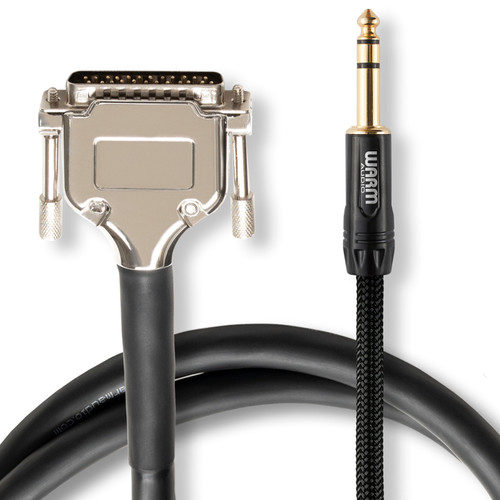


Multi-Channel Audio Snakes at Front End Audio
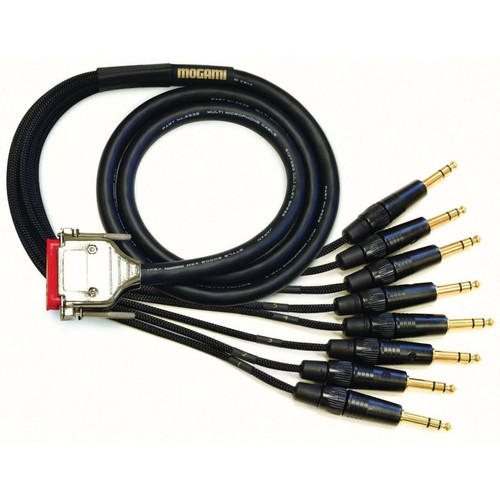
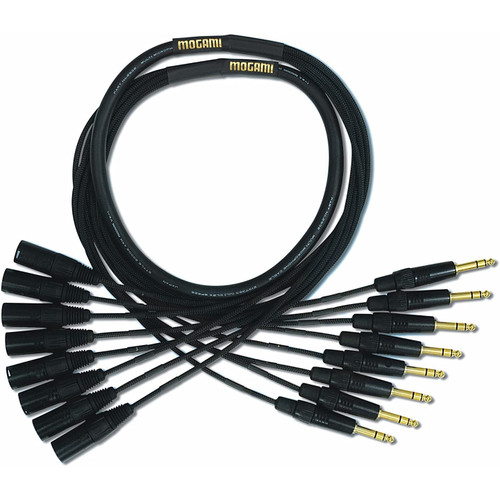
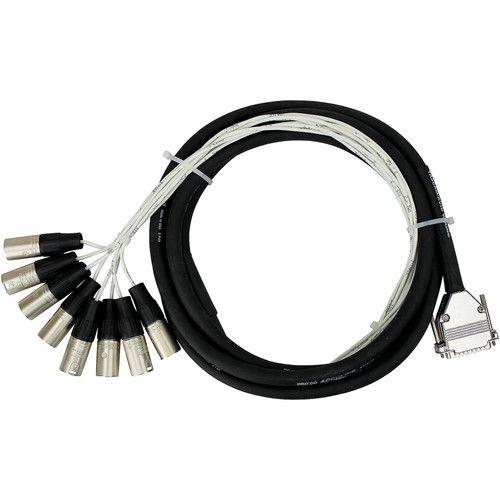
Multi-Channel Audio Snakes are one of the cleanest ways to move several channels between the major pieces of a recording studio without running a separate cable for every input and output. Front End Audio carries professional studio snakes for connecting Audio Interfaces, Converters, Patchbays, consoles and racks of analog outboard gear, with configurations ranging from XLR and TRS fan-outs to high-density DB25 connections. For a small studio, a four- or eight-channel snake can turn a handful of loose cables into a much more manageable signal path. In a larger hybrid room, DB25 and multi-channel cabling can become the backbone of the entire analog I/O system. The important part is choosing the correct connector format, channel count, wiring standard and length before everything disappears behind the rack.
Choosing the Best DB25 Cable or Audio Snake for a Recording Studio
The best DB25 cable or multi-channel snake is the one that matches both ends of the connection exactly. DB25 has become especially useful in professional recording because a single connector can carry multiple channels between compatible interfaces, converters, patchbays and analog processors, dramatically reducing the amount of individual wiring behind the equipment rack. But the connector itself does not tell the whole story. You still need to confirm whether the equipment is analog or digital, which pinout or wiring standard it uses, the connector required at the other end and whether male or female XLR breakouts are appropriate for the signal direction. A DB25-to-DB25 cable can be ideal between compatible pieces of rack gear, while DB25-to-XLR and DB25-to-TRS fan-outs make considerably more sense when the other device uses individual analog connections. Checking those details before ordering is far easier than discovering a wiring mismatch after the entire rack is installed.
DB25 to XLR, DB25 to TRS and D-Sub Snakes for Studio Gear
D-Sub Snakes are particularly valuable in studios with high channel counts because they consolidate several analog or digital connections into a compact cable assembly. DB25-to-XLR snakes are commonly used when connecting multichannel equipment to gear with individual XLR inputs or outputs, while DB25-to-TRS cables are useful with interfaces, patchbays and processors built around balanced quarter-inch connections. DB25-to-DB25 cables offer the cleanest installation when both devices support compatible D-Sub connections. Mogami has an especially deep presence in this part of the Front End Audio assortment, with DB25-to-DB25, DB25-to-XLR and DB25-to-TRS configurations alongside dedicated AES cabling. RapcoHorizon and Warm Audio also offer a substantial range of breakout snakes, giving studios meaningful choices in construction, connector configuration, length and price without changing the basic job the cable needs to accomplish.
8-Channel Audio Snakes for Interfaces, Preamps and Outboard Gear
8-Channel Snakes are a natural fit for recording studios because so much professional equipment is organized around eight channels of analog I/O. They can simplify connections between multichannel preamps, converters, interfaces, patchbays and other rack equipment while keeping the wiring together as one manageable assembly. Fan-out configurations are available with XLR or TRS connectors when individual connections are needed at one end, while DB25 assemblies can keep both ends compact when the hardware supports them. Front End Audio also carries 4-Channel Snakes and 6-Channel Snakes for smaller systems, along with 16-Channel Snakes and 24-Channel Snakes when a larger studio needs to move considerably more I/O between rooms, racks or equipment systems.
Studio Snakes for Patchbays, Converters and Hybrid Analog Workflows
Multi-channel snakes become particularly valuable in a hybrid studio where analog hardware is constantly moving in and out of a DAW-based workflow. An eight-channel DB25 connection can carry multiple converter outputs to a patchbay, another can return processed signals to the interface, and additional snakes can connect racks of preamps, compressors, equalizers or summing equipment without creating a maze of individual cables. A well-planned Patchbay makes that system even more flexible by bringing those connections to an accessible routing point. This is where spending some time on the wiring plan really pays off. Label channels consistently, determine signal direction before choosing XLR genders, keep cable lengths practical and document which DB25 connector feeds which piece of equipment. Once a studio reaches a certain size, good cabling is not merely housekeeping; it becomes part of the workflow.
Stage Boxes and Multi-Channel Snakes for Remote Microphone Connections
Not every audio snake lives behind an equipment rack. Stage Boxes give studios and production spaces a practical way to bring multiple microphone or line connections from another part of the room back to the control area through a single multi-channel cable system. That can be useful in larger tracking rooms, drum rooms, isolation spaces and other situations where running a separate long cable from every microphone creates unnecessary clutter. The same basic concept applies whether the system carries four channels or twenty-four: put the connections where the microphones and instruments actually are, then move those signals back to the recording system in an organized bundle. When planning a permanent or semi-permanent installation, think about the channel count you need today, how much expansion is realistic and where the box can be positioned so engineers and musicians can reach it without putting the cabling in the middle of the room.
Building a Clean Multi-Channel Studio Wiring System
The best studio wiring systems are planned around signal flow rather than around whatever cables happen to be available. Start by mapping the inputs and outputs of the interface, converters, patchbay and major outboard racks, then determine which connections are permanent and which need to remain flexible. Multi-channel snakes are excellent for the permanent infrastructure because they reduce clutter and make groups of related connections easier to trace, but every connector should still be clearly labeled at both ends. It is also worth leaving sensible service length so equipment can be pulled from a rack without disconnecting the entire system. Front End Audio has been helping studios put together professional recording systems since 2003, and our non-commissioned team can help you work through DB25 pinouts, XLR gender, TRS connections, channel count and cable length before you order. If you are wiring a new studio or cleaning up an existing hybrid setup, call us at 888-228-4530 and we can help make sure the snakes actually match the gear they are connecting.

 Sign Up for exclusive sales and offers!