

Y-Cables


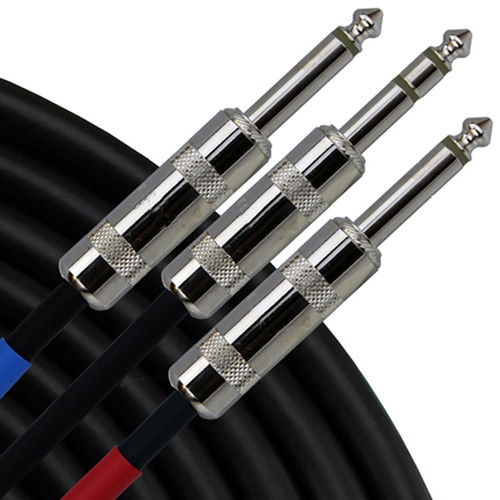
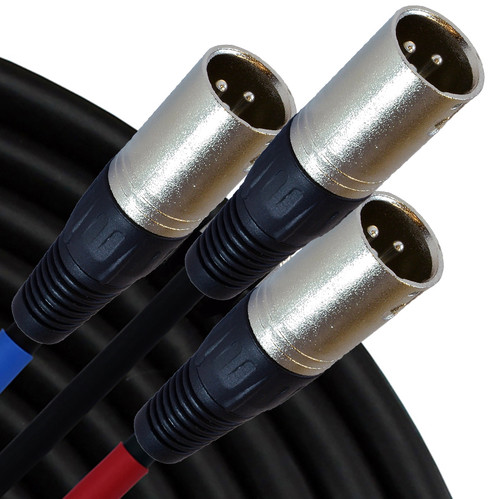






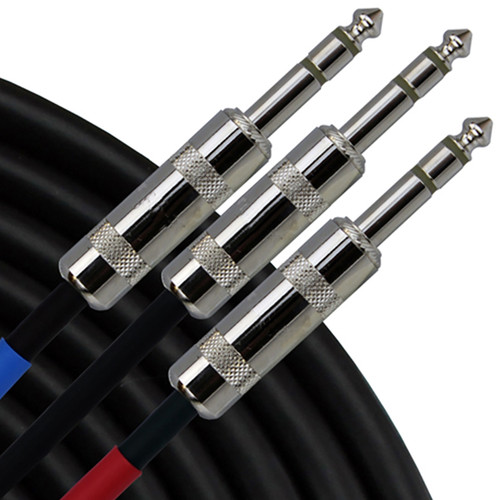
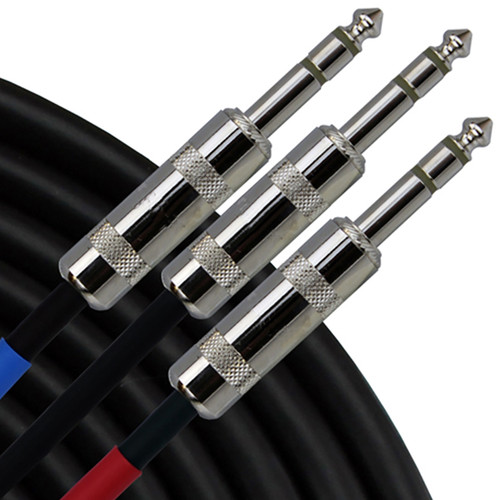


Audio Y-Cables at Front End Audio
Y-Cables solve a very specific but common studio problem: one connection needs to become two, or two signal paths need to meet a particular connector configuration. Front End Audio carries Audio Y-Cables for studio and live sound systems in a wide range of TRS, TS and XLR combinations, making it easier to adapt between mixers, interfaces, outboard equipment and other professional audio gear. Because a Y-cable can be used in several different ways depending on how it is wired and what equipment is connected, it is important to look beyond the connector shape. The signal type, direction and intended application all matter, so the right cable starts with understanding exactly what needs to happen at each end of the connection.
Choosing the Right Audio Y-Cable or Splitter Cable
The right audio Y-cable depends on whether you are splitting a connection, breaking a stereo or balanced signal into separate paths, or adapting between different connector formats. A TRS-to-dual-TS cable, for example, can be used in applications where the tip and ring of a TRS connection need to appear on separate connectors, while other Y-cables may split or combine XLR connections for a particular routing requirement. This is also why we recommend identifying the actual signal before ordering rather than simply matching plugs. TRS can represent a balanced mono connection, stereo connection or insert-style send and return depending on the equipment, and those applications are not automatically interchangeable. If the cable is being used for a dedicated hardware insert, our Insert Cables category is the better place to start.
TRS to Dual TS Y-Cables for Studio Audio Routing
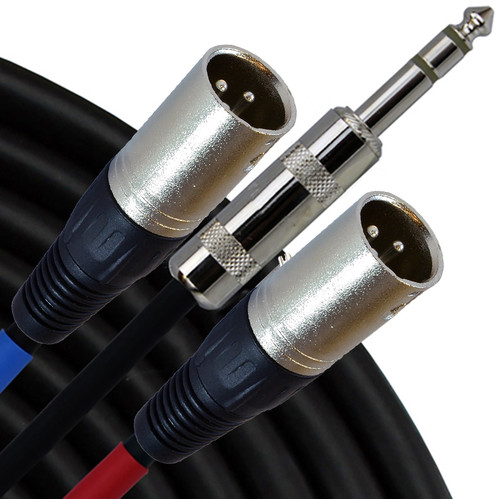
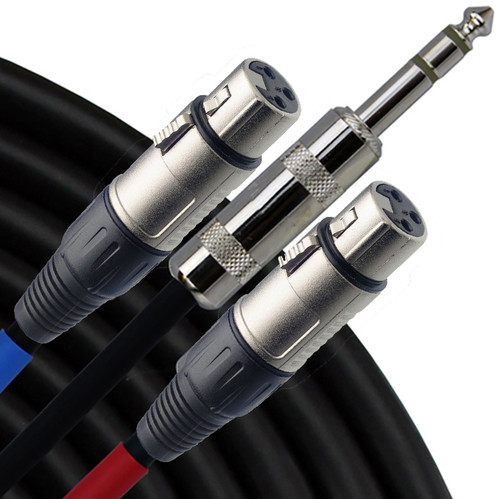
TRS-to-dual-TS Y-cables are among the most useful configurations in studio audio because they allow the separate conductors of a TRS connection to be broken out to two individual quarter-inch plugs. Depending on the equipment, that may mean separating left and right channels, accessing two discrete signal paths or handling another purpose defined by the device. The important point is that the cable itself does not determine the application—the wiring and equipment do. Before connecting one to an Audio Interface, mixer or processor, check how that particular TRS jack is configured. That simple step helps avoid the common mistake of assuming every three-conductor quarter-inch connection is carrying the same type of signal.
XLR Y-Cables for Splitting and Adapting Audio Connections
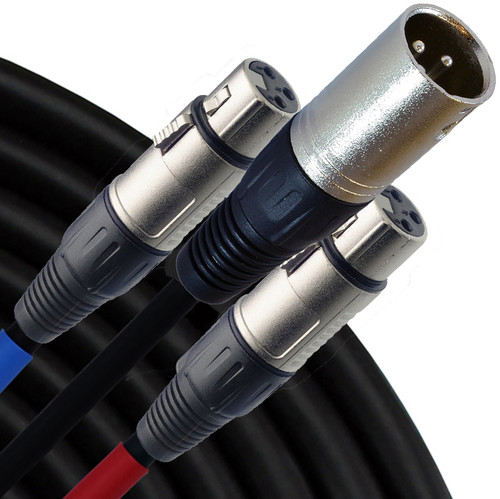
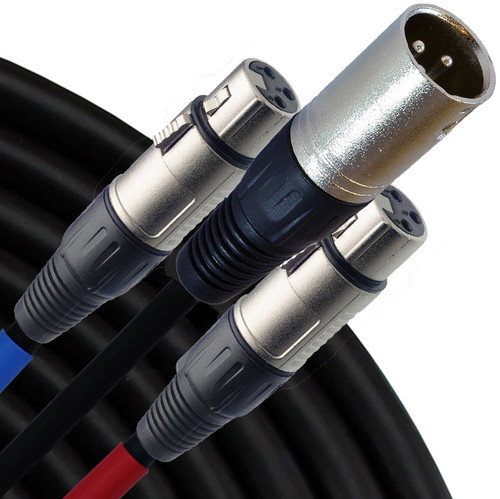
XLR Y-Cables provide another useful option when professional audio equipment needs a split or adapted XLR connection. Front End Audio's current selection includes male-to-male and male-to-female XLR Y-cable configurations in several lengths, which can accommodate a variety of studio and live-sound routing needs. RapcoHorizon dominates this category at Front End Audio, with a broad assortment of XLR, TRS and TS Y-cables rather than just one or two specialty models. As with any signal split, however, it is important to understand what the connected equipment expects. A physical Y-split is not a substitute for every type of active distribution, isolation or signal-management device, particularly when impedance, phantom power or independently controlled destinations become part of the setup.
Y-Cable vs. Insert Cable: What Is the Difference?
Y-cables and insert cables can look remarkably similar, especially when both use one TRS connector splitting into two plugs, but the intended application is what matters. A dedicated insert cable is typically used to carry a send and return between an insert jack and a piece of outboard equipment such as a Compressor or Equalizer. A general Y-cable may instead be used to separate channels, split a connection or adapt one connector arrangement to another. If you know you are wiring a mixer's insert point, choose a cable specifically suited to that send-and-return configuration. If the job is broader signal splitting or connector adaptation, a Y-cable may be exactly what you need. The connectors may look alike, but understanding the signal path is what determines the correct cable.
Getting the Right Y-Cable for Your Studio Setup
Y-cables are simple pieces of hardware, but they are also one of the easiest cable types to order incorrectly because so many connector combinations look like they should accomplish the same thing. Before buying, identify the source connection, destination connections, connector gender and whether the signal is balanced, unbalanced, stereo or being used for another specific routing function. Front End Audio carries a particularly broad range of RapcoHorizon Y-cables in multiple lengths and configurations, which makes it possible to solve many common studio and live-sound routing needs without custom wiring. If you are staring at two pieces of equipment and are not completely sure which Y-cable belongs between them, call our non-commissioned team at 888-228-4530. We would much rather help you confirm the connection before you order than have you discover afterward that the plugs fit but the signal path does not.

 Sign Up for exclusive sales and offers!