

Cables








Professional Audio Cables at Front End Audio
Cables may not be the most glamorous part of a recording studio, but nearly every signal in the room depends on one. Front End Audio carries Professional Audio Cables for microphones, preamps, compressors, equalizers, audio interfaces, converters, patchbays, studio monitors, instruments and other digital studio equipment, with options for everything from a single XLR connection to complete multichannel wiring systems. The key is not simply buying the most expensive cable available; it is choosing the correct cable type, connector format, length and construction for the job. A well-planned studio cabling system keeps connections dependable, makes troubleshooting easier and gives you enough flexibility to change the signal flow without turning the back of the rack into a permanent wiring project.
Choosing the Best Audio Cables for a Recording Studio
The best audio cables for a recording studio are the ones that match the signal, equipment and installation correctly. Balanced connections are typically used throughout professional studio systems because they are designed to reject interference over the cable run, while unbalanced connections remain common with guitars, pedals and certain instruments. Connector type matters just as much: XLR, TRS, TS, TT and DB25 connections all serve different roles depending on the equipment. Cable length is another practical consideration. You want enough room to route the cable cleanly without putting tension on connectors, but there is little advantage in having coils of unnecessary cable behind every rack. Before wiring a studio, it is worth mapping the signal paths from source to destination and selecting the cable around each connection rather than assuming one cable type will handle everything.
Microphone and XLR Cables for Professional Recording
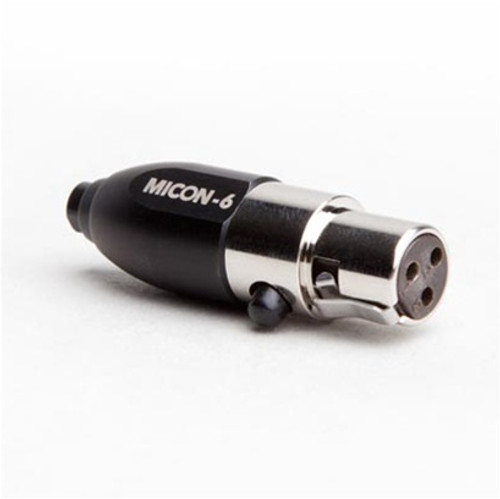
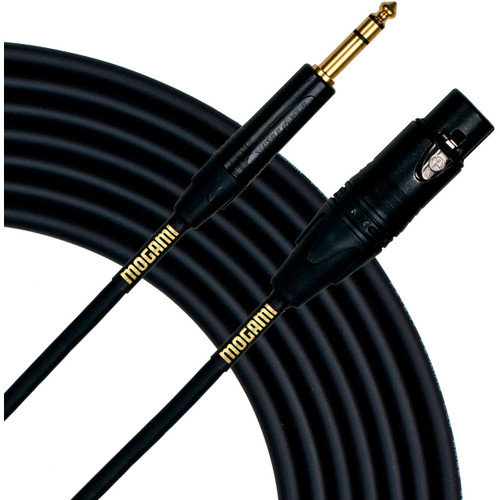
Microphone Cables are some of the hardest-working connections in the studio, carrying low-level microphone signals between microphones, preamps, stage boxes and other front-end equipment. For professional recording, dependable connectors, effective shielding, sensible flexibility and good strain relief matter because mic cables are constantly being moved, coiled, stepped around and reconfigured between sessions. Mogami is a particularly important name in this category and has become a familiar choice in professional studios, with Front End Audio carrying its Gold and Platinum studio microphone cables alongside analog interconnects, DB25 snakes and digital cabling. RapcoHorizon, Warm Audio and Colossal Cable provide additional professional options across different cable types and price points, but the goal remains the same: a reliable connection that can handle years of studio use without becoming something you have to think about every time you plug in a microphone.
DB25 Cables and Multi-Channel Snakes for Studio Wiring
Once a studio grows beyond a few individual connections, Multi-Channel Snakes can make the wiring considerably more manageable. DB25-to-DB25, DB25-to-XLR and DB25-to-TRS snakes are commonly used to move multiple analog channels between interfaces, converters, patchbays, consoles and outboard racks without running a separate cable for every input and output. They are especially useful in hybrid studios where several channels of hardware processing need to move back and forth between analog equipment and the recording system. Before ordering a DB25 cable, however, check the equipment documentation carefully; the fact that two devices use the same physical connector does not automatically mean they use the same wiring standard or signal format. Planning channel count, connector gender, cable length and routing before the installation can save a remarkable amount of frustration once everything is mounted in the rack.
Patch Cables and Interconnect Cables for Analog Studio Gear
A studio full of outboard gear needs a practical way to connect it, and that is where Interconnect Cables and Patch Cables become essential. Balanced XLR and TRS interconnects are commonly used for fixed connections between preamps, compressors, converters, monitor controllers and other line-level equipment, while shorter TRS and TT patch cables let engineers quickly change routing at the patchbay. A well-wired patch system makes it easy to put a compressor on a vocal, try a different EQ across a bus or move a piece of hardware from tracking duty to mixing without reaching behind the rack. This is one area where buying the correct lengths really pays off; sensible cable management keeps the rack easier to service and makes tracing a connection considerably faster when something needs attention during a session.
Digital Audio Cables for AES/EBU, S/PDIF and Studio Connectivity
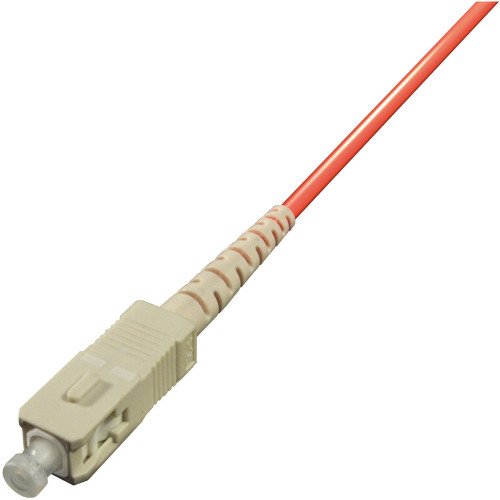
Digital connections may use familiar-looking connectors, but the cable specifications still need to match the digital format being used. Digital Cables cover professional connections used between converters, interfaces, digital processors, recorders and other studio equipment, including formats such as AES/EBU and S/PDIF where appropriate. This is another place where it is better to buy for the actual connection rather than simply use whatever cable happens to fit the jack. Connector type, impedance, cable length and the digital protocol all need to be considered together. For studios integrating several digital devices, taking a few minutes to identify each format before ordering cables can prevent compatibility problems and make the finished system much easier to troubleshoot.
Building a Clean, Reliable Studio Cabling System
The best studio cable setup usually does not come from buying everything at once. Start with the permanent connections—interfaces, converters, patchbays, monitor controllers and outboard racks—then build the flexible session cabling around microphones, instruments and temporary routing. Labeling both ends of multichannel and permanent cables can save enormous amounts of time later, and separating power wiring from audio where practical helps keep the installation organized. It is also worth leaving enough service length to move a piece of equipment without disconnecting half the rack. Whether you need one high-quality microphone cable or are wiring an entire recording room with XLR, TRS, TT and DB25 connections, Front End Audio has been helping studios put systems together since 2003. If you are not sure exactly which connector, wiring format or cable length your setup requires, call our non-commissioned team at 888-228-4530 and we can help you work through the signal path before you order.

 Sign Up for exclusive sales and offers!